Medical emergency? Call your local emergency number
First aid guides

Menu

GeoMed · Blog

Articles by GeoMed Editorial Team

Prepares educational drafts for medical review.

Filters

Articles by GeoMed Editorial Team

The Latest Breakthroughs In Cancer Treatment That Could Change Lives Forever Medical innovation & technology

The Latest Breakthroughs In Cancer Treatment That Could Change Lives Forever

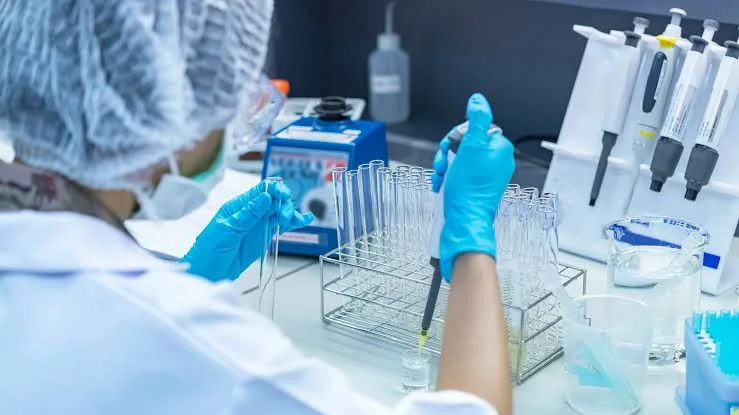
For decades, the war on cancer was fought with three primary weapons: surgery, chemotherapy, and radiation. They are effective, but brutal. The collateral damage was often immense. Today, we are witnessing a profound shift. We are moving from a strategy of indiscriminate attack to one of precise, intelligent intervention. The future is not about poisoning the enemy and hoping our body withstands it longer. The future is smarter than that. It’s happening now. I’ve been in medicine for a long time. I have never seen a period of more rapid, breathtaking innovation than right now. The breakthroughs emerging from labs and clinical trials aren't just incremental; they are fundamentally changing what a cancer diagnosis means. They are providing hope where there was little. This is the most exciting time in oncology. Let's dive into the specific advancements that are genuinely changing lives.
4 min read
How Brain Implants Are Transforming Healthcare and Medical Treatments Medical innovation & technology

How Brain Implants Are Transforming Healthcare and Medical Treatments

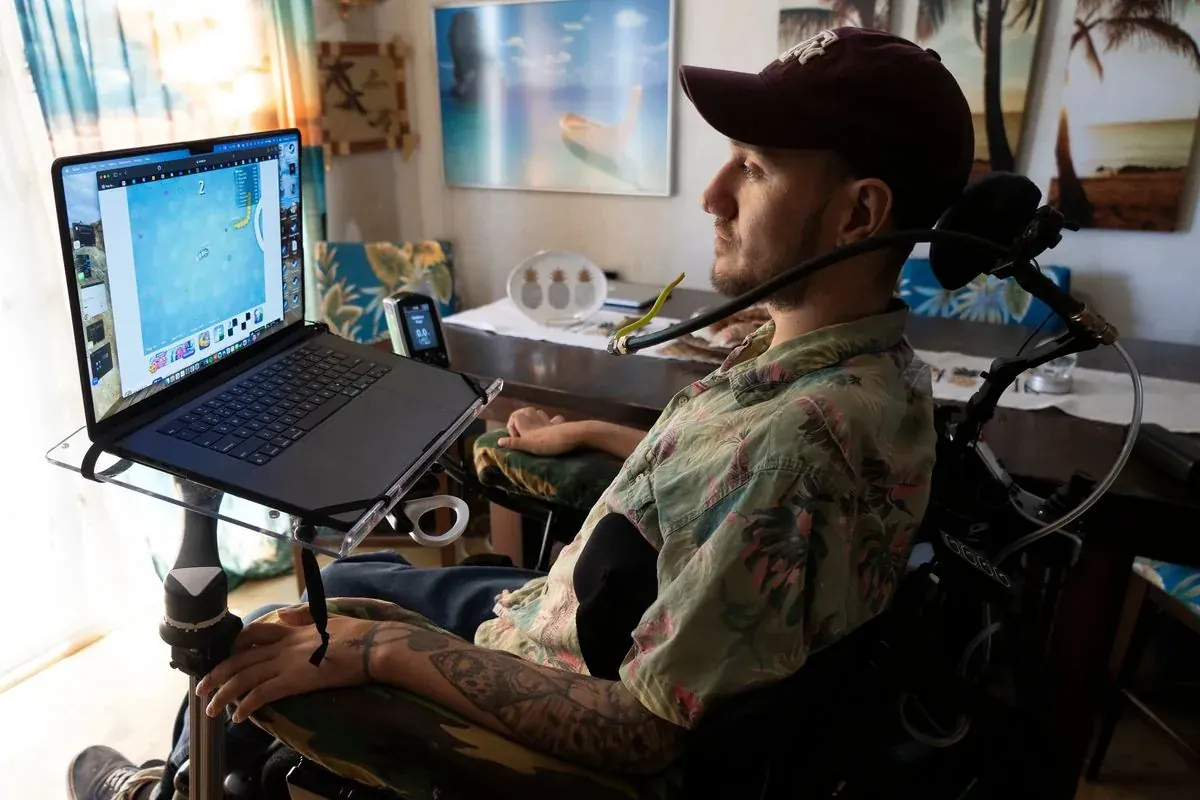
The Future Is Here And It’s in Your Brain Imagine being able to control a computer with just your thoughts. No keyboard. No mouse. Just pure brainpower. Sounds like science fiction, right? Well, it’s happening right now. In January 2024, Noland Arbaugh, a 29-year-old quadriplegic, made history. He became the first person to receive Neuralink’s brain implant, a chip that lets him control digital devices using only his mind. Within weeks, he was moving a computer cursor, playing chess, and browsing the internet. This isn't just a cool tech experiment. It's a game-changer for people with paralysis, stroke survivors, and those with neurological disorders. Brain implants could restore mobility, help people communicate, and even treat conditions like epilepsy and depression. But the road ahead is complex. Safety concerns, ethical debates, and accessibility issues still loom large. So, what does this technology mean for the future of healthcare? And more importantly what does it mean for you?

5 min read
Global Vaccine Innovations: Pioneering a Healthier Future Medical innovation & technology

Global Vaccine Innovations: Pioneering a Healthier Future

Vaccines save more than 4 million lives every year.” Think about that for a moment. They’re silent warriors, protecting us from deadly diseases we might never even know we were exposed to. But the world of vaccines is evolving at a breathtaking pace. From tackling malaria to breaking ground on HIV immunization, scientists are redefining what’s possible. The COVID-19 pandemic showed us the power of innovation, and it’s just the beginning. This is the story of how modern vaccines are changing lives, one breakthrough at a time.

3 min read
AI in Drug Design: A Game-Changer for Medicine Medical innovation & technology

AI in Drug Design: A Game-Changer for Medicine

Imagine discovering a new drug in months, not years. That’s what AI is bringing to the table in drug design, and the possibilities are immense. From predicting how molecules will interact to personalizing medicine on a genetic level, artificial intelligence is transforming the entire process of creating life-saving treatments. This isn’t just theory, it’s happening right now. And it’s not just about making the process faster or cheaper. It’s about making it smarter. Let’s dive into how AI is revolutionizing drug design, making it more efficient, targeted, and personalized than ever before.

4 min read
3D Printing in Healthcare: From Custom Prosthetics to Organ Bioprinting Medical innovation & technology

3D Printing in Healthcare: From Custom Prosthetics to Organ Bioprinting

Imagine a world where patients can receive a fully customized prosthetic in just a few hours. Or better yet, a future where a patient’s own cells are used to print an organ that perfectly matches their biological needs. Sounds futuristic? It's happening now. By 2025, the global market for 3D printing in healthcare is expected to surpass $2 billion, and we are only scratching the surface. What was once science fiction is fast becoming a tangible reality, thanks to innovations in additive manufacturing. From prosthetics tailored to a patient’s exact specifications to bioprinted tissues that could one day save lives, 3D printing is unlocking a new era in healthcare. But how far can we go? Let’s dive into the transformative power of 3D printing in medicine, exploring its current applications, the benefits it brings to both patients and practitioners, and the exciting possibilities on the horizon.

4 min read
Telemedicine 2.0: The Future of Virtual Healthcare Services Medical innovation & technology

Telemedicine 2.0: The Future of Virtual Healthcare Services

Telemedicine isn’t just a digital bridge; it’s the new front door to healthcare.” By 2028, virtual healthcare services are expected to become a $250 billion industry globally. What started as a necessity during the pandemic has now evolved into an innovation-driven system poised to transform how we access care. Gone are the days of long waits in clinics or traveling hours to see a specialist. Telemedicine 2.0 is here, powered by AI, wearables, and real-time diagnostics. It’s faster, smarter, and designed for the future. If you’re wondering what’s next for virtual healthcare, this article explores how telemedicine is evolving, its game-changing benefits, and the challenges we need to overcome to make it even better.

3 min read
Advancements in Cancer Treatment: What You Need to Know Medical innovation & technology

Advancements in Cancer Treatment: What You Need to Know

Cancer survival rates have doubled over the past 40 years, and we owe it all to groundbreaking innovations." This statement isn’t just inspiring, it’s proof of how far we’ve come in the fight against one of the world’s deadliest diseases. But what’s driving this progress? From therapies that reprogram the immune system to nanotechnologies that target cancer cells with laser-like precision, the future of cancer care is brighter than ever. Let’s dive into the advancements reshaping treatment and what they mean for patients and healthcare professionals alike.

3 min read
The Rise of Robotic Surgery: Precision Meets Innovation Medical innovation & technology

The Rise of Robotic Surgery: Precision Meets Innovation

Robotic surgery is the closest thing we have to magic in the operating room,” said Dr. Peter Kim, a pioneer in surgical technology. In 2025, this "magic" is no longer confined to science fiction. With robotic-assisted procedures increasing by 15% annually, it's clear that technology is revolutionizing how surgeons save lives. From liver resections to heart valve repairs, robots are delivering precision that was unimaginable just a decade ago. But what does this mean for you, whether you’re a healthcare professional, policymaker, or patient? Let’s dive into the game-changing innovations, practical benefits, and what the future holds for robotic surgery.

2 min read
The Rise of Personalized Medicine: Genomics and Precision Treatments Medical innovation & technology

The Rise of Personalized Medicine: Genomics and Precision Treatments

Imagine a world where your medical treatment isn’t based on averages but tailored specifically to you, your genetics, your lifestyle, your unique biology. This is no longer a distant dream; it’s the promise of personalized medicine. With advancements in genomics and precision treatments, healthcare is moving beyond the one-size-fits-all model. A staggering statistic to consider: by 2028, the global precision medicine market is projected to reach over $140 billion. This rapid growth reflects a transformation in how we diagnose, treat, and even prevent diseases. In this article, we’ll explore the cutting-edge world of personalized medicine, uncover its role in genomics, and dive into the treatments shaping the future of healthcare.

4 min read
Wearable Health Tech: From Smartwatches to Biosensors Medical innovation & technology

Wearable Health Tech: From Smartwatches to Biosensors

Imagine a device on your wrist that not only counts your steps but also detects irregular heart rhythms, tracks your sleep quality, and even warns you of rising stress levels, all in real time. That’s not futuristic, it’s today. Wearable health technology has evolved from basic fitness trackers to sophisticated tools that empower millions to take control of their health. In 2023 alone, the wearable health tech market grew by over 18%, signaling its role as a cornerstone of modern healthcare. This article explores the incredible potential of wearable health tech, from everyday smartwatches to life-saving biosensors. Whether you're a health professional or someone curious about the latest innovations, you'll walk away with actionable insights on how these tools are revolutionizing personal and professional healthcare

3 min read
Revolutionizing Diagnostics: The Role of AI in Early Disease Detection Medical innovation & technology

Revolutionizing Diagnostics: The Role of AI in Early Disease Detection

Every year, millions of lives are lost because diseases are caught too late. In fact, the World Health Organization estimates that early detection could prevent up to one-third of all cancer deaths worldwide. That’s staggering, and it’s why artificial intelligence (AI) is stepping in as a game-changer. By leveraging its ability to analyze massive datasets and spot patterns invisible to the human eye, AI is reshaping how we diagnose illnesses, often catching them in their earliest, most treatable stages.

3 min read