

The Rise of Brain Implants in Medicine
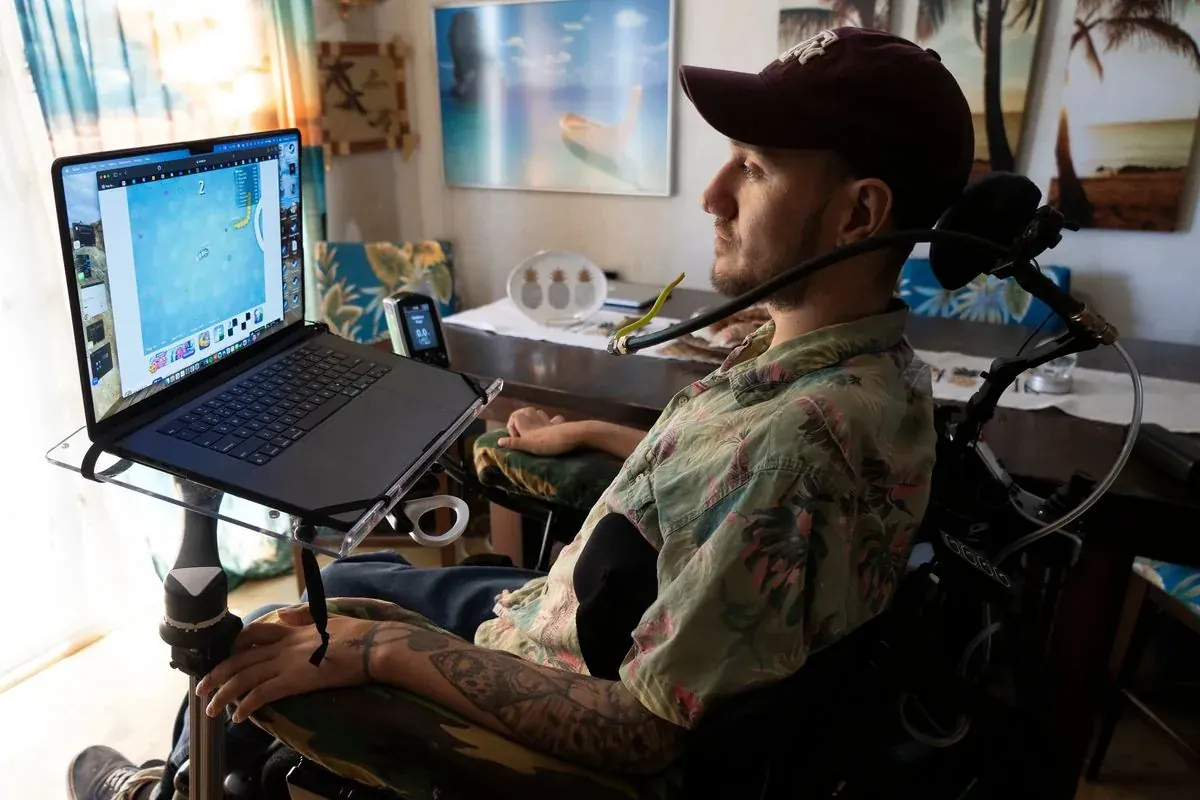
For decades, medicine has relied on external devices to help people regain lost abilities wheelchairs, prosthetic limbs, speech-generating devices. But what if the solution wasn’t outside the body, but inside the brain? Brain-computer interfaces (BCIs) are making this possible. These implants connect the brain directly to computers, allowing users to control devices with thought alone. Neuralink’s chip, for example, detects brain signals and translates them into digital commands. It’s like a wireless bridge between the brain and technology. The potential here is massive. For patients with spinal cord injuries, ALS, or neurological disorders, BCIs could restore lost functions in ways never before imagined.
How Do Brain Implants Work?
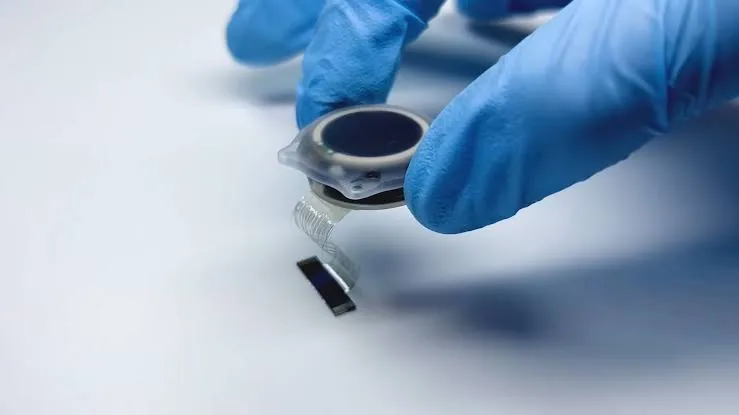
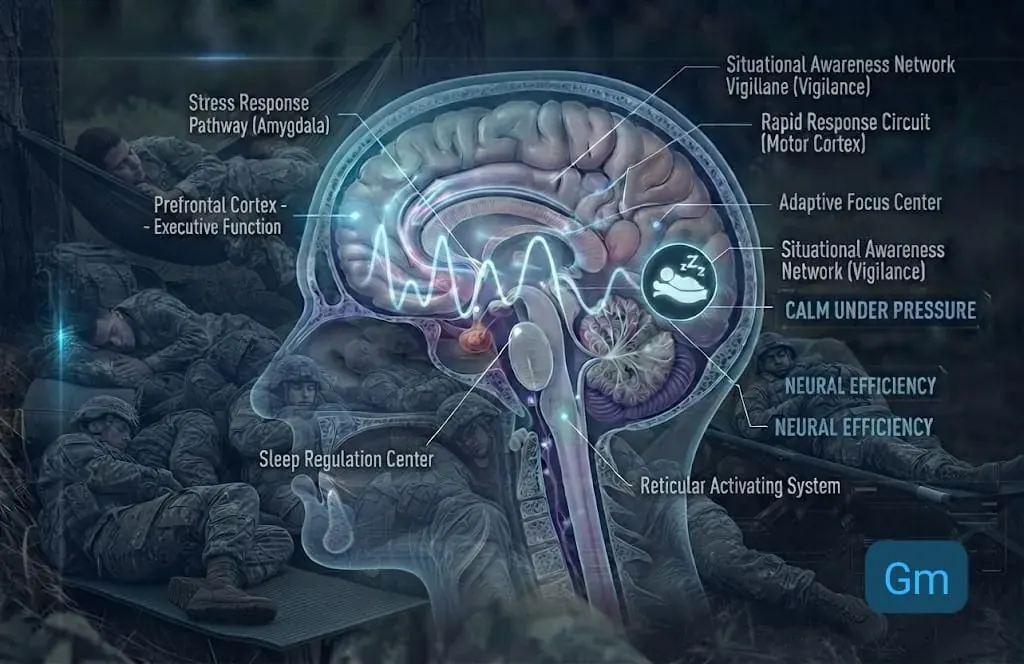
At their core, brain implants act as interpreters between neurons and machines. The Neuralink chip, called the N1, is implanted in the motor cortex the part of the brain that controls movement. Tiny electrodes pick up neural signals and send them wirelessly to an external device. Think of it as Bluetooth for your brain. Instead of clicking a mouse or typing on a keyboard, you just think about moving the cursor, and the chip does the rest. No wires. No manual input. Just thought-powered control.
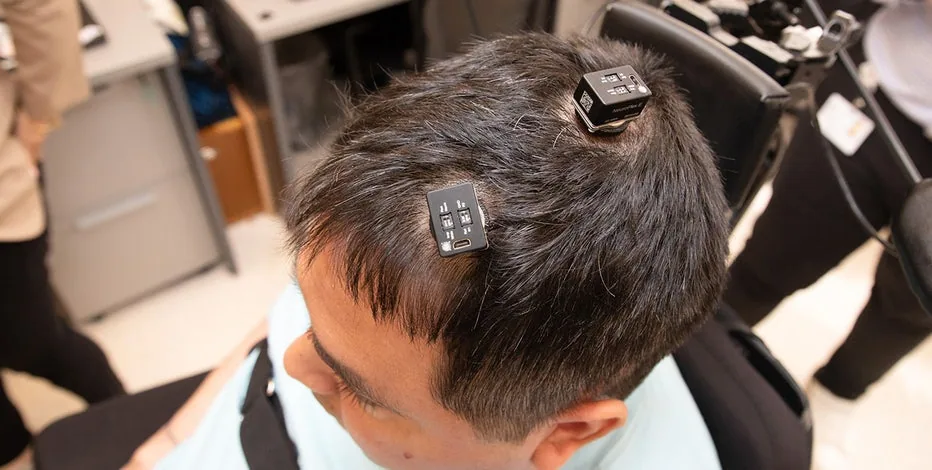
Right now, this technology is in its early stages. But researchers are working on expanding its applications far beyond cursor movement. The goal? To restore lost abilities, enhance human capabilities, and even unlock new ways to interact with the world.
The Medical Potential of BCIs
1. Restoring Mobility for Paralyzed Patients
For people with spinal cord injuries, regaining movement is often impossible. But what if the brain could bypass the damaged nerves and control a prosthetic limb instead? That’s exactly what researchers are working on. BCIs can already control robotic arms, and future versions could help people with paralysis move again by directly stimulating muscles. Instead of waiting for nerve regeneration which might never happen patients could use brain implants to restore movement in real time.
2. Helping Stroke and ALS Patients Communicate
Losing the ability to speak is devastating. But brain implants could change that. For patients with ALS or severe strokes, BCIs can translate brain signals into text or speech. Imagine a person who can no longer talk due to neurological damage now, they could "speak" through a digital interface that reads their brain activity. This isn't a distant dream. Companies are already testing BCIs that let patients type words on a screen just by thinking about them. With more refinement, this could become a life-changing tool for millions.
3. Treating Neurological Disorders
Epilepsy. Parkinson’s. Depression. These conditions often involve abnormal brain activity, and current treatments like medication don't always work. Brain implants could offer a more targeted approach. Instead of flooding the brain with chemicals, a BCI could directly stimulate or suppress specific areas to regulate brain function. Imagine an implant that detects the early signs of a seizure and stops it before it starts. That’s the kind of future we’re looking at.
4. Controlling Smart Devices with the Mind
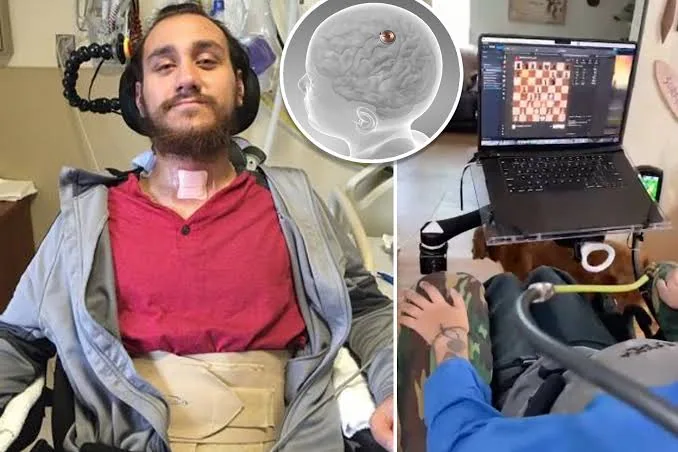
Beyond medicine, BCIs could redefine how we interact with technology. Think about turning on the lights, adjusting your thermostat, or sending a text, just by thinking about it. For people with disabilities, this could mean full independence without needing assistive devices. But even for the general population, this could change the way we use technology forever.
Challenges and Ethical Concerns
1. Safety and Long-Term Effects
Brain surgery isn’t a casual procedure. Even with advanced technology, implanting a device in the brain carries risks. Infection, rejection, and long-term effects are all major concerns. Plus, what happens if the implant malfunctions? Can it be removed safely? These questions still need answers.
2. Privacy and Security Risks
Here’s a chilling thought: if your brain signals can be read, could they also be hacked? Neural data is deeply personal. If BCIs become widespread, ensuring security will be crucial. Imagine a future where companies collect and analyze brain activity like they do with internet browsing habits. Without strict regulations, this could become a major ethical minefield.
3. Accessibility and Cost
Cutting-edge medical technology is often expensive. If BCIs become a privilege only for the wealthy, it could deepen existing healthcare inequalities. The challenge will be making this technology affordable and accessible to those who need it most.
A Future Where Mind and Machine Work Together
Despite the challenges, one thing is clear: brain implants are here to stay. Whether it’s restoring mobility, helping people communicate, or treating neurological conditions, BCIs have the potential to revolutionize healthcare. The idea of controlling technology with thought alone once seemed impossible. Today, it’s a reality. The big question is how far will we take it? Will we stop at medical applications, or will we push the boundaries of human capability? Could brain implants one day enhance memory, boost intelligence, or even allow direct brain-to-brain communication? The future of BCIs is both exciting and uncertain. But one thing is certain: we are entering a new era of medicine. And it’s only just beginning.
Final Thought: The Mind’s True Power
Right now, brain implants are changing lives in ways we never thought possible. A paralyzed man moves a cursor with his thoughts. A stroke survivor regains communication. A future where brain disorders are treatable at their source is within reach. This isn’t just a medical breakthrough it’s a shift in what we believe is possible. The human brain, the most complex organ in existence, is now connecting directly to technology. And if history has taught us anything, it’s that once we open a door like this, there’s no going back.

Comments (0)
Be the first to comment on this article!
Share your thoughts and start the discussion.