Medical emergency? Call your local emergency number
First aid guides

Menu

Wearable Health Tech: From Smartwatches to Biosensors

Wearable Health Tech: From Smartwatches to Biosensors Medical innovation & technology 3 min read
Not yet medically reviewed. This page has not been checked by a qualified medical reviewer. Use it for general education only and confirm anything important with a healthcare professional. Written by GeoMed Editorial Team. Last updated 24 October 2026.

Imagine a device on your wrist that not only counts your steps but also detects irregular heart rhythms, tracks your sleep quality, and even warns you of rising stress levels, all in real time. That’s not futuristic, it’s today. Wearable health technology has evolved from basic fitness trackers to sophisticated tools that empower millions to take control of their health. In 2023 alone, the wearable health tech market grew by over 18%, signaling its role as a cornerstone of modern healthcare. This article explores the incredible potential of wearable health tech, from everyday smartwatches to life-saving biosensors. Whether you're a health professional or someone curious about the latest innovations, you'll walk away with actionable insights on how these tools are revolutionizing personal and professional healthcare

1. The Evolution of Wearable Health Tech

Wearable health technology started simple. Early devices focused on tracking steps and calorie counts. Fast-forward to today, and these devices have transformed into mini health hubs strapped to your wrist or clipped to your clothing.

Milestone Devices: Fitbit pioneered the fitness tracker wave, while Apple Watch redefined the market by adding features like ECG monitoring and blood oxygen tracking.

Current Landscape: Modern wearables can measure everything from stress levels to sleep apnea, bridging the gap between daily wellness and medical diagnostics.

Takeaway: The evolution of wearables reflects a shift from fitness-focused gadgets to comprehensive health monitoring tools.

2. Types of Wearable Health Tech

1. Smartwatches
Wearable Health Tech: From Smartwatches to Biosensors

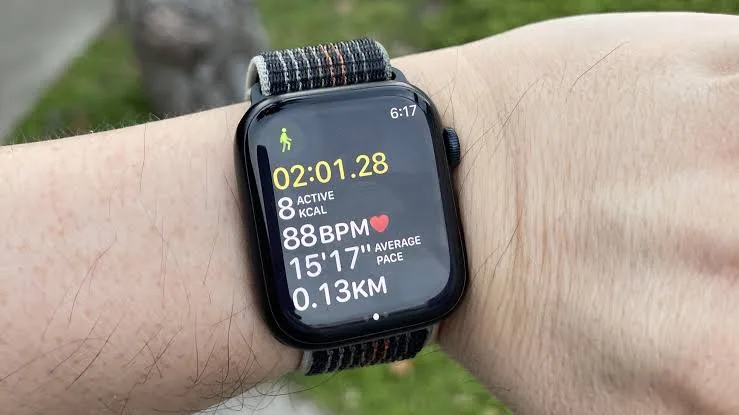
What They Do: Measure heart rate, track steps, monitor sleep, and even detect falls.

Example: The Apple Watch Series 8 offers advanced features like temperature sensing and cycle tracking for women’s health.

2. Fitness Trackers
Wearable Health Tech: From Smartwatches to Biosensors

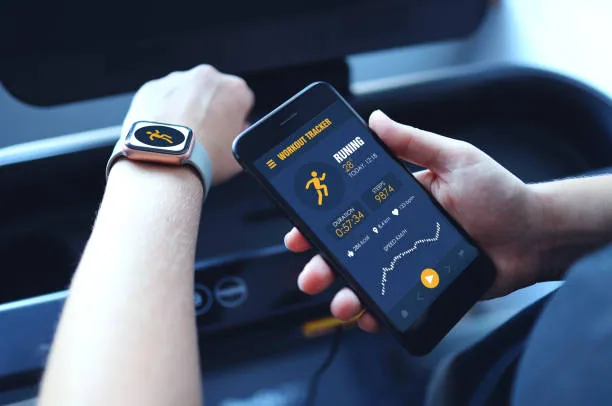
What They Do: Focused on activity, these devices provide insights into movement, calorie burn, and general fitness goals.

Example: Fitbit Inspire 3 includes stress management tools and detailed sleep tracking.

Biosensors

What They Do: Non-invasive devices that monitor specific health metrics such as glucose levels or hydration.

Example: Abbott’s Free Style Libre allows diabetics to track glucose levels without finger pricks.
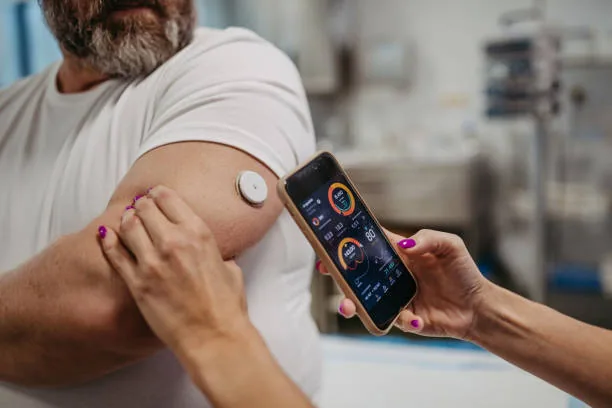
Wearable Health Tech: From Smartwatches to Biosensors

3. Wearable ECG Monitors

What They Do: Provide on-demand ECG readings, identifying conditions like atrial fibrillation.

Example: The Withings Move ECG is a hybrid watch combining traditional aesthetics with medical-grade ECG functionality.
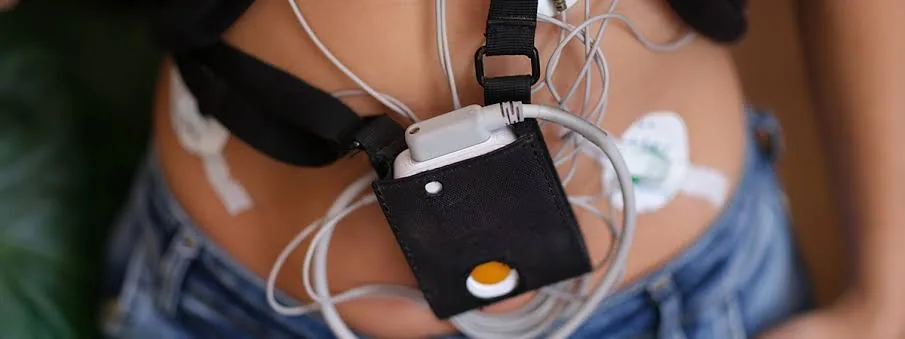
Wearable Health Tech: From Smartwatches to Biosensors

3. Benefits of Wearable Health Tech

  • Improved Health Awareness
  • Wearables provide real-time feedback, encouraging users to make healthier choices.
  • Actionable Insight: Set daily goals for steps, sleep, and stress management to stay accountable.
  • Early Detection
  • Devices equipped with advanced sensors can detect irregularities before symptoms develop.
  • Example: Smartwatches that identify atrial fibrillation have prompted users to seek medical attention, preventing strokes.
  • Remote Patient Monitoring
  • For healthcare providers, wearables enable continuous monitoring of patients with chronic conditions.
  • Impact: Reduced hospital visits and timely interventions, especially for elderly patients or those in rural areas.

4. Challenges in Wearable Health Tech

  • Data Accuracy
  • Not all wearables deliver medical-grade accuracy, particularly during intense physical activity.
  • Tip: Use clinically validated devices if you need precise data for health management.
  • Privacy Concerns
  • Wearables collect sensitive health information, making them a potential target for data breaches.
  • Tip: Opt for devices with strong encryption and transparent data-sharing policies.
  • Accessibility and Cost
  • High-end wearables can be prohibitively expensive for some.

Tip: Explore budget-friendly options or insurance plans that offer discounts on wearables.

5. The Future of Wearable Health Tech

  • AI-Driven Insights
  • Future wearables will analyze your data using AI to provide hyper-personalized recommendations.
  • Example: Predictive analytics may soon warn users of potential heart attacks or diabetes risks days in advance.
  • Non-Invasive Diagnostics
  • Innovations will include wearable devices capable of monitoring blood pressure, hydration, or even early cancer markers.
  • Integration with Healthcare Systems
  • Wearables will seamlessly integrate with electronic health records, giving doctors a 24/7 view of their patients' health.

Conclusion

Wearable health tech is more than a gadget, it’s a revolution in healthcare. Whether you’re tracking daily steps or monitoring chronic conditions, these devices are empowering individuals to take control of their health and enabling healthcare professionals to provide more personalized care.

The future is bright, with innovations that promise better accuracy, accessibility, and integration with traditional healthcare. So, whether you’re wearing a smartwatch, a fitness tracker, or a cutting-edge biosensor, you’re part of a movement that’s transforming health, one wearable at a time.
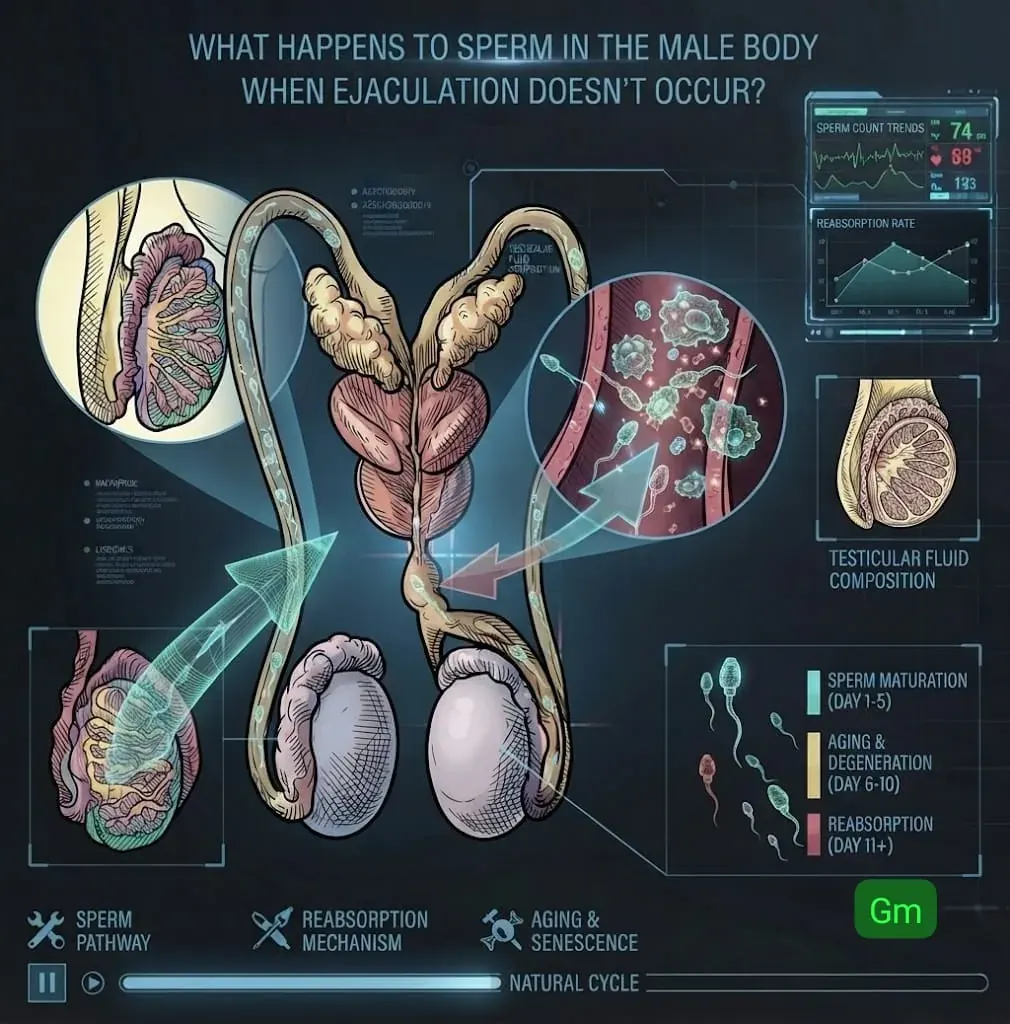

Image credits

  • Heading image: GeoMed

Comments (0)

Be the first to comment on this article!

Share your thoughts and start the discussion.

Leave a comment

Comments are public and reviewed by a moderator before they appear. Please don’t share personal medical details, as we can’t give individual medical advice in comments. Comments are not reviewed medical content.

By commenting you agree to our terms of use and comment policy. See our privacy policy for how we handle your data.

More articles

View all
What Happens to Sperm in the Male Body When Ejaculation Doesn’t Occur? Sexual & reproductive health

What Happens to Sperm in the Male Body When Ejaculation Doesn’t Occur?

Every day, the male body produces millions of sperm. Millions! But what happens when you don’t release them through ejaculation? Many men assume sperm just “sits there” or loses potency. The truth is far more fascinating. Your body is smarter than you think. It manages sperm, recycles it, and keeps your reproductive system running smoothly even during long periods of abstinence. By the end of this article, you’ll understand exactly how your body handles unreleased sperm, what it means for your health, and why this natural process is completely safe.

2 min read
Natural Penis Growth What Most Men Never Learn Sexual & reproductive health

Natural Penis Growth What Most Men Never Learn

More than 60 percent of men report concerns or questions about their penis size at some point in their lives. That number is huge. It tells me one thing very clearly. Curiosity about natural penis growth is normal. Most information available is vague or exaggerated. The truth is simple. Penis growth is guided by biology. Quietly. Gradually. Predictably. Understanding what drives growth lets you stop chasing myths and start supporting your body.

3 min read
How Long Should Sex Last in Bed? The Truth Nobody Talks About Sexual & reproductive health

How Long Should Sex Last in Bed? The Truth Nobody Talks About

“Most men last less than seven minutes during intercourse.” That number might shock you but here’s the real kicker: satisfaction doesn’t follow a stopwatch. One quick statistic doesn’t define pleasure. Connection, control, and technique do. I’ve worked with couples and individuals who stress over duration and it’s usually unnecessary. But the mistakes people make? Those are real and they cost intimacy.

3 min read
How Soldiers Fall Asleep Fast Even in Chaos and How You Can Too Healthy living & wellness

How Soldiers Fall Asleep Fast Even in Chaos and How You Can Too

96 percent success rate. That's the number that made this military sleep technique go viral. But here's what most people don't know: this method wasn't designed for your cozy bedroom with blackout curtains and white noise machines. It was developed for fighter pilots who needed to sleep sitting upright, surrounded by engine roar and the stress of imminent combat missions. I've spent years studying sleep medicine, and I'll tell you straight most sleep advice is garbage. We're drowning in melatonin gummies, expensive mattresses, and apps that promise to "hack" your circadian rhythm. Meanwhile, the U.S. military figured out decades ago that falling asleep isn't about perfect conditions. It's about training your nervous system to shut down on command, even when everything around you is screaming danger.

8 min read