Medical emergency? Call your local emergency number
First aid guides

Menu

Revolutionizing Diagnostics: The Role of AI in Early Disease Detection

Revolutionizing Diagnostics: The Role of AI in Early Disease Detection Medical innovation & technology 3 min read
Not yet medically reviewed. This page has not been checked by a qualified medical reviewer. Use it for general education only and confirm anything important with a healthcare professional. Written by GeoMed Editorial Team. Last updated 24 October 2026.

Every year, millions of lives are lost because diseases are caught too late. In fact, the World Health Organization estimates that early detection could prevent up to one-third of all cancer deaths worldwide. That’s staggering, and it’s why artificial intelligence (AI) is stepping in as a game-changer. By leveraging its ability to analyze massive datasets and spot patterns invisible to the human eye, AI is reshaping how we diagnose illnesses, often catching them in their earliest, most treatable stages.

1. The Power of AI in Spotting the Unseen

AI excels where humans are limited, sifting through billions of data points to identify patterns. In diagnostics, this means spotting subtle changes that even the most trained eyes might miss.

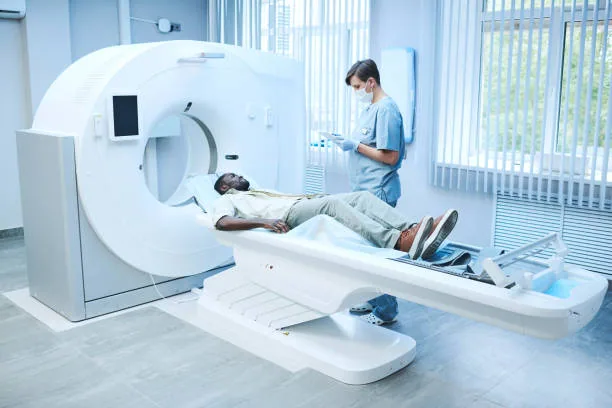
Example: AI in radiology can detect early-stage lung cancer from CT scans, sometimes identifying signs months before traditional methods.

Actionable Insight: Hospitals adopting AI tools for diagnostics have seen error rates drop by up to 30%, improving patient outcomes.

2. Early Detection Saves Lives

Chronic diseases like diabetes, heart disease, and cancer are the leading causes of death globally. Early diagnosis is critical, and AI is proving to be a vital ally.

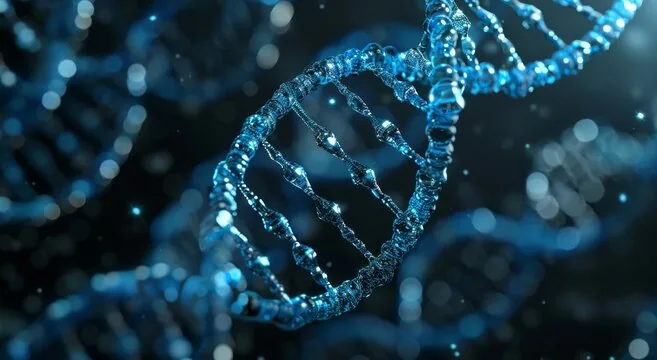
Specific Use Case: AI algorithms like IBM Watson Health can analyze patient histories, genetics, and lab results to predict the onset of diseases like diabetes years in advance.
Revolutionizing Diagnostics: The Role of AI in Early Disease Detection

Impact: Early intervention not only improves survival rates but also drastically reduces treatment costs.

3. AI and Cancer Detection: A Match Made in Medicine

Cancer diagnosis is one of the most promising areas for AI. From breast cancer to skin cancer, AI tools are enhancing precision.
Revolutionizing Diagnostics: The Role of AI in Early Disease Detection

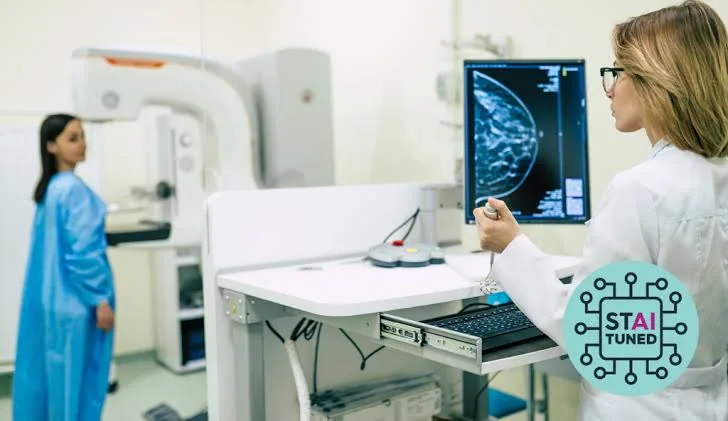
Real-World Example: Google's DeepMind has developed an AI model that outperforms human radiologists in detecting breast cancer on mammograms.

What This Means for Patients: Reduced false positives and quicker diagnoses, sparing patients unnecessary procedures and emotional stress.

4. Expanding Healthcare Access with AI

AI is democratizing diagnostics, making advanced healthcare accessible even in remote or underserved areas.

Telehealth Integration: AI-powered chatbots and virtual assistants can analyze symptoms and recommend next steps, providing immediate support for patients who might otherwise lack access to care.

Revolutionizing Diagnostics: The Role of AI in Early Disease Detection

Portable Devices: AI-enhanced portable ultrasound machines allow rural healthcare workers to diagnose conditions without expensive infrastructure.

5. The Challenges of AI in Diagnostics

Despite its potential, AI in healthcare isn’t without hurdles.

  • Data Privacy Concerns: AI systems need vast amounts of data to learn, raising questions about patient confidentiality and data security.
  • Algorithm Bias: If trained on skewed datasets, AI can inadvertently perpetuate healthcare inequalities.
  • Regulatory Hurdles: Ensuring AI tools meet safety and accuracy standards is critical before widespread adoption.
  • Actionable Insight: Healthcare providers must prioritize transparency and ethical AI practices, partnering with tech developers to address these challenges.

6. The Future of AI in Diagnostics

Revolutionizing Diagnostics: The Role of AI in Early Disease Detection

The potential of AI in diagnostics is only beginning to unfold. Here’s what’s on the horizon:

Predictive Health Analytics: AI will soon predict diseases before symptoms appear, using wearable data and genetic information.

Real-Time Monitoring: Smart devices like wearables will work with AI to provide continuous health updates, flagging concerns immediately.

Personalized Medicine: Combining AI insights with genetic profiles will enable treatments tailored to individual patients, improving efficacy.

Conclusion

AI is transforming diagnostics from reactive to proactive, enabling healthcare professionals to detect diseases earlier, more accurately, and with greater accessibility. While challenges like data privacy and algorithm bias remain, the benefits far outweigh the risks.

For patients, this means quicker diagnoses, better outcomes, and ultimately, more lives saved. For healthcare professionals, AI is an indispensable tool, augmenting, not replacing, their expertise.
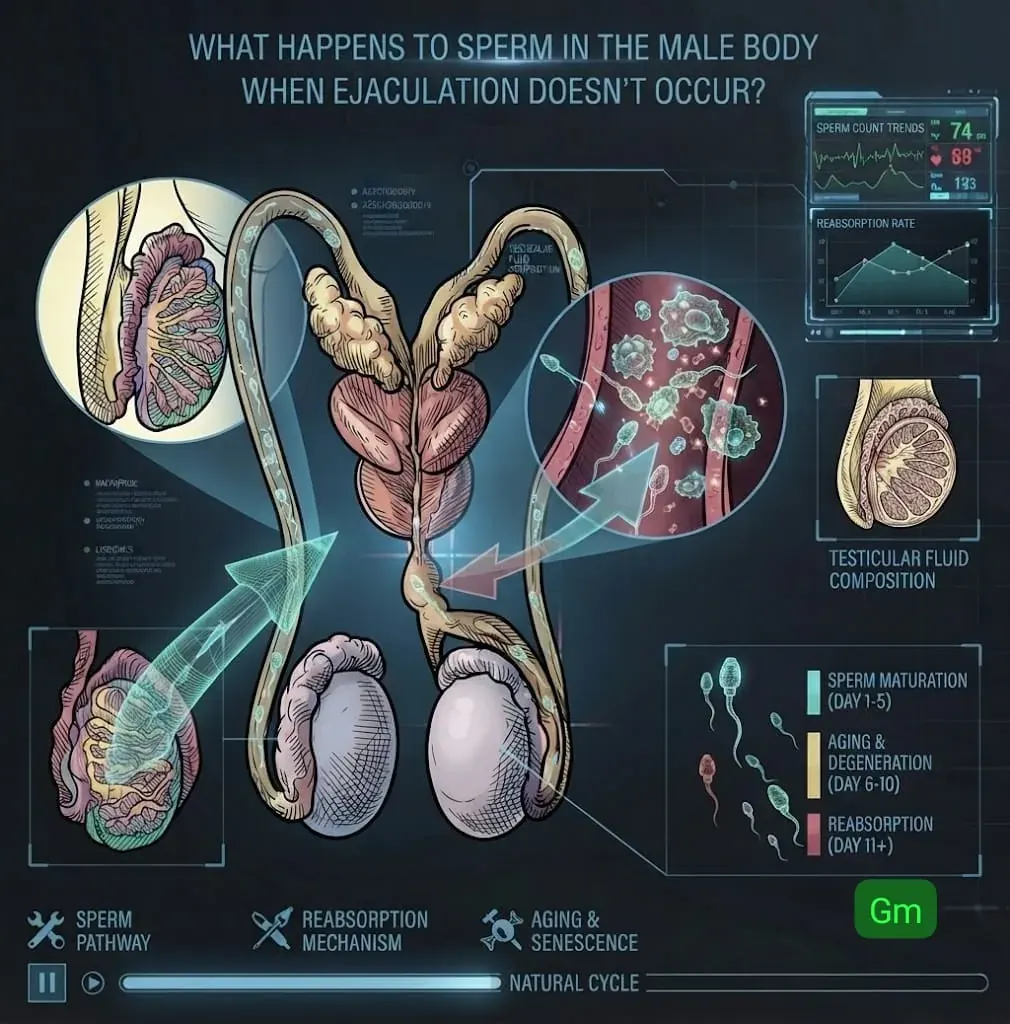
Image credits

  • Heading image: GeoMed

Comments (0)

Be the first to comment on this article!

Share your thoughts and start the discussion.

Leave a comment

Comments are public and reviewed by a moderator before they appear. Please don’t share personal medical details, as we can’t give individual medical advice in comments. Comments are not reviewed medical content.

By commenting you agree to our terms of use and comment policy. See our privacy policy for how we handle your data.

More articles

View all
What Happens to Sperm in the Male Body When Ejaculation Doesn’t Occur? Sexual & reproductive health

What Happens to Sperm in the Male Body When Ejaculation Doesn’t Occur?

Every day, the male body produces millions of sperm. Millions! But what happens when you don’t release them through ejaculation? Many men assume sperm just “sits there” or loses potency. The truth is far more fascinating. Your body is smarter than you think. It manages sperm, recycles it, and keeps your reproductive system running smoothly even during long periods of abstinence. By the end of this article, you’ll understand exactly how your body handles unreleased sperm, what it means for your health, and why this natural process is completely safe.

2 min read
Natural Penis Growth What Most Men Never Learn Sexual & reproductive health

Natural Penis Growth What Most Men Never Learn

More than 60 percent of men report concerns or questions about their penis size at some point in their lives. That number is huge. It tells me one thing very clearly. Curiosity about natural penis growth is normal. Most information available is vague or exaggerated. The truth is simple. Penis growth is guided by biology. Quietly. Gradually. Predictably. Understanding what drives growth lets you stop chasing myths and start supporting your body.

3 min read
How Long Should Sex Last in Bed? The Truth Nobody Talks About Sexual & reproductive health

How Long Should Sex Last in Bed? The Truth Nobody Talks About

“Most men last less than seven minutes during intercourse.” That number might shock you but here’s the real kicker: satisfaction doesn’t follow a stopwatch. One quick statistic doesn’t define pleasure. Connection, control, and technique do. I’ve worked with couples and individuals who stress over duration and it’s usually unnecessary. But the mistakes people make? Those are real and they cost intimacy.

3 min read
How Soldiers Fall Asleep Fast Even in Chaos and How You Can Too Healthy living & wellness

How Soldiers Fall Asleep Fast Even in Chaos and How You Can Too

96 percent success rate. That's the number that made this military sleep technique go viral. But here's what most people don't know: this method wasn't designed for your cozy bedroom with blackout curtains and white noise machines. It was developed for fighter pilots who needed to sleep sitting upright, surrounded by engine roar and the stress of imminent combat missions. I've spent years studying sleep medicine, and I'll tell you straight most sleep advice is garbage. We're drowning in melatonin gummies, expensive mattresses, and apps that promise to "hack" your circadian rhythm. Meanwhile, the U.S. military figured out decades ago that falling asleep isn't about perfect conditions. It's about training your nervous system to shut down on command, even when everything around you is screaming danger.

8 min read