Medical emergency? Call your local emergency number
First aid guides

Menu

GeoMed · Laboratory tests

Laboratory tests

What common laboratory and diagnostic tests measure, why they are ordered, how to prepare, and what results may mean. Results always need interpretation by a healthcare professional.

Filters

Featured & latest laboratory tests

View all (19)
Radiopharmaceuticals: A Modern Tool in Diagnosis and Therapy Imaging & scans

Radiopharmaceuticals: A Modern Tool in Diagnosis and Therapy

Radiopharmaceuticals are specialized medicinal preparations that contain a radioactive isotope and play a vital role in the field of nuclear medicine. Unlike traditional medications, their action is based not only on pharmacological effects but also on the radiation emitted by the radionuclide they carry. These agents are designed to precisely target specific organs or tissues, providing clinicians with accurate diagnostic information or delivering focused therapeutic radiation.
2 min read
Stool Tests: What Your Gut Can Reveal About Your Health Stool tests

Stool Tests: What Your Gut Can Reveal About Your Health

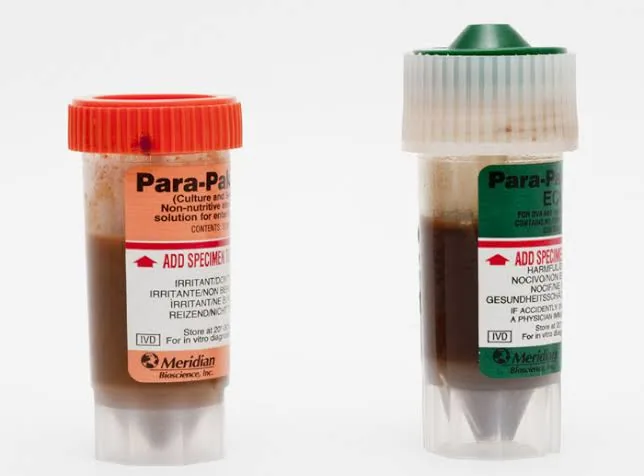
Let’s be honest no one likes talking about poop. But the truth is, your stool can tell you a lot about what’s going on inside your body. A simple stool test can uncover parasites, harmful bacteria, hidden blood, and even early signs of colon cancer. If you've been dealing with persistent stomach issues, unexplained weight loss, or changes in your digestion, your doctor may recommend a stool test. It’s a quick, non-invasive way to check for underlying health problems. Let’s break down what these tests look for, how they work, and when you might need one.

3 min read
What Your Pee Says About Your Health (And Why You Should Listen) Urine tests

What Your Pee Says About Your Health (And Why You Should Listen)

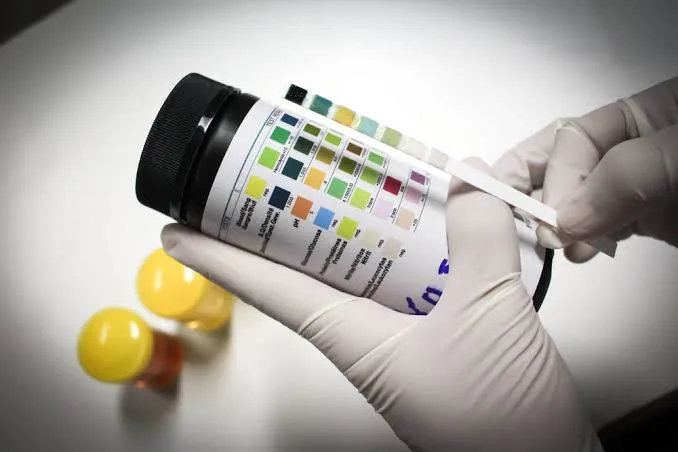
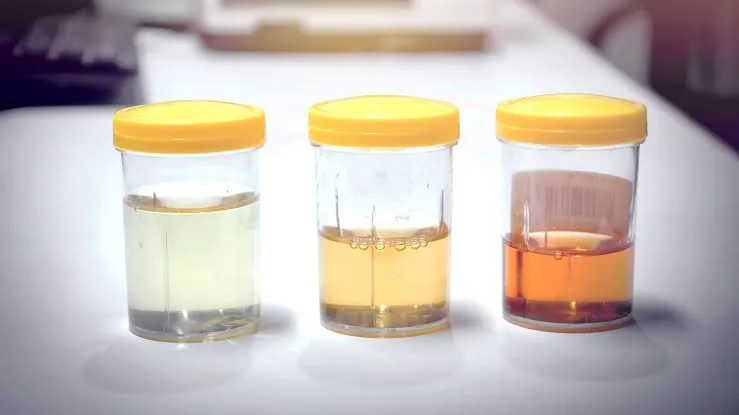
Ever handed over a urine sample at the doctor’s office and wondered, What exactly are they looking for? It might seem like a routine test, but your pee holds valuable clues about your health. In fact, a simple urinalysis can detect kidney disease, diabetes, infections, and even signs of dehydration, sometimes before you notice any symptoms. The best part? It’s quick, painless, and can give you answers faster than most lab tests. Let’s break down what urinalysis is, what it can tell you, and when you should pay extra attention to your results.

3 min read
Frequently Asked Questions About Mammograms Imaging & scans

Frequently Asked Questions About Mammograms

Mammograms are one of the best ways to catch breast cancer early, often before you notice any symptoms. If you’re wondering how they work or what to expect, here’s what you need to know.

3 min read

Blood tests

View all (8)
Basic Metabolic Panel (BMP): The Test That Tells You More Than You Thinking Blood tests

Basic Metabolic Panel (BMP): The Test That Tells You More Than You Thinking

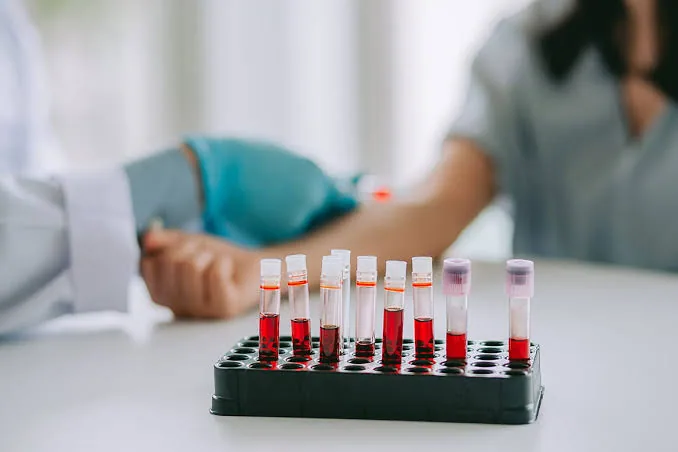
Your blood holds secrets. A Basic Metabolic Panel (BMP) can unlock them. This simple blood test checks electrolytes, kidney function, and blood sugar levels, things your body relies on every second. It’s a routine test, but the insights it provides are far from ordinary. Imagine this: You feel fatigued, dizzy, or just "off." Your doctor orders a BMP. The results could reveal dehydration, diabetes, kidney issues, or an electrolyte imbalance, problems that, if caught early, can be managed before they turn serious.

3 min read
Hematology Blood tests

Complete Blood Count (CBC): A Deep Dive Into One of Medicine’s Most Essential Tests

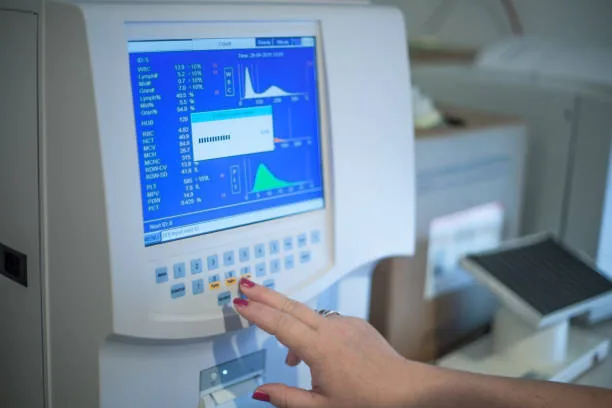
Blood tells a story. It carries oxygen, fights infections, and transports nutrients, all while quietly revealing the state of your health. One of the most common and insightful tests doctors use is the Complete Blood Count (CBC). Whether you’re a healthcare professional analyzing lab results or a patient trying to understand your report, knowing what a CBC measures and how to interpret it is crucial. A single CBC test can flag anemia, infections, clotting disorders, and even early signs of more serious conditions. But here’s the thing, numbers on a report only tell part of the story. Context matters.

3 min read
Complete Blood Count (CBC): The Silent Guardian of Your Health Blood tests

Complete Blood Count (CBC): The Silent Guardian of Your Health

Imagine this: a single test that can help identify everything from anemia to infections, and even provide clues about your immune system or risk for chronic diseases. That’s exactly what the Complete Blood Count (CBC) can do. In fact, it’s one of the most commonly ordered tests, offering an insightful snapshot of your health with just a small blood sample. But how much do you really know about what it measures and why it matters? Let's break it down. You’ll see just how much a CBC can reveal about your body’s inner workings, and why you should take it seriously!

5 min read
Lipid Panel (Cholesterol Test): What Your Numbers Really Mean Blood tests

Lipid Panel (Cholesterol Test): What Your Numbers Really Mean

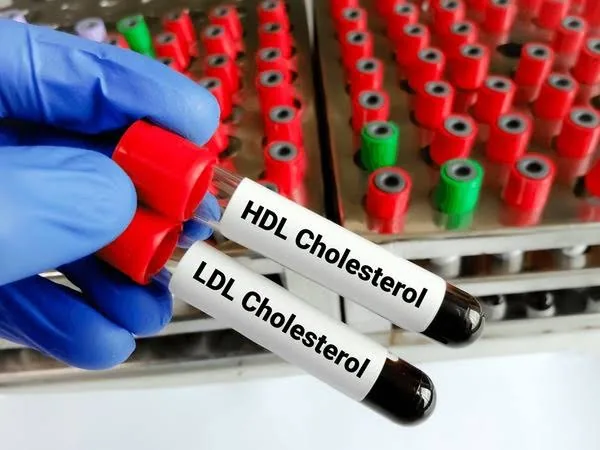
Heart disease is the leading cause of death worldwide. But here’s the good news, nearly 80% of heart disease cases are preventable with the right lifestyle changes. One of the simplest, most effective ways to assess your risk? A lipid panel. This isn’t just another routine test. Your cholesterol numbers tell a story. They reveal whether your arteries are on the path to health, or heading toward trouble. And yet, so many people get their results, glance at the numbers, and move on. Big mistake. Understanding your lipid panel could be the difference between early intervention and a life-altering cardiac event. Let’s break it down, clearly, practically, and without the fluff.

4 min read

General diagnostics

View all (1)
Understanding Blood Oxygen Levels: What You Need to Know General diagnostics

Understanding Blood Oxygen Levels: What You Need to Know

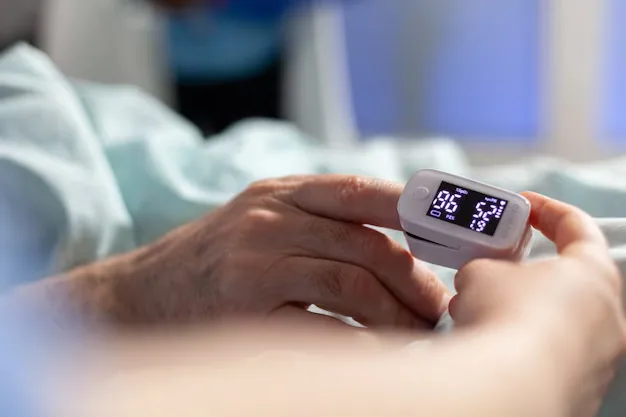
Blood oxygen levels refer to the amount of oxygen carried by red blood cells in the bloodstream, essential for the proper functioning of the body’s organs and tissues. These levels are typically measured by a pulse oximeter, with normal levels ranging from 95% to 100%. Low blood oxygen levels, known as hypoxemia, can lead to symptoms like shortness of breath, confusion, and fatigue, and may signal underlying health issues such as respiratory or heart conditions. Maintaining healthy oxygen levels is crucial for overall well-being and can be supported by good lung and heart health.

6 min read

Imaging & scans

View all (6)
Frequently Asked Questions About Mammograms Imaging & scans

Frequently Asked Questions About Mammograms

Mammograms are one of the best ways to catch breast cancer early, often before you notice any symptoms. If you’re wondering how they work or what to expect, here’s what you need to know.

3 min read
Imaging Tests: Unlocking the Secrets of Your Internal Health Imaging & scans

Imaging Tests: Unlocking the Secrets of Your Internal Health

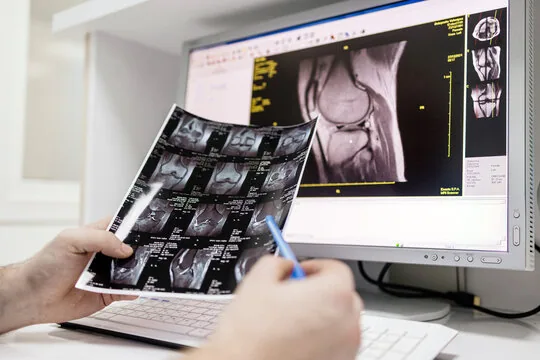
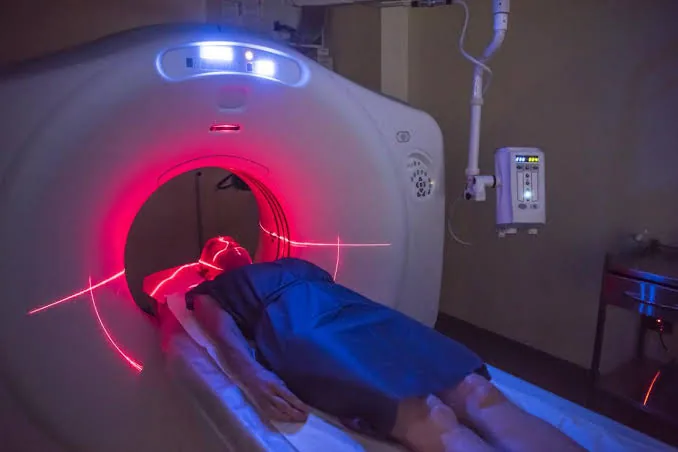
Seeing is believing," especially when it comes to your health. Imaging tests offer doctors a detailed look at what's happening inside your body, without ever needing to make an incision. Whether you're experiencing unexplained pain or just getting a routine check-up, imaging tests help to uncover the hidden causes of your symptoms. And the best part? They often detect problems before they become major issues. Let’s dive into the world of imaging tests and explore how they’re transforming the way we understand and treat health conditions.

4 min read
Mammograms: The Scan That Could Save Your Life Imaging & scans

Mammograms: The Scan That Could Save Your Life

One in eight women will develop breast cancer in their lifetime." That’s a statistic no one wants to be part of, but here’s the good news: early detection saves lives. A mammogram isn’t just another medical test. It’s a powerful tool that can detect breast cancer years before a lump can be felt. It’s quick. It’s safe. And it can make all the difference. Yet, many women put off getting screened, sometimes out of fear, sometimes because they’re "too busy." But here’s the truth: a mammogram takes just 15 minutes and could save years of your life. Let’s talk about why it matters, what to expect, and how to make the process easier.

3 min read
Radiopharmaceuticals: A Modern Tool in Diagnosis and Therapy Imaging & scans

Radiopharmaceuticals: A Modern Tool in Diagnosis and Therapy

Radiopharmaceuticals are specialized medicinal preparations that contain a radioactive isotope and play a vital role in the field of nuclear medicine. Unlike traditional medications, their action is based not only on pharmacological effects but also on the radiation emitted by the radionuclide they carry. These agents are designed to precisely target specific organs or tissues, providing clinicians with accurate diagnostic information or delivering focused therapeutic radiation.

2 min read

Microbiology

View all (1)
Microbiological Tests: The Key to Identifying Hidden Infections Microbiology

Microbiological Tests: The Key to Identifying Hidden Infections

An infection diagnosed is an infection defeated. That’s the power of microbiological testing. Every day, millions of people battle infections some mild, some life-threatening. But without the right tests, doctors are left guessing, and treatments can miss the mark. Think about this: Sepsis, a deadly infection that spreads through the bloodstream, kills over 11 million people worldwide each year. Early detection through blood cultures can mean the difference between life and death. That’s just one example of why microbiological testing isn’t just helpful it’s critical.

4 min read

Stool tests

View all (1)
Stool Tests: What Your Gut Can Reveal About Your Health Stool tests

Stool Tests: What Your Gut Can Reveal About Your Health

Let’s be honest no one likes talking about poop. But the truth is, your stool can tell you a lot about what’s going on inside your body. A simple stool test can uncover parasites, harmful bacteria, hidden blood, and even early signs of colon cancer. If you've been dealing with persistent stomach issues, unexplained weight loss, or changes in your digestion, your doctor may recommend a stool test. It’s a quick, non-invasive way to check for underlying health problems. Let’s break down what these tests look for, how they work, and when you might need one.

3 min read

Urine tests

View all (2)
Understanding the Role of Urinalysis in Routine Health Check-ups Urine tests

Understanding the Role of Urinalysis in Routine Health Check-ups

Urinalysis – it's just a simple test, right? Well, don’t be fooled by its simplicity. This routine test holds the power to uncover hidden health problems that could otherwise go unnoticed. In fact, research shows that up to 10% of people with chronic kidney disease don't know they have it. That’s where urinalysis comes in. It’s a quick, easy way to check in on your body and catch potential issues early. But how does it work, and why should you pay attention to it during your check-up? Let’s break it down.

3 min read
What Your Pee Says About Your Health (And Why You Should Listen) Urine tests

What Your Pee Says About Your Health (And Why You Should Listen)

Ever handed over a urine sample at the doctor’s office and wondered, What exactly are they looking for? It might seem like a routine test, but your pee holds valuable clues about your health. In fact, a simple urinalysis can detect kidney disease, diabetes, infections, and even signs of dehydration, sometimes before you notice any symptoms. The best part? It’s quick, painless, and can give you answers faster than most lab tests. Let’s break down what urinalysis is, what it can tell you, and when you should pay extra attention to your results.

3 min read