

1. The Rise of Immunotherapy: Unleashing Your Body's Own Army
Think of your immune system as a highly trained military. Its job is to identify foreign invaders and eliminate them. Cancer cells are clever. They develop disguises, putting up "checkpoint" proteins that tell your immune T-cells, "I'm friendly, stand down." It’s a devastating trick.
Immunotherapy works by blowing their cover. Drugs known as checkpoint inhibitors (like Keytruda/pembrolizumab and Opdivo/nivolumab) block these signals. They essentially take the blindfold off your immune cells, allowing them to see the cancer and attack with stunning precision. The results have been, in a word, revolutionary for certain cancers like melanoma, lung cancer, and lymphoma.
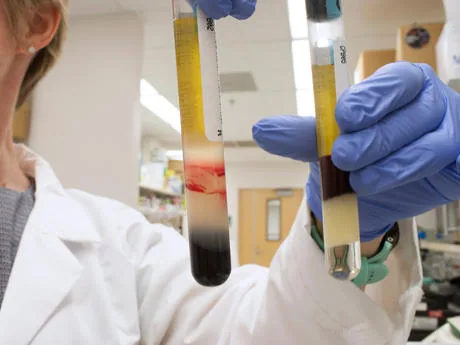
But the innovation doesn't stop there. CAR-T cell therapy takes this a step further into the realm of science fiction made real. Here’s how it works: A patient's own T-cells are extracted and genetically engineered in a lab. Scientists reprogram them to recognize a specific protein on the surface of the patient's cancer cells. These "supercharged" immune cells are then multiplied by the millions and infused back into the patient. They are like a living drug, a homing missile for cancer.
The efficacy is staggering. For certain hard-to-treat leukemias and lymphomas, CAR-T therapy has achieved complete remission rates where other treatments had failed. It’s complex and can have significant side effects, but it represents a monumental leap in personalized medicine.
2. Liquid Biopsies: A Simple Blood Test to Detect and Monitor Cancer
For years, diagnosing and tracking cancer meant invasive procedures: surgical biopsies, scopes, and repeated CT scans with radiation exposure. It was stressful, painful, and carried risks.
Enter the liquid biopsy. This is a game-changer for patient comfort and early detection. This powerful test works by detecting tiny fragments of tumor DNA (ctDNA) that circulate in the bloodstream. It’s a blood draw. That’s it.
The applications are profound:
-
Monitoring Treatment Response: We can now use a simple blood test to see if a therapy is working within weeks, not months. If the level of ctDNA drops, the treatment is effective. If it rises, we know to change course much earlier.
-
Detecting Recurrence: For patients in remission, liquid biopsies can act as an ultra-sensitive early warning system, spotting signs of returning cancer long before a tumor is visible on a scan.
-
Identifying Targets: The test can also find specific genetic mutations in the cancer DNA, helping us match patients with the most effective targeted therapies.
This technology is rapidly moving from research labs into standard clinical practice. It’s less invasive, faster, and provides a dynamic view of the cancer that was previously impossible.
3. Next-Generation Targeted Therapies: Hitting the Right Target
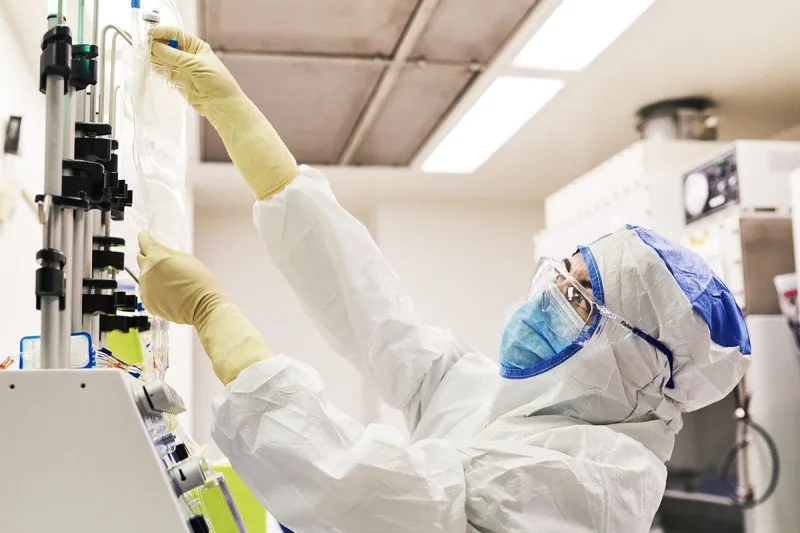
The term "targeted therapy" isn't new, but its sophistication is exploding. Early targeted drugs went after common genetic drivers. Now, we're targeting rare mutations with potent drugs, creating options for people who once had none.
A powerful example is the development of drugs targeting the KRAS mutation. For over 40 years, KRAS was considered "undruggable." It was a devastating diagnosis for many patients with lung, colorectal, and pancreatic cancers. That is no longer true. Drugs like sotorasib (Lumakras) have now been approved specifically for cancers with the KRAS G12C mutation. They work by locking the mutated protein into an inactive state, effectively putting the brakes on cancer cell growth.
This is the model of modern oncology: identify a specific genetic alteration, no matter how rare, and develop a precise agent to disrupt it. The message for patients is to always ask about genomic testing of your tumor. It is no longer an extra; it is an essential step that can reveal these targetable mutations and open doors to these life-extending treatments.
What This Means For You: Be Your Own Best Advocate
These breakthroughs are incredible. But they also make navigating a cancer diagnosis more complex. My strongest professional advice is this: be proactive.
-
Seek a Major Cancer Center: If possible, get a second opinion at an NCI-designated cancer center. These institutions are at the forefront of these innovations and often have access to the latest clinical trials.
-
Insist on Biomarker Testing: Ask your oncologist, "Has my tumor been tested for all available genetic markers, biomarkers, and PD-L1 status?" This information is critical for accessing immunotherapy and targeted therapies.
-
Ask About Clinical Trials: A trial isn't a last resort. It can be a first-class ticket to the treatment of tomorrow, today. Your doctor can help you find trials you may qualify for.
Conclusion
The landscape of cancer treatment is being rewritten before our eyes. The goal is shifting from simply surviving to living longer, and better, with a vastly improved quality of life. The path is still difficult, but it is brighter and filled with more hope than ever before.

Comments (0)
Be the first to comment on this article!
Share your thoughts and start the discussion.