Medical emergency? Call your local emergency number
First aid guides

Menu

Global Vaccine Innovations: Pioneering a Healthier Future

Global Vaccine Innovations: Pioneering a Healthier Future Medical innovation & technology 3 min read
Not yet medically reviewed. This page has not been checked by a qualified medical reviewer. Use it for general education only and confirm anything important with a healthcare professional. Written by GeoMed Editorial Team. Last updated 24 October 2026.

Vaccines save more than 4 million lives every year.” Think about that for a moment. They’re silent warriors, protecting us from deadly diseases we might never even know we were exposed to. But the world of vaccines is evolving at a breathtaking pace. From tackling malaria to breaking ground on HIV immunization, scientists are redefining what’s possible. The COVID-19 pandemic showed us the power of innovation, and it’s just the beginning. This is the story of how modern vaccines are changing lives, one breakthrough at a time.

1. mRNA Vaccine Technology: Beyond the Pandemic

The rapid rollout of mRNA vaccines for COVID-19 was nothing short of extraordinary. But their potential goes far beyond pandemic control.

  • Why does it matter?

mRNA vaccines can be developed faster than traditional vaccines, which is critical during outbreaks.

They’re versatile and can be tailored to target specific diseases, including cancer, HIV, and influenza.

  • What’s next?

Clinical trials are underway to test mRNA vaccines for diseases like Zika virus and herpes.

Researchers are exploring ways to make these vaccines more affordable and accessible to low-income countries.

2. Malaria Vaccine Breakthroughs: A Historic Milestone
Global Vaccine Innovations: Pioneering a Healthier Future

Malaria kills over 600,000 people annually, most of them children under five. For decades, a vaccine seemed out of reach. Not anymore.

The game-changer:

The RTS,S/AS01 malaria vaccine, the first to be WHO-approved, has been rolled out in parts of Africa with promising results.

A second-generation vaccine, R21/Matrix-M, has shown even greater efficacy in clinical trials and is set for wider distribution.

Why it’s revolutionary:

These vaccines could save millions of lives in regions where malaria is endemic, transforming public health systems and boosting economic stability.

3. Tackling HIV with Cutting-Edge Vaccines

HIV has evaded vaccine efforts for decades due to its ability to mutate rapidly. But science is catching up

  • What’s changing?

mRNA-based HIV vaccines are being developed to produce stronger, more targeted immune responses.

Nanoparticle vaccines, which mimic the virus’s structure, are also in trials and show potential for preventing infection.

  • What’s the challenge?

Developing a vaccine that’s effective across all HIV strains remains complex. But with advances in biotechnology, hope is on the horizon.

4. Vaccines for Emerging Infectious Diseases

Global Vaccine Innovations: Pioneering a Healthier Future

The world saw firsthand with COVID-19 how quickly a new disease can spread. Vaccine science is now pivoting to prepare for the next pandemic.

Key innovations:

  • DNA and vector-based vaccines can be designed and manufactured rapidly in response to outbreaks.

  • Platforms like CEPI (Coalition for Epidemic Preparedness Innovations) are funding research for vaccines targeting Ebola, Nipah virus, and Lassa fever.

The takeaway:

The goal isn’t just to stop outbreaks but to prevent them entirely by having vaccines ready before the next crisis strikes.

5. Making Vaccines Accessible to All
Global Vaccine Innovations: Pioneering a Healthier Future

Innovation is meaningless if it doesn’t reach the people who need it most. Equitable access remains one of the biggest challenges in global health.

What’s being done?

  • Initiatives like Gavi, the Vaccine Alliance, are working to subsidize vaccines for low-income countries.

  • Thermostable vaccines, which don’t require cold storage, are being developed to overcome logistical challenges in remote areas.

  • Self-administered vaccines could soon empower individuals to vaccinate themselves, reducing dependency on healthcare infrastructure.

Why it matters:

Every barrier removed means more lives saved. Innovation isn’t just about technology, it’s about breaking down these barriers.

Conclusion

Global vaccine innovations are rewriting the future of healthcare. From mRNA technology to malaria breakthroughs and pandemic preparedness, the progress being made is monumental. But these advancements are about more than science, they’re about people. They’re about creating a world where diseases that once seemed unbeatable are brought under control or eliminated entirely.
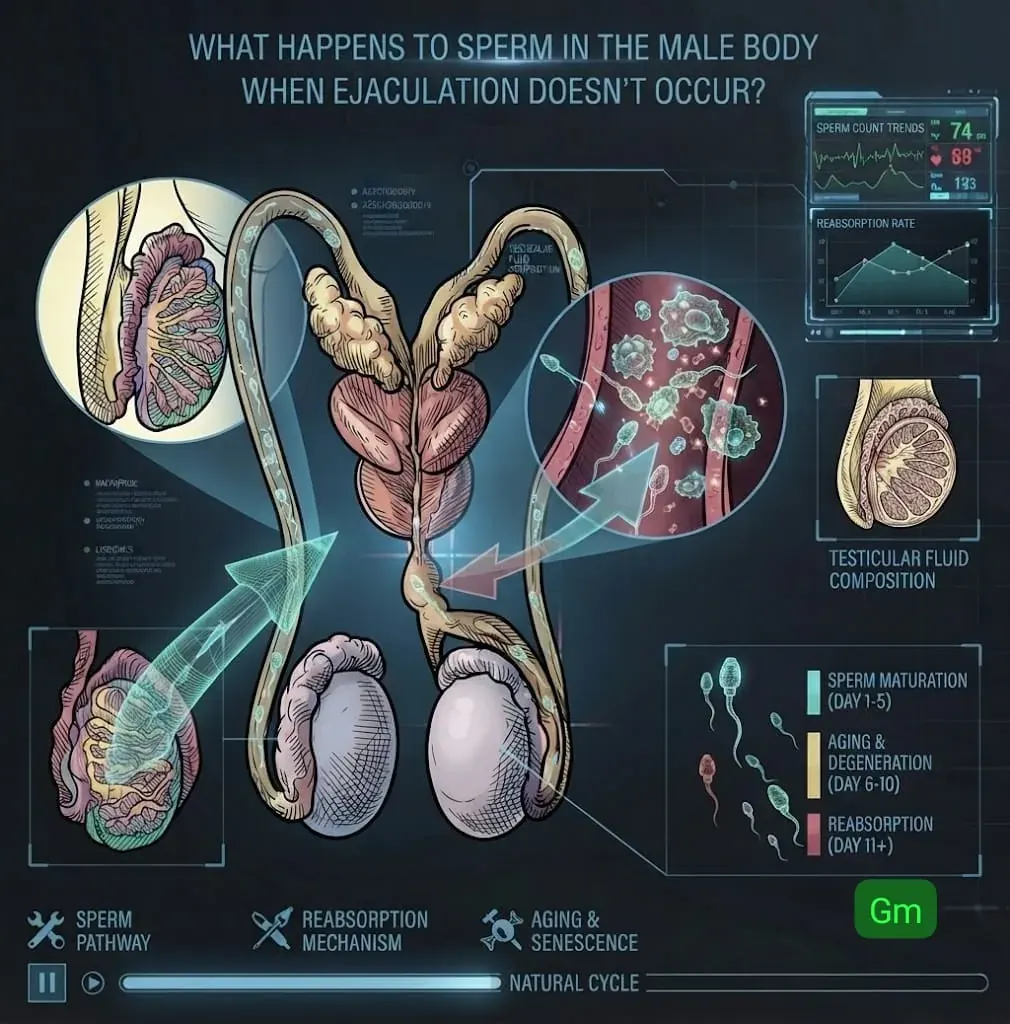
Image credits

  • Heading image: GeoMed

Comments (0)

Be the first to comment on this article!

Share your thoughts and start the discussion.

Leave a comment

Comments are public and reviewed by a moderator before they appear. Please don’t share personal medical details, as we can’t give individual medical advice in comments. Comments are not reviewed medical content.

By commenting you agree to our terms of use and comment policy. See our privacy policy for how we handle your data.

More articles

View all
What Happens to Sperm in the Male Body When Ejaculation Doesn’t Occur? Sexual & reproductive health

What Happens to Sperm in the Male Body When Ejaculation Doesn’t Occur?

Every day, the male body produces millions of sperm. Millions! But what happens when you don’t release them through ejaculation? Many men assume sperm just “sits there” or loses potency. The truth is far more fascinating. Your body is smarter than you think. It manages sperm, recycles it, and keeps your reproductive system running smoothly even during long periods of abstinence. By the end of this article, you’ll understand exactly how your body handles unreleased sperm, what it means for your health, and why this natural process is completely safe.

2 min read
Natural Penis Growth What Most Men Never Learn Sexual & reproductive health

Natural Penis Growth What Most Men Never Learn

More than 60 percent of men report concerns or questions about their penis size at some point in their lives. That number is huge. It tells me one thing very clearly. Curiosity about natural penis growth is normal. Most information available is vague or exaggerated. The truth is simple. Penis growth is guided by biology. Quietly. Gradually. Predictably. Understanding what drives growth lets you stop chasing myths and start supporting your body.

3 min read
How Long Should Sex Last in Bed? The Truth Nobody Talks About Sexual & reproductive health

How Long Should Sex Last in Bed? The Truth Nobody Talks About

“Most men last less than seven minutes during intercourse.” That number might shock you but here’s the real kicker: satisfaction doesn’t follow a stopwatch. One quick statistic doesn’t define pleasure. Connection, control, and technique do. I’ve worked with couples and individuals who stress over duration and it’s usually unnecessary. But the mistakes people make? Those are real and they cost intimacy.

3 min read
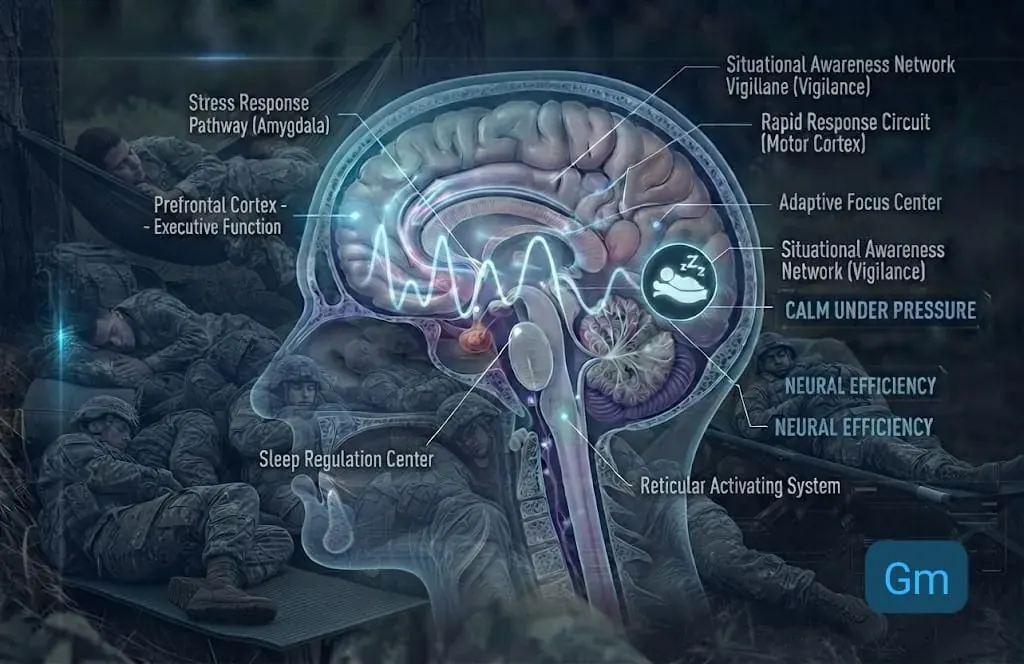
How Soldiers Fall Asleep Fast Even in Chaos and How You Can Too Healthy living & wellness

How Soldiers Fall Asleep Fast Even in Chaos and How You Can Too

96 percent success rate. That's the number that made this military sleep technique go viral. But here's what most people don't know: this method wasn't designed for your cozy bedroom with blackout curtains and white noise machines. It was developed for fighter pilots who needed to sleep sitting upright, surrounded by engine roar and the stress of imminent combat missions. I've spent years studying sleep medicine, and I'll tell you straight most sleep advice is garbage. We're drowning in melatonin gummies, expensive mattresses, and apps that promise to "hack" your circadian rhythm. Meanwhile, the U.S. military figured out decades ago that falling asleep isn't about perfect conditions. It's about training your nervous system to shut down on command, even when everything around you is screaming danger.

8 min read