


- What is Personalized Medicine?
Personalized medicine is a revolutionary approach to healthcare that considers individual differences in genetics, environment, and lifestyle. Unlike traditional treatments, which are designed for the "average" patient, personalized medicine focuses on what works best for you.
Key Elements of Personalized Medicine:
- Genomics: Understanding your DNA to identify genetic predispositions to diseases and responses to treatment.
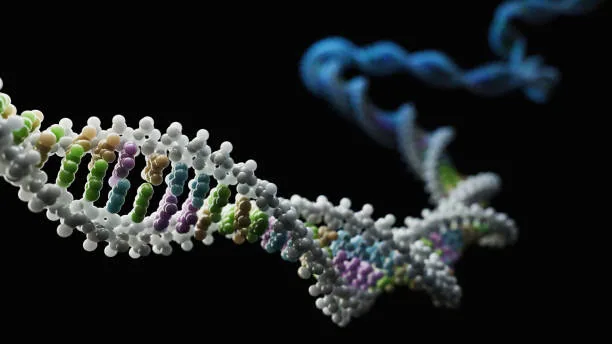
- Biomarkers: Detecting specific biological indicators that predict disease risk or treatment efficacy.
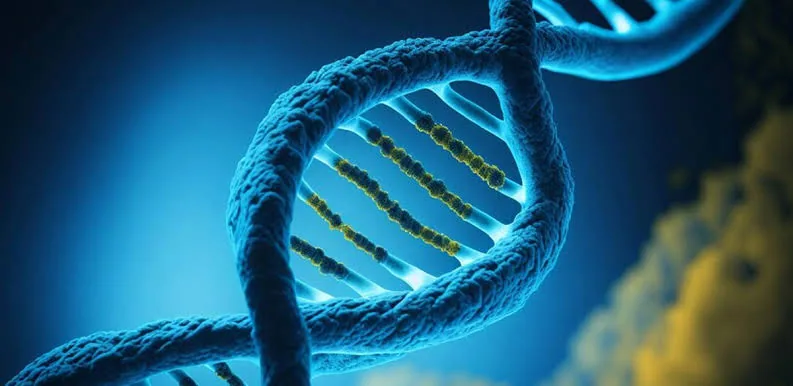
Precision Treatments: Designing therapies based on your unique genetic makeup and health profile.
2. The Role of Genomics in Personalized Medicine
Genomics, the study of an individual's complete set of DNA, is the cornerstone of personalized medicine. With the cost of genome sequencing dropping significantly in recent years, this once-exclusive technology is becoming more accessible.
How Genomics Works in Healthcare:
-
Disease Risk Assessment: By analyzing your genes, healthcare providers can identify your risk for conditions like cancer, diabetes, or heart disease.
-
Treatment Optimization: Certain medications work better, or worse, depending on your genetic profile. Genomics helps match you to the most effective treatment with the fewest side effects.
-
Rare Diseases: For conditions that baffle traditional medicine, genetic insights often hold the key to accurate diagnosis and treatment.
-
Example in Action:
BRCA Genes: Women with mutations in the BRCA1 or BRCA2 genes are at higher risk for breast and ovarian cancer. Knowing this allows for proactive measures, such as increased screening or preventive treatments.
3. Precision Treatments: Redefining Therapy
Precision treatments are tailored to target the specific biological pathways causing a patient’s disease. This minimizes damage to healthy cells and improves outcomes.
Examples of Precision Treatments:
- Targeted Cancer Therapies
Traditional chemotherapy affects both healthy and cancerous cells, causing severe side effects. Targeted therapies, like HER2 inhibitors for breast cancer, focus only on cancer cells.
Impact: Better effectiveness and fewer side effects.
- Pharmacogenomics
This field studies how your genes affect your response to drugs. For example, some people metabolize painkillers too quickly, making them ineffective. Others process them too slowly, leading to toxicity.
Benefit: Personalized drug prescriptions that work for your specific genetic makeup.
CRISPR and Gene Editing
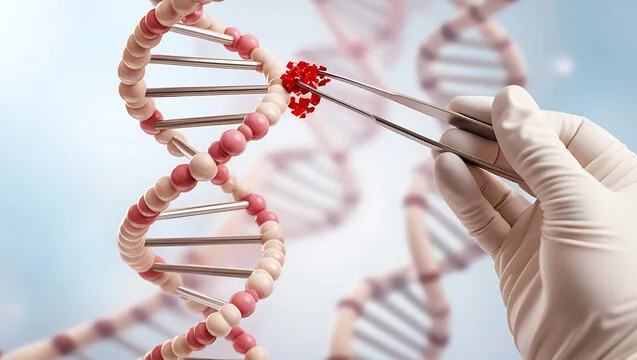
- Technologies like CRISPR allow scientists to edit genes directly. This holds promise for treating genetic disorders like sickle cell anemia and cystic fibrosis.
Future Potential: A cure for inherited diseases rather than just managing symptoms.
4. Benefits of Personalized Medicine
- Improved Treatment Outcomes
Patients receive treatments tailored to their biology, increasing the likelihood of success.
- Fewer Side Effects
By targeting specific pathways or genes, personalized treatments minimize unintended effects on healthy tissues.
- Early Disease Detection
Genomic testing can identify risks before symptoms arise, enabling preventative measures.
- Cost Efficiency
Though initial testing may be expensive, personalized treatments reduce trial-and-error prescribing, unnecessary procedures, and hospitalizations.
5. Challenges Facing Personalized Medicine
While the benefits are promising, personalized medicine faces significant hurdles:
- Cost and Accessibility
Genome sequencing and advanced therapies can be expensive, limiting access for many patients.
-
Widening availability is essential for equitable healthcare.
-
Data Privacy
Genomic data is deeply personal. Ensuring its security and ethical use is critical.
Complexity of Implementation
-
Healthcare providers need extensive training to interpret genomic data and integrate it into treatment plans.
-
Regulatory Hurdles
Developing personalized treatments requires navigating complex approval processes, delaying availability to patients.
6. The Future of Personalized Medicine
The field of personalized medicine is evolving rapidly. What can we expect in the coming years?
- Artificial Intelligence (AI): AI algorithms will analyze vast amounts of genomic data to uncover patterns and refine treatments.

-
Population Genomics: Large-scale genomic studies will help us understand how genetics interact with lifestyle and environment, leading to better population-wide health strategies.
-
Preventative Healthcare: Personalized medicine will shift the focus from treatment to prevention, empowering individuals to make informed lifestyle choices based on their genetic risks.
-
Cures for Genetic Disorders: Advancements in gene editing could eradicate diseases caused by faulty genes.
Conclusion
The rise of personalized medicine marks a pivotal moment in the history of healthcare. By leveraging genomics and precision treatments, we’re moving toward a future where medical care is as unique as the individual receiving it.
While challenges remain, the potential to save lives, reduce suffering, and transform the healthcare system is unparalleled. Personalized medicine isn’t just the future, it’s happening now. And as technology advances, the dream of tailored, effective, and accessible healthcare for all becomes closer to reality.



Comments (0)
Be the first to comment on this article!
Share your thoughts and start the discussion.