Medical emergency? Call your local emergency number
First aid guides

Menu

The Rise of Robotic Surgery: Precision Meets Innovation

The Rise of Robotic Surgery: Precision Meets Innovation Medical innovation & technology 2 min read
Not yet medically reviewed. This page has not been checked by a qualified medical reviewer. Use it for general education only and confirm anything important with a healthcare professional. Written by GeoMed Editorial Team. Last updated 24 October 2026.

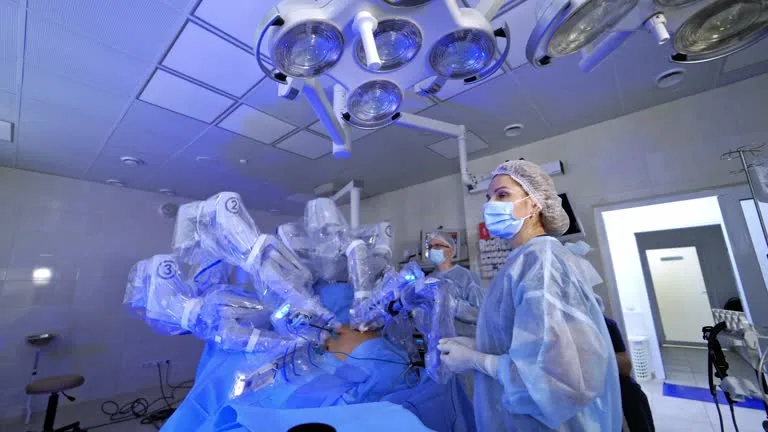
Robotic surgery is the closest thing we have to magic in the operating room,” said Dr. Peter Kim, a pioneer in surgical technology. In 2025, this "magic" is no longer confined to science fiction. With robotic-assisted procedures increasing by 15% annually, it's clear that technology is revolutionizing how surgeons save lives. From liver resections to heart valve repairs, robots are delivering precision that was unimaginable just a decade ago. But what does this mean for you, whether you’re a healthcare professional, policymaker, or patient? Let’s dive into the game-changing innovations, practical benefits, and what the future holds for robotic surgery.

Robotic Surgery: Revolutionizing Precision in Modern Healthcare

What Makes Robotic Surgery Stand Out?

Robotic-assisted surgery combines the surgeon's expertise with the precision of advanced technology. Here's what sets it apart:

  • Unmatched Precision: Robotic arms mimic the surgeon’s movements with millimeter-level accuracy, reducing human error. This is a game-changer for delicate surgeries like those involving the brain or liver.

  • Enhanced Visibility: Equipped with high-definition 3D cameras, robotic systems give surgeons a detailed, magnified view of the surgical site. It’s like trading a flashlight for a floodlight.

  • Minimally Invasive Approach: Smaller incisions mean less pain, minimal scarring, and faster recovery times for patients.

Success Stories in Robotic Surgery

  • Liver Surgeries: Recent studies reveal that robotic-assisted liver resections reduce complications by 30% compared to traditional methods. Patients not only recover faster but also spend less time in the hospital.

  • Gynecological Procedures: Robotic systems are improving outcomes in hysterectomies, with shorter recovery periods and fewer post-operative complications.

  • Cardiovascular Surgery: For complex heart valve repairs, robotics ensure greater precision, minimizing risks and improving survival rates.

How Robotic Surgery Benefits Patients

The Rise of Robotic Surgery: Precision Meets Innovation

Patients aren’t just numbers on a chart, they’re individuals with lives to get back to. Robotic surgery makes this easier:

  • Faster Recovery: Traditional surgeries often mean long hospital stays. Robotic procedures slash recovery time, sometimes by weeks.

  • Reduced Pain and Scarring: Smaller incisions lead to less physical trauma, making a huge difference in post-operative comfort.

  • Improved Outcomes: Precision minimizes complications, reducing the likelihood of follow-up surgeries.

The Future of Robotic-Assisted Surgery

The Rise of Robotic Surgery: Precision Meets Innovation

The horizon is filled with exciting possibilities. Here’s what’s next:

  • AI Integration: Artificial intelligence will analyze real-time data during surgery, helping surgeons make even better decisions.

  • Remote Surgeries: Imagine a top specialist in London operating on a patient in Lagos. With 5G connectivity and robotic systems, this could soon be routine.

  • Expanded Accessibility: As costs decrease, more hospitals will adopt this technology, bringing advanced care to underserved areas.

Is Robotic Surgery Right for Your Practice?

The Rise of Robotic Surgery: Precision Meets Innovation

If you’re a healthcare provider, consider these questions before integrating robotic systems:

  1. Do You Have Skilled Surgeons? Robotic systems are only as good as the people operating them. Training is essential.

  2. Can You Justify the Cost? Robotic systems are expensive, but the long-term benefits, better outcomes, fewer complications, can offset the investment.

  3. Are You Ready to Scale? As demand for robotic surgery grows, your facility needs the capacity to meet it.

Conclusion

Robotic surgery isn’t just a trend, it’s the future of medicine. By combining human expertise with technological innovation, it’s transforming lives, one operation at a time. Whether you’re a surgeon, administrator, or curious patient, understanding this evolution is crucial.

Image credits

  • Heading image: GeoMed

Comments (0)

Be the first to comment on this article!

Share your thoughts and start the discussion.

Leave a comment

Comments are public and reviewed by a moderator before they appear. Please don’t share personal medical details, as we can’t give individual medical advice in comments. Comments are not reviewed medical content.

By commenting you agree to our terms of use and comment policy. See our privacy policy for how we handle your data.

More articles

View all
What Happens to Sperm in the Male Body When Ejaculation Doesn’t Occur? Sexual & reproductive health

What Happens to Sperm in the Male Body When Ejaculation Doesn’t Occur?

Every day, the male body produces millions of sperm. Millions! But what happens when you don’t release them through ejaculation? Many men assume sperm just “sits there” or loses potency. The truth is far more fascinating. Your body is smarter than you think. It manages sperm, recycles it, and keeps your reproductive system running smoothly even during long periods of abstinence. By the end of this article, you’ll understand exactly how your body handles unreleased sperm, what it means for your health, and why this natural process is completely safe.

2 min read
Natural Penis Growth What Most Men Never Learn Sexual & reproductive health

Natural Penis Growth What Most Men Never Learn

More than 60 percent of men report concerns or questions about their penis size at some point in their lives. That number is huge. It tells me one thing very clearly. Curiosity about natural penis growth is normal. Most information available is vague or exaggerated. The truth is simple. Penis growth is guided by biology. Quietly. Gradually. Predictably. Understanding what drives growth lets you stop chasing myths and start supporting your body.

3 min read
How Long Should Sex Last in Bed? The Truth Nobody Talks About Sexual & reproductive health

How Long Should Sex Last in Bed? The Truth Nobody Talks About

“Most men last less than seven minutes during intercourse.” That number might shock you but here’s the real kicker: satisfaction doesn’t follow a stopwatch. One quick statistic doesn’t define pleasure. Connection, control, and technique do. I’ve worked with couples and individuals who stress over duration and it’s usually unnecessary. But the mistakes people make? Those are real and they cost intimacy.

3 min read
How Soldiers Fall Asleep Fast Even in Chaos and How You Can Too Healthy living & wellness

How Soldiers Fall Asleep Fast Even in Chaos and How You Can Too

96 percent success rate. That's the number that made this military sleep technique go viral. But here's what most people don't know: this method wasn't designed for your cozy bedroom with blackout curtains and white noise machines. It was developed for fighter pilots who needed to sleep sitting upright, surrounded by engine roar and the stress of imminent combat missions. I've spent years studying sleep medicine, and I'll tell you straight most sleep advice is garbage. We're drowning in melatonin gummies, expensive mattresses, and apps that promise to "hack" your circadian rhythm. Meanwhile, the U.S. military figured out decades ago that falling asleep isn't about perfect conditions. It's about training your nervous system to shut down on command, even when everything around you is screaming danger.

8 min read