Medical emergency? Call your local emergency number
First aid guides

Menu

Advancements in Cancer Treatment: What You Need to Know

Advancements in Cancer Treatment: What You Need to Know Medical innovation & technology 3 min read
Not yet medically reviewed. This page has not been checked by a qualified medical reviewer. Use it for general education only and confirm anything important with a healthcare professional. Written by GeoMed Editorial Team. Last updated 24 October 2026.

Cancer survival rates have doubled over the past 40 years, and we owe it all to groundbreaking innovations." This statement isn’t just inspiring, it’s proof of how far we’ve come in the fight against one of the world’s deadliest diseases. But what’s driving this progress? From therapies that reprogram the immune system to nanotechnologies that target cancer cells with laser-like precision, the future of cancer care is brighter than ever. Let’s dive into the advancements reshaping treatment and what they mean for patients and healthcare professionals alike.

The Future of Cancer Care: 5 Game-Changing Advances

1. Immunotherapy: Empowering the Body to Fight Back

Cancer hides in plain sight, evading the immune system like a master of disguise. Immunotherapy changes that.

  • Checkpoint Inhibitors: These drugs unleash the immune system by blocking proteins like PD-1 and CTLA-4 that cancer uses to suppress T-cells. Pembrolizumab (Keytruda) has shown remarkable results in treating advanced melanoma and lung cancer.

Advancements in Cancer Treatment: What You Need to Know

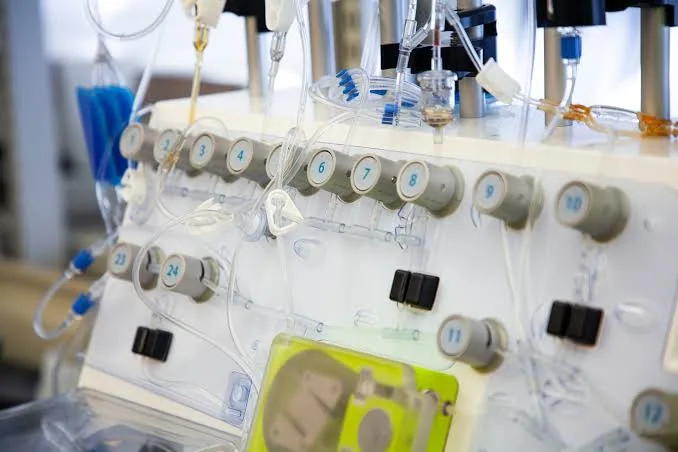
  • CAR-T Cell Therapy: Imagine reprogramming a patient’s immune cells to seek and destroy cancer cells. This therapy, already FDA-approved for some blood cancers, is a game-changer.

Why It Matters: Immunotherapy provides hope for patients who have exhausted traditional treatments, often leading to long-term remission.

2. Targeted Therapy: Precision Over Power
Advancements in Cancer Treatment: What You Need to Know

  • Traditional chemotherapy is like using a sledgehammer, it’s effective but impacts healthy cells too. Targeted therapies? They’re more like a scalpel.

  • Examples in Action: Imatinib (Gleevec) targets specific proteins driving chronic myeloid leukemia, while PARP inhibitors disrupt cancer cells' DNA repair mechanisms in patients with BRCA mutations.

  • Actionable Insight: Genetic testing is crucial. Encourage patients to get their tumors genetically profiled to explore targeted treatment options.

Why It Matters: Targeted therapies minimize side effects and maximize results, making cancer care more tolerable and efficient.

3. Precision Medicine: One Size No Longer Fits All

Cancer is personal, and so is its treatment. Precision medicine uses genetic and molecular data to craft tailored therapies for individual patients.
Advancements in Cancer Treatment: What You Need to Know

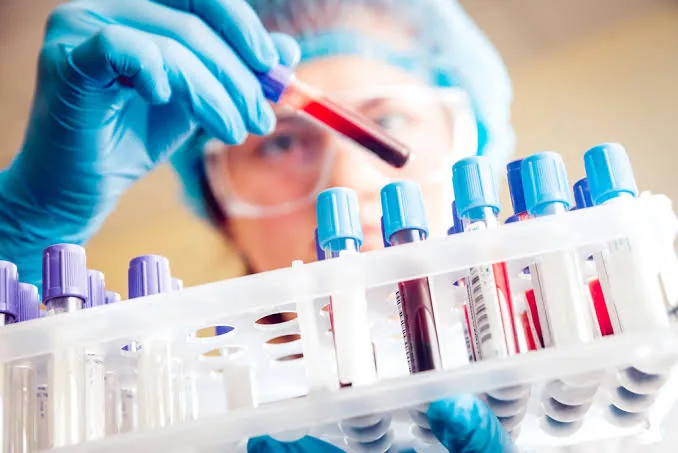
  • Liquid Biopsies: Non-invasive blood tests can detect cancer biomarkers, offering earlier diagnosis and tracking of treatment responses.

  • Personalized Drug Development: Advances in pharmacogenomics ensure medications are customized to match a patient’s unique cancer profile.

Why It Matters: Early detection and customized treatment plans are saving lives and improving quality of care.

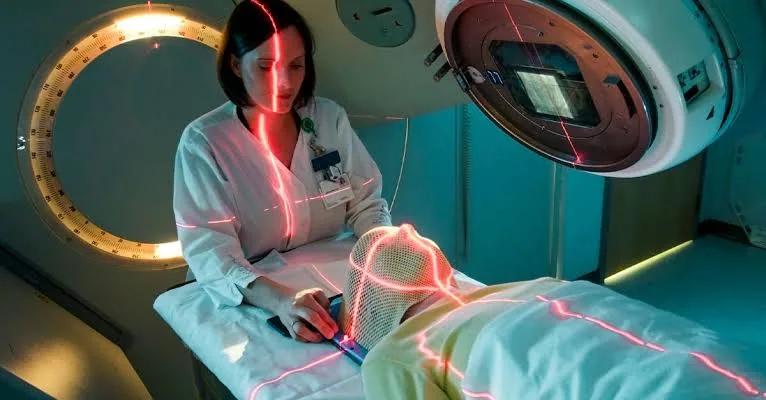
4. Revolutionizing Radiation Therapy
Advancements in Cancer Treatment: What You Need to Know

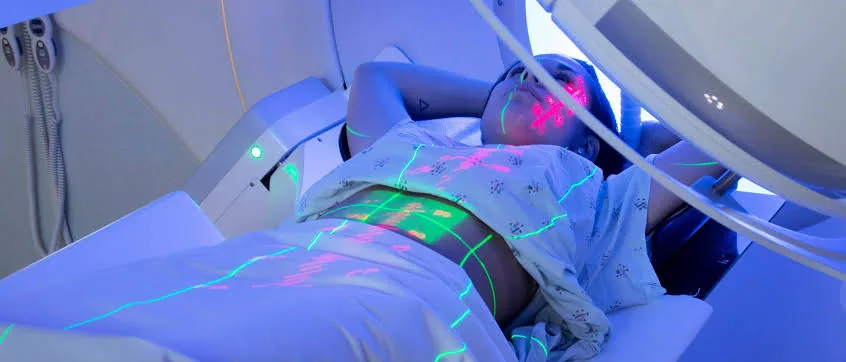
Radiation therapy has always been a cornerstone of cancer treatment, but now it’s smarter, safer, and more effective.

  • Proton Therapy: This advanced method delivers high-energy beams with pinpoint accuracy, sparing nearby healthy tissues.

  • SBRT: Stereotactic Body Radiotherapy condenses weeks of treatment into just a few sessions without compromising effectiveness.

Why It Matters: These innovations reduce side effects and improve convenience, allowing patients to recover faster.

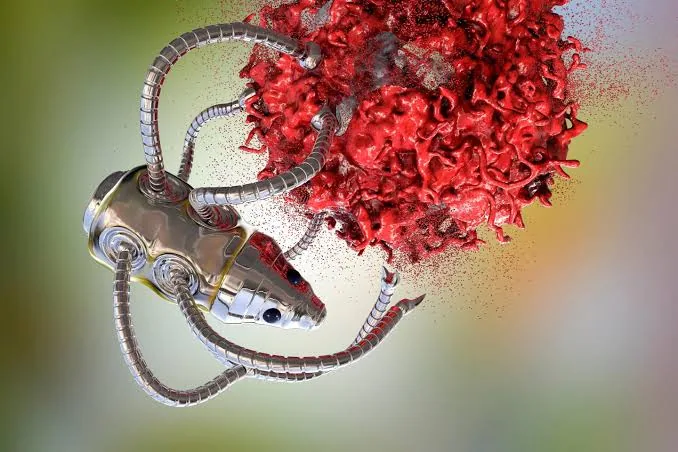
5. Nanotechnology: Small Tools for a Big Problem
Advancements in Cancer Treatment: What You Need to Know

Imagine microscopic drug carriers targeting cancer cells without harming healthy ones. That’s the power of nanotechnology.

  • Nanocarriers: These tiny particles deliver chemotherapy drugs directly to tumors, reducing side effects.

  • Theranostics: A blend of therapy and diagnostics, this approach tracks how well treatments are working in real-time.

Why It Matters: By focusing on the tumor and leaving healthy cells untouched, nanotechnology enhances treatment efficacy and patient comfort.

Conclusion: The Road Ahead

Every advancement in cancer treatment brings us closer to a world where cancer is no longer a death sentence. Whether it’s reprogramming the immune system, tailoring therapies to a patient’s genetics, or leveraging cutting-edge technology, these innovations are transforming lives.

Take Action: If you’re a healthcare professional, stay informed about these breakthroughs and incorporate genetic testing and emerging therapies into your practice. For patients, don’t hesitate to ask your doctor about the latest options available, you deserve care that’s as advanced as the science behind it.

The future of cancer treatment is here, and it’s saving lives. Let’s make sure everyone benefits from it.
Image credits

  • Heading image: GeoMed

Comments (0)

Be the first to comment on this article!

Share your thoughts and start the discussion.

Leave a comment

Comments are public and reviewed by a moderator before they appear. Please don’t share personal medical details, as we can’t give individual medical advice in comments. Comments are not reviewed medical content.

By commenting you agree to our terms of use and comment policy. See our privacy policy for how we handle your data.

More articles

View all
What Happens to Sperm in the Male Body When Ejaculation Doesn’t Occur? Sexual & reproductive health

What Happens to Sperm in the Male Body When Ejaculation Doesn’t Occur?

Every day, the male body produces millions of sperm. Millions! But what happens when you don’t release them through ejaculation? Many men assume sperm just “sits there” or loses potency. The truth is far more fascinating. Your body is smarter than you think. It manages sperm, recycles it, and keeps your reproductive system running smoothly even during long periods of abstinence. By the end of this article, you’ll understand exactly how your body handles unreleased sperm, what it means for your health, and why this natural process is completely safe.

2 min read
Natural Penis Growth What Most Men Never Learn Sexual & reproductive health

Natural Penis Growth What Most Men Never Learn

More than 60 percent of men report concerns or questions about their penis size at some point in their lives. That number is huge. It tells me one thing very clearly. Curiosity about natural penis growth is normal. Most information available is vague or exaggerated. The truth is simple. Penis growth is guided by biology. Quietly. Gradually. Predictably. Understanding what drives growth lets you stop chasing myths and start supporting your body.

3 min read
How Long Should Sex Last in Bed? The Truth Nobody Talks About Sexual & reproductive health

How Long Should Sex Last in Bed? The Truth Nobody Talks About

“Most men last less than seven minutes during intercourse.” That number might shock you but here’s the real kicker: satisfaction doesn’t follow a stopwatch. One quick statistic doesn’t define pleasure. Connection, control, and technique do. I’ve worked with couples and individuals who stress over duration and it’s usually unnecessary. But the mistakes people make? Those are real and they cost intimacy.

3 min read
How Soldiers Fall Asleep Fast Even in Chaos and How You Can Too Healthy living & wellness

How Soldiers Fall Asleep Fast Even in Chaos and How You Can Too

96 percent success rate. That's the number that made this military sleep technique go viral. But here's what most people don't know: this method wasn't designed for your cozy bedroom with blackout curtains and white noise machines. It was developed for fighter pilots who needed to sleep sitting upright, surrounded by engine roar and the stress of imminent combat missions. I've spent years studying sleep medicine, and I'll tell you straight most sleep advice is garbage. We're drowning in melatonin gummies, expensive mattresses, and apps that promise to "hack" your circadian rhythm. Meanwhile, the U.S. military figured out decades ago that falling asleep isn't about perfect conditions. It's about training your nervous system to shut down on command, even when everything around you is screaming danger.

8 min read