Medical emergency? Call your local emergency number
First aid guides

Menu

Telemedicine 2.0: The Future of Virtual Healthcare Services

Telemedicine 2.0: The Future of Virtual Healthcare Services Medical innovation & technology 3 min read
Not yet medically reviewed. This page has not been checked by a qualified medical reviewer. Use it for general education only and confirm anything important with a healthcare professional. Written by GeoMed Editorial Team. Last updated 24 October 2026.

Telemedicine isn’t just a digital bridge; it’s the new front door to healthcare.” By 2028, virtual healthcare services are expected to become a $250 billion industry globally. What started as a necessity during the pandemic has now evolved into an innovation-driven system poised to transform how we access care. Gone are the days of long waits in clinics or traveling hours to see a specialist. Telemedicine 2.0 is here, powered by AI, wearables, and real-time diagnostics. It’s faster, smarter, and designed for the future. If you’re wondering what’s next for virtual healthcare, this article explores how telemedicine is evolving, its game-changing benefits, and the challenges we need to overcome to make it even better.

1. The Evolution of Telemedicine

Telemedicine has grown from a simple tool to a sophisticated platform that integrates cutting-edge technology into everyday care.

Past: The early days of telemedicine relied on phone calls and basic video consultations to connect patients and doctors remotely.

Present: Today, virtual platforms offer everything from AI-powered diagnostics to wearable device integration, ensuring a holistic healthcare experience.

Key Shift: Telemedicine is no longer a substitute for in-person care, it’s a dynamic ecosystem that complements and enhances it.

2. Innovations Powering Telemedicine 2.0

  • Artificial Intelligence (AI)

AI has become a game-changer, offering rapid diagnostics and personalized health recommendations.

Example: AI tools like Buoy Health analyze symptoms and provide actionable guidance within minutes.

  • Wearables and Remote Monitoring

Devices such as smartwatches and biosensors enable real-time health tracking.
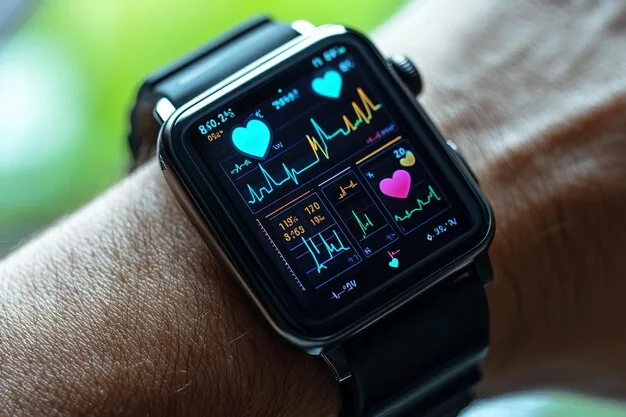
Telemedicine 2.0: The Future of Virtual Healthcare Services

Impact: Patients with chronic illnesses like diabetes or hypertension can be monitored 24/7, reducing hospital visits.

  • Virtual Reality (VR) and Augmented Reality (AR)

VR and AR are revolutionizing telemedicine, particularly in therapy and surgical training.

Example: VR therapy platforms like Limbix are helping patients with anxiety or PTSD engage in guided treatments.
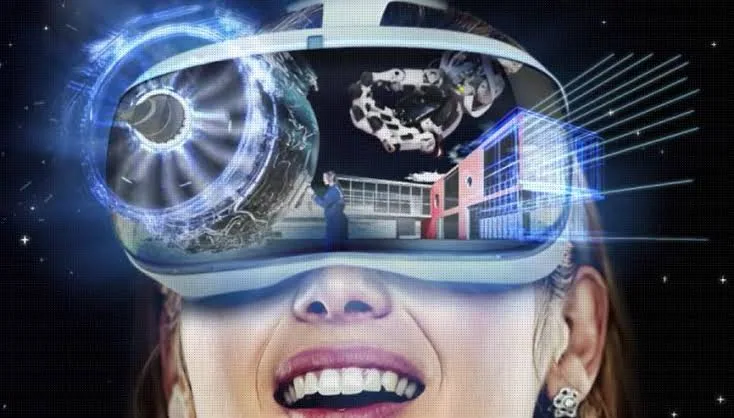
Telemedicine 2.0: The Future of Virtual Healthcare Services

  • Block chain Technology

Block chain ensures secure and tamper-proof storage of patient records.

Advantage: Patients gain control over their health data while ensuring seamless sharing with authorized providers.

  • 5G Connectivity

Faster internet speeds mean smoother consultations and the ability to transfer large diagnostic files instantly.

Example: Ultrasound scans can now be transmitted in real-time during virtual consultations.

3. The Benefits of Telemedicine 2.0

  • Improved Accessibility

Telemedicine bridges the gap for patients in remote or underserved areas.

Fact: A recent study showed tele health reduced travel time for rural patients by over 60%.

  • Cost Efficiency

Virtual care significantly lowers costs for both patients and providers.

Actionable Tip: Many insurers now cover tele health services, so check your policy to maximize savings.

  • Convenience Redefined

No more waiting rooms or rigid appointment schedules. Patients can consult with doctors from their homes or offices.

Example: Follow-up consultations for chronic conditions can now be managed virtually, saving hours each week.

4. Challenges to Overcome

  • Digital Divide

Access to telemedicine depends on reliable internet and devices, something not everyone has.

Solution: Governments and NGOs must invest in expanding broadband access to rural and underserved communities.

  • Privacy and Security Concerns

With sensitive health data online, cybersecurity risks are a major concern.

Tip: Choose telemedicine platforms that comply with HIPAA or equivalent regulations to ensure data protection.

  • Regulatory Fragmentation

Different regions have varying laws for telemedicine, complicating cross-border care.

Solution: Advocating for standardized global regulations can simplify the process for providers and patients.

5. The Future of Telemedicine 2.0

  • AI-Driven Virtual Assistants

Telemedicine 2.0: The Future of Virtual Healthcare Services

Soon, virtual assistants powered by AI will guide patients through everything, from symptom checks to booking appointments.

  • Predictive Analytics

Wearable devices and telemedicine platforms will predict health issues before symptoms arise, enabling preventive care.

  • Global Healthcare Accessibility

Telemedicine will make expert consultations available globally, breaking down barriers for specialized care.

  • Integration with Io T (Internet of Things)

Telemedicine 2.0: The Future of Virtual Healthcare Services

Connected devices, like smart blood pressure cuffs and glucose monitors, will feed data directly into telemedicine systems, creating a seamless care loop.

Conclusion

Telemedicine 2.0 is not just about convenience, it’s a revolution in healthcare delivery. It’s faster, more accessible, and deeply integrated with technology. From AI diagnostics to wearable integration, the future of virtual healthcare is bright, but challenges like the digital divide and data security must be addressed.

As telemedicine continues to evolve, one thing is clear: the future of healthcare isn’t just in clinics or hospitals, it’s in your pocket, on your wrist, and at your fingertips. Now is the time to embrace Telemedicine 2.0 and shape a healthier, smarter world.
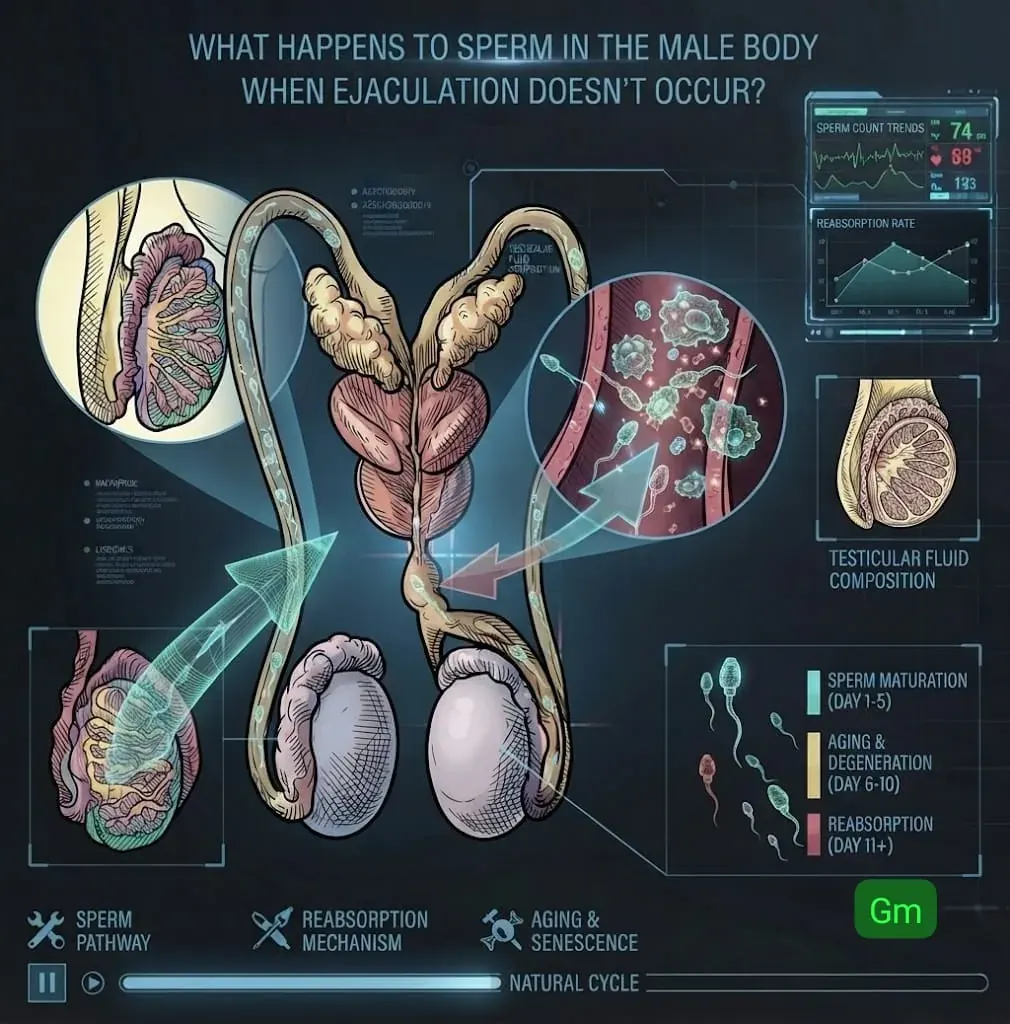
Image credits

  • Heading image: GeoMed

Comments (0)

Be the first to comment on this article!

Share your thoughts and start the discussion.

Leave a comment

Comments are public and reviewed by a moderator before they appear. Please don’t share personal medical details, as we can’t give individual medical advice in comments. Comments are not reviewed medical content.

By commenting you agree to our terms of use and comment policy. See our privacy policy for how we handle your data.

More articles

View all
What Happens to Sperm in the Male Body When Ejaculation Doesn’t Occur? Sexual & reproductive health

What Happens to Sperm in the Male Body When Ejaculation Doesn’t Occur?

Every day, the male body produces millions of sperm. Millions! But what happens when you don’t release them through ejaculation? Many men assume sperm just “sits there” or loses potency. The truth is far more fascinating. Your body is smarter than you think. It manages sperm, recycles it, and keeps your reproductive system running smoothly even during long periods of abstinence. By the end of this article, you’ll understand exactly how your body handles unreleased sperm, what it means for your health, and why this natural process is completely safe.

2 min read
Natural Penis Growth What Most Men Never Learn Sexual & reproductive health

Natural Penis Growth What Most Men Never Learn

More than 60 percent of men report concerns or questions about their penis size at some point in their lives. That number is huge. It tells me one thing very clearly. Curiosity about natural penis growth is normal. Most information available is vague or exaggerated. The truth is simple. Penis growth is guided by biology. Quietly. Gradually. Predictably. Understanding what drives growth lets you stop chasing myths and start supporting your body.

3 min read
How Long Should Sex Last in Bed? The Truth Nobody Talks About Sexual & reproductive health

How Long Should Sex Last in Bed? The Truth Nobody Talks About

“Most men last less than seven minutes during intercourse.” That number might shock you but here’s the real kicker: satisfaction doesn’t follow a stopwatch. One quick statistic doesn’t define pleasure. Connection, control, and technique do. I’ve worked with couples and individuals who stress over duration and it’s usually unnecessary. But the mistakes people make? Those are real and they cost intimacy.

3 min read
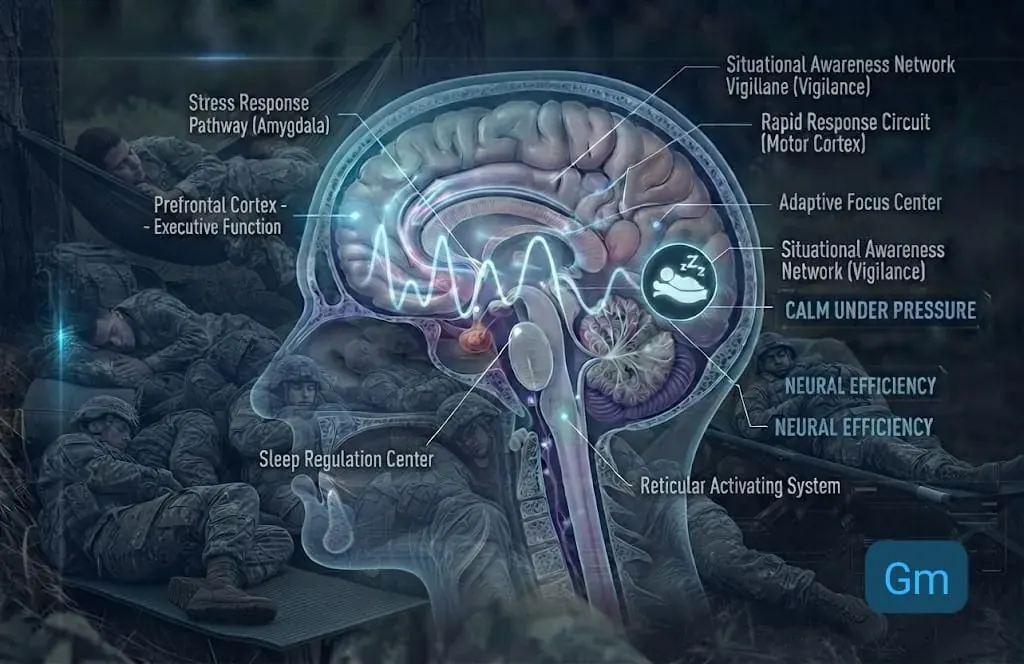
How Soldiers Fall Asleep Fast Even in Chaos and How You Can Too Healthy living & wellness

How Soldiers Fall Asleep Fast Even in Chaos and How You Can Too

96 percent success rate. That's the number that made this military sleep technique go viral. But here's what most people don't know: this method wasn't designed for your cozy bedroom with blackout curtains and white noise machines. It was developed for fighter pilots who needed to sleep sitting upright, surrounded by engine roar and the stress of imminent combat missions. I've spent years studying sleep medicine, and I'll tell you straight most sleep advice is garbage. We're drowning in melatonin gummies, expensive mattresses, and apps that promise to "hack" your circadian rhythm. Meanwhile, the U.S. military figured out decades ago that falling asleep isn't about perfect conditions. It's about training your nervous system to shut down on command, even when everything around you is screaming danger.

8 min read