

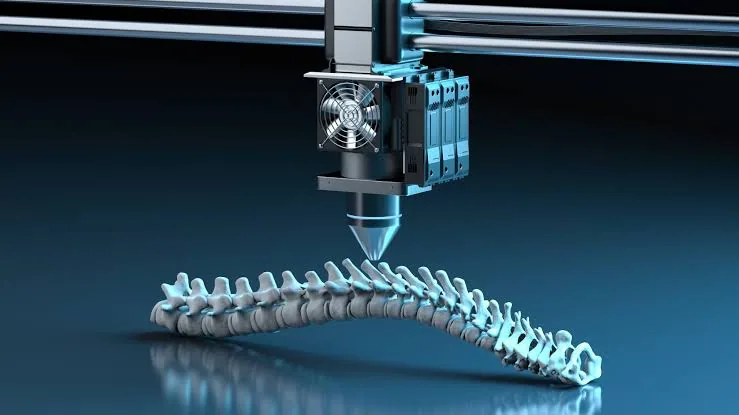
1. The Role of 3D Printing in Modern Healthcare
At its core, 3D printing is about precision and customization. This technology allows us to build objects layer by layer from digital models, using materials ranging from plastics to living cells. For healthcare, this means the ability to create solutions that perfectly fit individual patients, no one-size-fits-all approaches here.
Prosthetics & Implants: Prosthetics can now be custom-built for the patient, resulting in better comfort and functionality. Whether it’s a limb, joint, or even dental implant, 3D printing enables doctors to provide a truly personalized fit.
Surgical Planning: Surgeons can now hold a physical 3D model of a patient’s organ or bones in their hands before going into the operating room. This level of precision ensures that complex surgeries are planned with greater accuracy and reduced risk.
2. Custom Prosthetics: Changing Lives, One Print at a Time
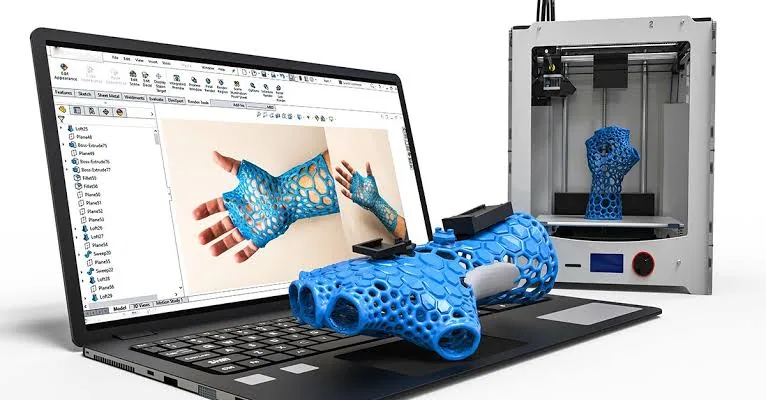
The beauty of 3D printing lies in its ability to create perfectly tailored prosthetics. Instead of settling for a generic, off-the-shelf model, patients can now receive a prosthetic that aligns with their unique body measurements and functional needs.
Example: A company like Open Bionics uses 3D printing to create affordable and custom prosthetic arms for children. These prosthetics are lightweight, functional, and customizable to suit different lifestyle needs.
Benefit: This level of personalization not only improves the fit but also enhances patient confidence. After all, a well-fitting prosthetic means more than just comfort, it means independence.
3. Bio printing: The Next Frontier in Organ Transplants
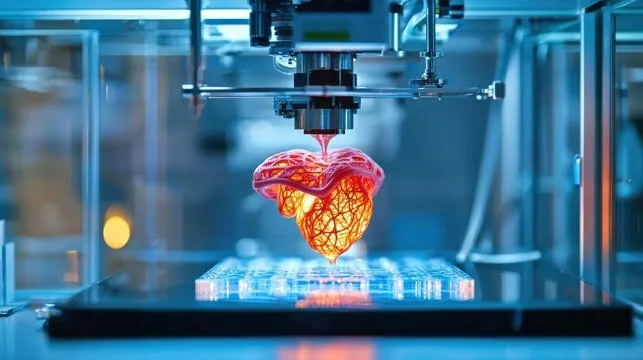
While prosthetics are a notable application, bioprinting, using living cells to print tissues and organs, is the real game-changer. Scientists are already using bio-inks (cells and biological materials) to print simple tissues, like skin or cartilage, and the potential for organ bioprinting is staggering.
Example: Researchers at the Wake Forest Institute for Regenerative Medicine are working on printing functional tissues that could one day be used in transplants, potentially eliminating organ waiting lists.
Future Implications: Bioprinted organs could save millions of lives by providing organs that perfectly match a patient’s biological makeup. No rejection, no waiting lists, just a future where organ failure is no longer a death sentence.
4. Benefits of 3D Printing in Healthcare
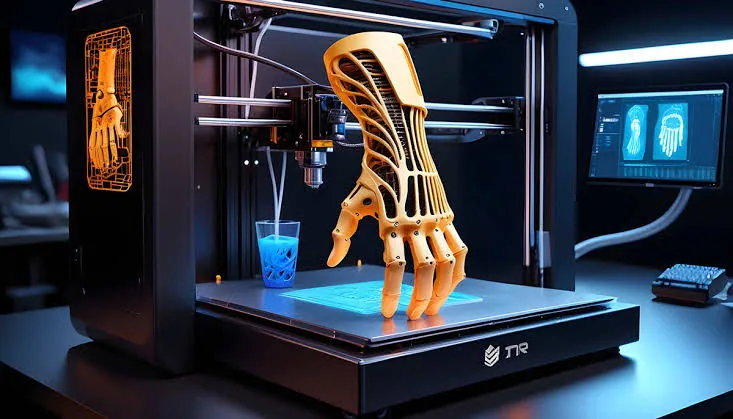
Personalization
- 3D printing allows for the creation of bespoke solutions, whether it's prosthetics, implants, or surgical tools, that are specifically designed to match the patient’s anatomy. This leads to better outcomes, fewer complications, and higher patient satisfaction.
- Speed and Efficiency
- In the past, manufacturing custom implants or prosthetics could take weeks or even months. With 3D printing, the process is much faster. In fact, many prosthetics are now made within 24-48 hours, enabling quicker recovery times and less waiting for patients.
- Cost-Effective
- By reducing the need for traditional manufacturing processes, 3D printing can lower costs. For hospitals and clinics, this technology reduces the need for storing large inventories of pre-made devices. For patients, it means more affordable solutions without compromising quality.
5. Challenges on the Horizon
- While 3D printing in healthcare offers incredible promise, it’s not without its hurdles.
- Material Limitations
- Although many advancements have been made, there are still limitations on the materials that can be used for 3D printing in medicine. For example, biocompatible materials that can mimic the functionality of real tissues or organs are still in the developmental phase.
- Regulatory Concerns
- Medical devices, implants, and bio printed tissues must undergo rigorous testing and certification to meet safety standards. Navigating these regulations can slow down the implementation of 3D printing in healthcare, especially in more complex applications like organ printing.
- Ethical Questions
- The ability to print human organs raises profound ethical questions about access, fairness, and control. Who will have access to life-saving bio printed organs? How can we ensure this technology is used responsibly?
6. The Future: What’s Next for 3D Printing in Healthcare?
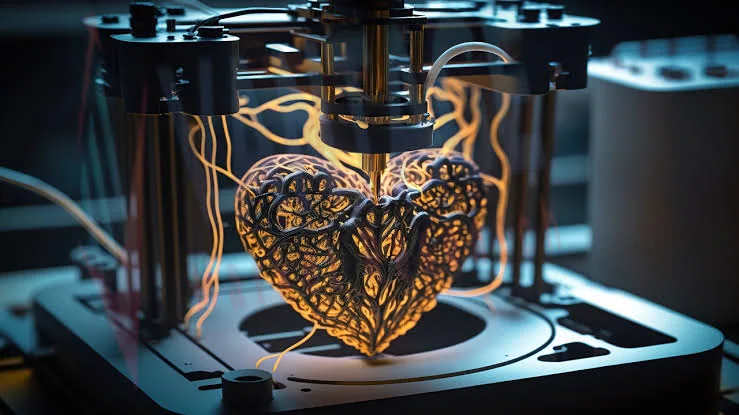
The potential of 3D printing in healthcare is limitless, and we’ve barely scratched the surface.
3D-Printed Organs: The dream of fully functional, 3D-printed organs is becoming more achievable every day. With continuous advancements in bio-ink technology, the future could bring about a world where organ failure is no longer a death sentence.
On-Demand Prosthetics: Imagine a world where a patient could walk into a clinic and have their prosthetic printed on the spot, tailored to their exact needs and ready for use within hours.
Affordable Healthcare Solutions: As the cost of 3D printing continues to decrease, these life-changing devices could become more accessible to underserved populations globally.
Conclusion
3D printing in healthcare isn’t just a trend, it’s a revolution. From custom prosthetics that improve quality of life to the potential for printing organs that could save countless lives, the technology’s ability to tailor healthcare to individual patients is groundbreaking. While challenges remain, the benefits are undeniable.

Comments (0)
Be the first to comment on this article!
Share your thoughts and start the discussion.