Medical emergency? Call your local emergency number
First aid guides

Menu

Why BBL Surgery Has Become the Most Talked About Body Procedure Today

Why BBL Surgery Has Become the Most Talked About Body Procedure Today Cosmetic & plastic surgery 5 min read
Not yet medically reviewed. This page has not been checked by a qualified medical reviewer. Use it for general education only and confirm anything important with a healthcare professional. Written by GeoMed Editorial Team. Last updated 24 October 2026.
Every patient and hospital is different. Your surgical team will explain what applies to you, including the benefits, risks and alternatives, before asking for your consent.

A recent global cosmetic report revealed something striking fat-transfer butt enhancement has grown at a rate faster than almost any other aesthetic procedure in the last decade, and the trend shows no signs of slowing down. That number alone tells us something deeper is happening. People aren’t just chasing curves. They’re chasing confidence, body balance, and a sense of identity shaped by modern culture. I’ve watched the conversations around BBLs evolve from whispers to front-page discussions, and it’s fascinating how a single procedure has reshaped the beauty landscape so dramatically. The buzz isn’t random. It’s rooted in real, powerful reasons that many people don’t fully understand until they take a closer look. Let’s break it down with clarity, honesty, and real value!

The Rise of Body Customization and Personal Control

People want agency over their bodies more than ever, and that desire has pushed procedures like the BBL into the spotlight. It offers something unique reshaping your figure using your own fat, not implants. That alone makes the idea feel more natural and appealing. The procedure allows individuals to contour their waist, hips, and buttocks in one surgical plan, giving them control over their silhouette in a way traditional methods can’t match. When someone sees immediate body balance, their confidence shifts quickly, and that psychological effect is a big part of the global conversation.

The Influence of Social Media and Digital Culture

Social platforms have rewritten the rules of beauty. A single photo can reach thousands within minutes, and visual trends spread faster than ever before. The BBL surged because the “hourglass look” became ingrained in mainstream digital culture, not just celebrity spaces. Algorithms reward bold, symmetrical visuals, and users respond to what they see repeatedly. This doesn’t mean everyone wants exaggerated curves. It means people are more aware of their body shapes and more open to enhancing features they feel could boost their self-image. The online world magnified the appeal and made BBL one of the most discussed procedures globally.
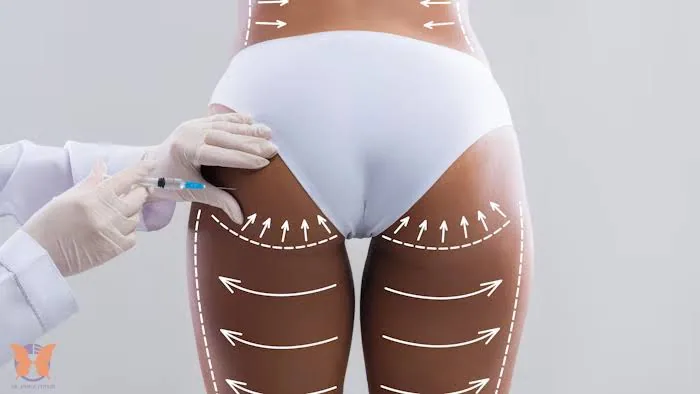
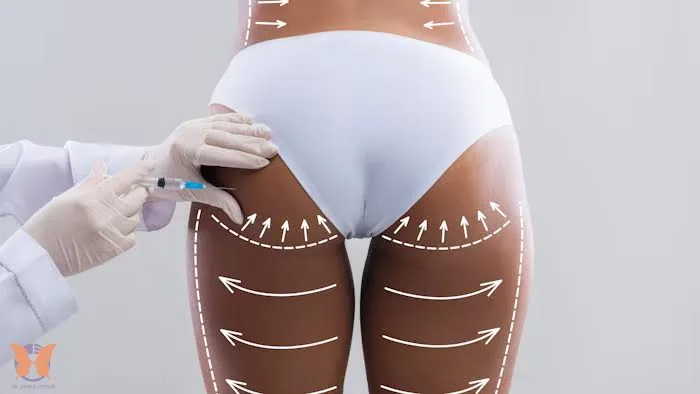
Why BBL Surgery Has Become the Most Talked About Body Procedure Today

A Shift Toward Natural Fat-Based Enhancement

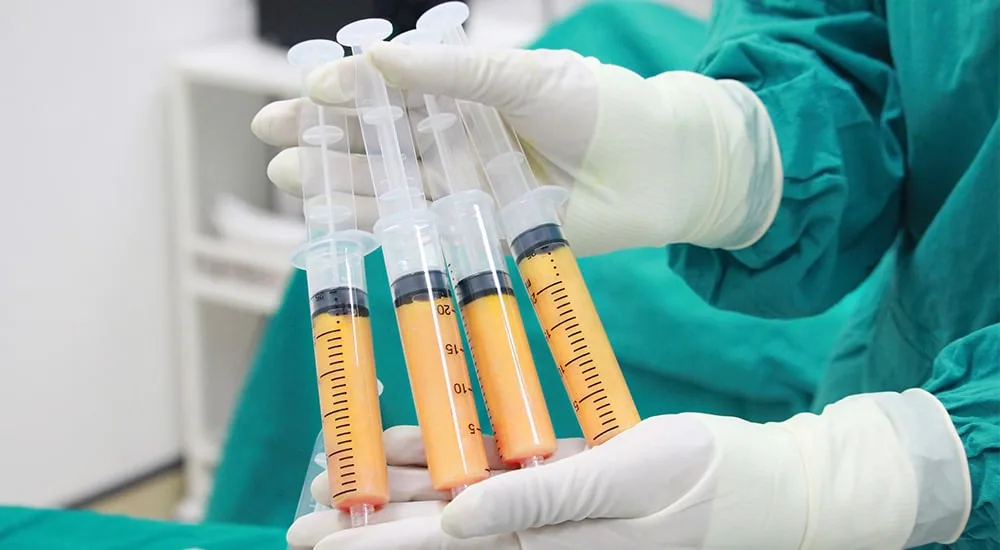
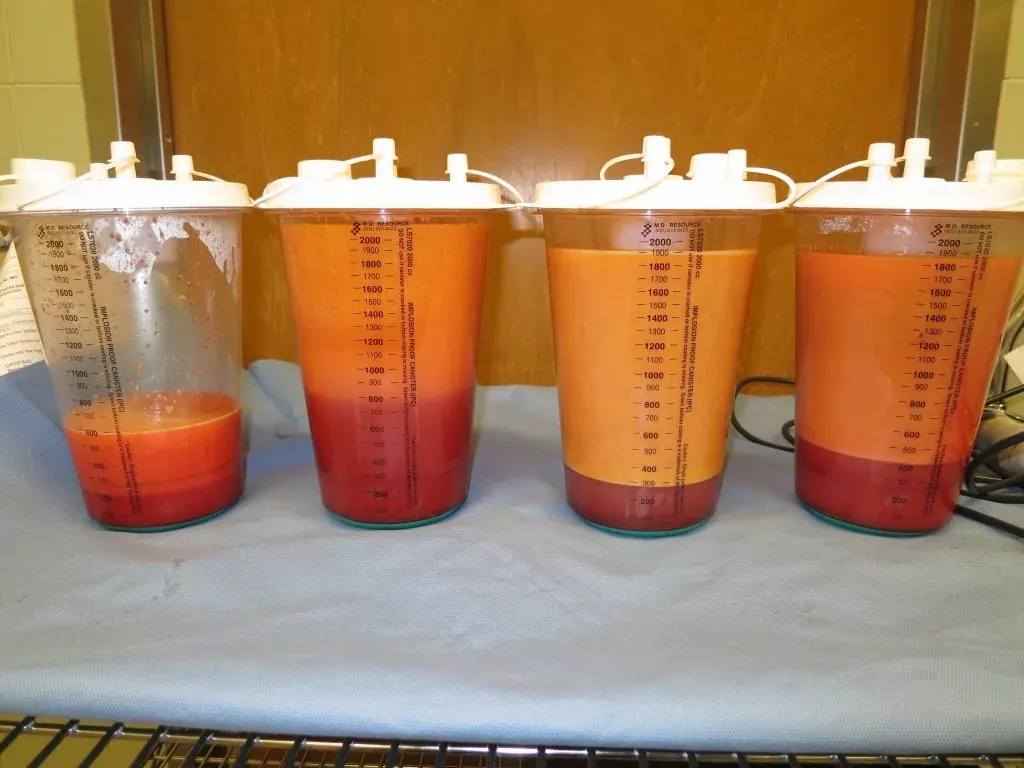
Many individuals feel more comfortable with a procedure that uses their own tissue rather than synthetic implants. A BBL removes stubborn fat from areas like the abdomen, flanks, and thighs, then transfers it to the buttocks. The dual benefit.slimming one area while enhancing another creates a dramatic yet natural effect. People appreciate this because it aligns with a larger health-conscious movement, where natural modification is preferred over artificial alternatives. When a technique delivers a natural look and leverages the body’s own resources, it becomes hard to ignore.

Improved Techniques and Higher Safety Awareness

Although the BBL sparked safety concerns years ago, surgical methods have evolved significantly. Many modern surgeons now use ultrasound guidance, which allows for precise fat placement and improved outcomes. Patients have also become more aware of what safe practice looks like, from choosing board-certified surgeons to understanding the anatomy of the gluteal region. This rise in public education has reduced risk and increased trust. More people are open to the idea because they understand how to approach it safely and responsibly.
Why BBL Surgery Has Become the Most Talked About Body Procedure Today

Psychological and Confidence-Driven Motivation

Body perception is linked deeply to self-esteem. When someone feels their shape doesn’t match their personality or identity, it can affect how they show up in the world. A successful BBL can create dramatic changes in posture, clothing confidence, and even social presence. Many people report feeling more proportional and balanced. These emotional benefits have fueled conversations around empowerment, not vanity. When a procedure changes how people carry themselves, it becomes a cultural talking point, not just a medical one.
Why BBL Surgery Has Become the Most Talked About Body Procedure Today

Accessibility and Increased Global Availability

BBL procedures are no longer limited to elite clinics or celebrity circles. More countries now offer specialized training, financing options, and accessible cosmetic centers. This accessibility means individuals from diverse backgrounds can explore enhancement options without overwhelming costs. As availability grows, so does awareness. When more people have access, more people talk and that conversation spreads rapidly across communities.

Read also: Ozempic: The Diabetes Drug That’s Making Waves in Weight Loss

What Readers Should Consider Before Choosing a BBL

Research the Surgeon’s Experience and Technique

Look for a surgeon with extensive training in gluteal fat grafting, a strong portfolio of before-and-after results, and transparent safety standards. Don’t be shy about asking how they ensure safe fat placement.

Have a Realistic Vision of Your Desired Outcome

Aim for a shape that suits your body structure. A personalized approach leads to better satisfaction and safer results.

Prepare for a Serious Recovery Period

Expect limitations on sitting, sleeping positions, and physical activity for several weeks. Following after-care instructions closely improves fat retention and final shape.

Understand the Long-Term Maintenance

Your final look depends on lifestyle. Weight changes, exercise habits, and dietary choices all affect your results.

Final Thoughts

The reason BBL surgery dominates conversations today is simple it represents a powerful blend of autonomy, culture, technology, and personal transformation. People aren’t just reshaping their bodies. They’re reshaping how they feel about themselves in a world where appearance and self-perception are tightly connected. As long as individuals seek confidence, balance, and body harmony, the BBL will remain one of the most talked-about procedures of our time. And honestly, the conversation is just getting started!
Image credits

  • Heading image: GeoMed

More Surgical procedures

View all
Why Doctors Prefer Suprapubic Catheters Over Regular Urinary Catheters in Some Cases Urology

Why Doctors Prefer Suprapubic Catheters Over Regular Urinary Catheters in Some Cases

Here's something most people don't realize: roughly one in four hospital patients needs a urinary catheter at some point during their stay. That's millions of people worldwide dealing with bladder drainage, and the decision about which type of catheter to use isn't just medical paperwork it can mean the difference between comfort and pain, between a smooth recovery and a serious infection. I've spent years examining catheterization strategies, and the truth is more nuanced than most healthcare discussions suggest. The traditional indwelling urethral catheter that familiar tube inserted through the urethra isn't always the best option. In fact, for certain patients, a suprapubic catheter might be significantly better. Let me explain why.

6 min read
See How Surgeons Use Metal Rods to Make a Woman 13 Inches Taller Orthopaedics & bone

See How Surgeons Use Metal Rods to Make a Woman 13 Inches Taller

Three feet, ten inches. That's where Chandler Crews stood when she was 16 years old. Born with achondroplasia the most common form of dwarfism she faced daily challenges most people never consider: reaching light switches, grabbing items from grocery shelves, even completing basic hygiene tasks. Then she made a decision that would change everything: she would undergo a series of surgeries to lengthen her limbs by more than a foot. This isn't science fiction. It's called limb lengthening surgery, and it's one of the most remarkable procedures in modern orthopedic medicine. What sounds like something from a medieval torture chamber surgeons literally sawing bones in half and pulling them apart with metal devices is actually a carefully controlled process that exploits your body's natural ability to regenerate bone. I've watched this procedure transform lives, and I'm going to show you exactly how it works, what it entails, and why some patients consider it life-changing while others view it as unnecessarily risky.

11 min read
Breaking Down the Science Behind Successful Artery Replacement Procedures Heart & vascular

Breaking Down the Science Behind Successful Artery Replacement Procedures

In Japan, cardiac surgeons achieve a staggering 99.1% feasibility rate in heart bypass surgery using pioneering guidance technology that eliminates the need for invasive procedures to harvest arterial grafts. Meanwhile, half a world away, American hospitals report that traditional coronary bypass operations maintain an overall success rate of nearly 98% across half a million procedures performed annually. These aren't just impressive statistics they represent a revolution in how we approach one of medicine's most challenging frontiers. I've spent decades watching arterial replacement surgery evolve from high-risk procedures with uncertain outcomes to precision interventions backed by robust science. The transformation has been remarkable, but the real story lies in understanding why some procedures succeed while others fail, and how emerging technologies are rewriting the rules of vascular surgery entirely.

6 min read
Discover the Warning Signs That May Lead to an Urgent Artery Replacement Heart & vascular

Discover the Warning Signs That May Lead to an Urgent Artery Replacement

Here's a statistic that should make your pulse quicken: 80-90% of patients who experience a ruptured abdominal aortic aneurysm die before they can even reach the hospital. The remaining survivors face emergency surgery with mortality rates hovering around 50-70%. Yet most of these catastrophic events could be prevented if people recognized the subtle warning signs their arteries were sending months or even years before disaster struck. I've witnessed too many cases where patients dismissed critical symptoms as "just getting older" or "probably nothing serious." By the time they reached my emergency department, we were racing against the clock to save not just their limb or their artery, but their life. The tragedy? Many of these emergencies announce themselves long before they become surgical catastrophes

6 min read