 The Science Behind Growing New Bone
Here's what happens inside your body during limb lengthening: surgeons create a controlled fracture. Then they use mechanical forces to slowly pull the bone segments apart, triggering something called distraction osteogenesis your body's natural bone healing response kicked into overdrive.
According to research published in JBJS, when bone segments are separated at approximately 1 millimeter per day, your body interprets the gap as a fracture that needs healing. Fresh bone tissue fills the space. Blood vessels grow into the gap. New bone mineralizes and hardens. It's essentially forcing your skeleton to regenerate itself, one millimeter at a time.
The technique exploits a principle that orthopedic surgeons have understood since Soviet physician Gavriil Ilizarov pioneered the method in the 1950s: bone has remarkable regenerative capacity when given the right conditions. Pull too fast, and the bone can't keep up you create a weak, non-healing gap. Pull too slowly, and the bone consolidates prematurely before reaching the desired length. That 1mm daily sweet spot? It's been validated through decades of clinical practice.
Two Paths to the Same Goal
Modern limb lengthening uses one of two main approaches, and the choice dramatically affects the patient experience.
External Fixators: The Visible Route
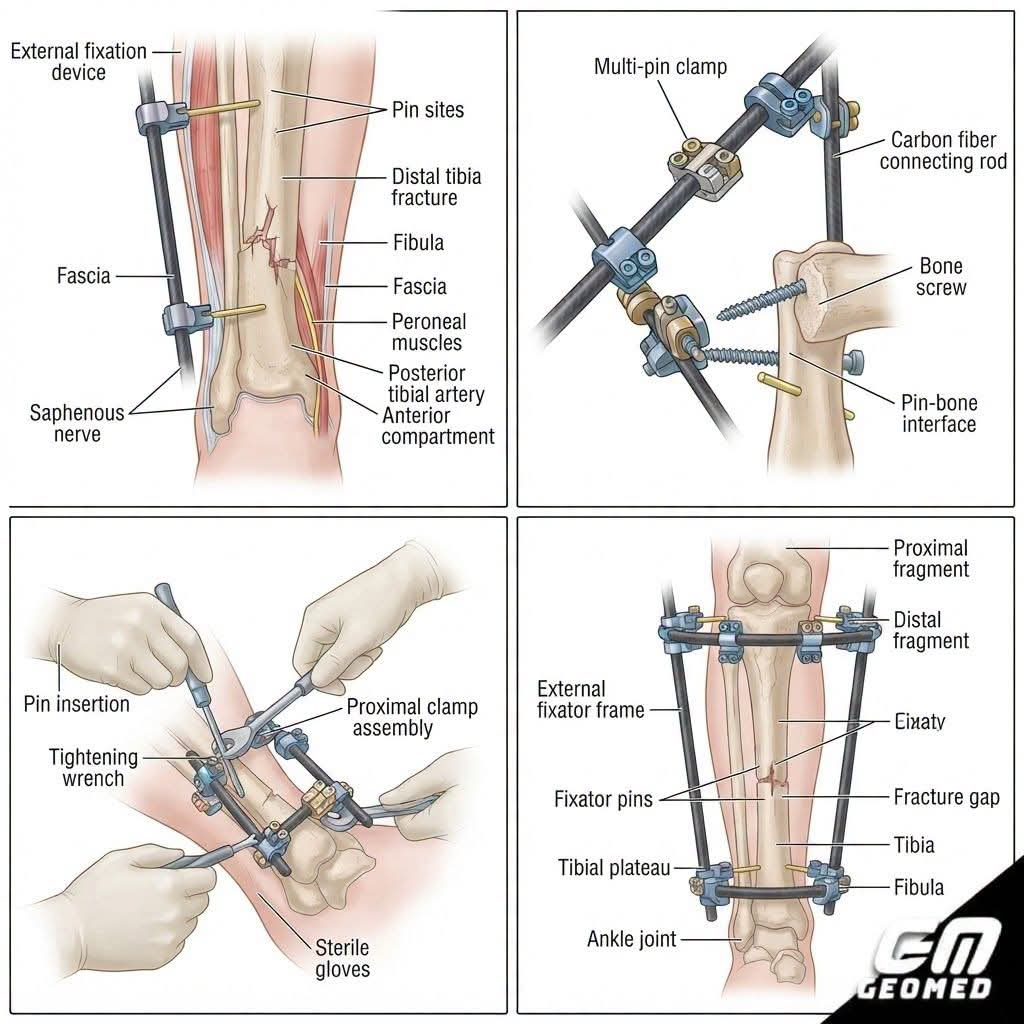
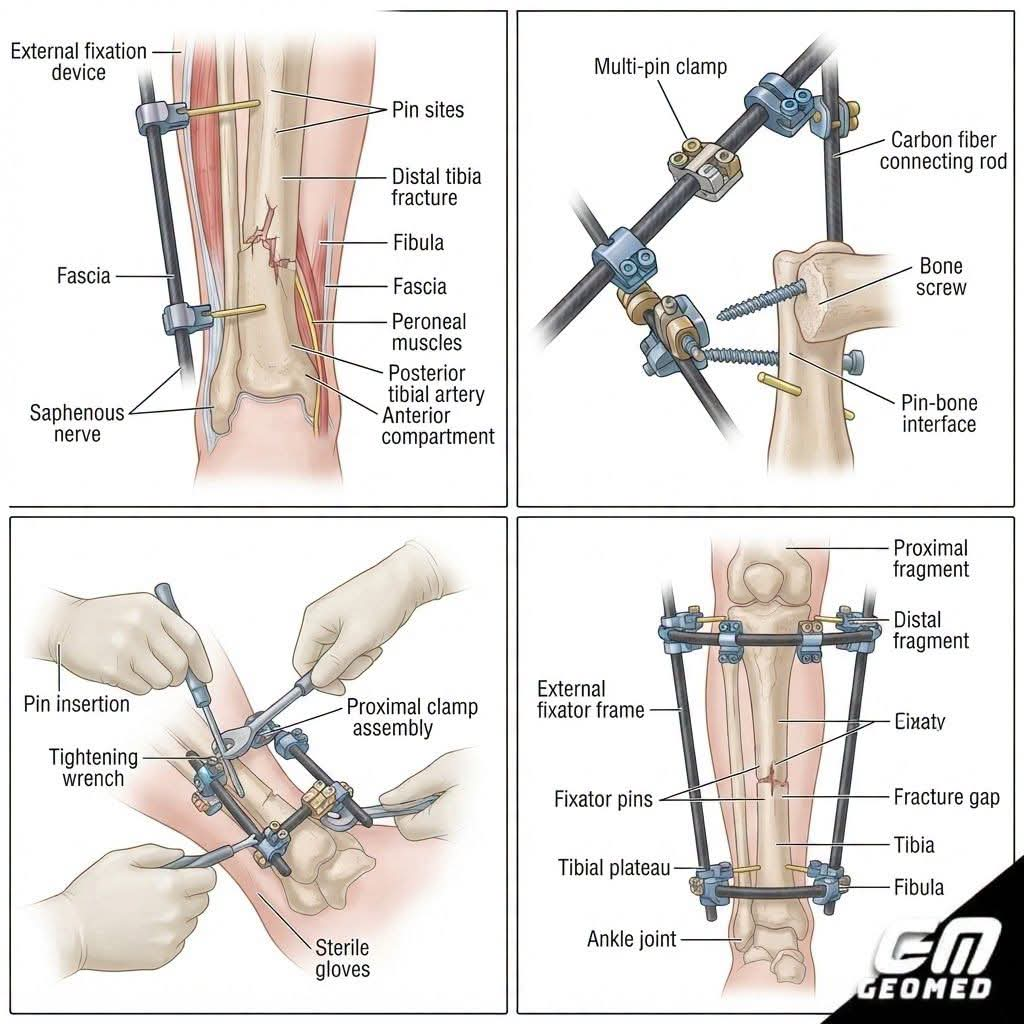
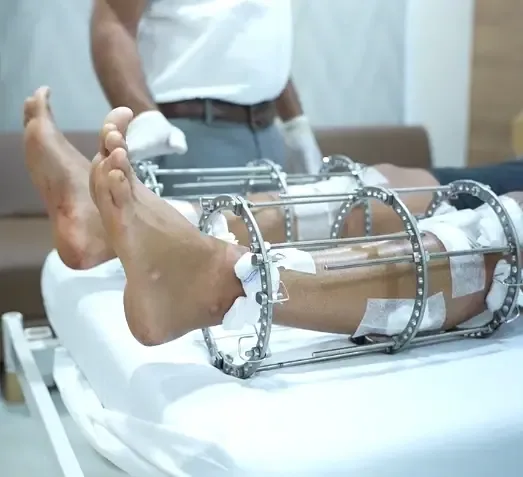
The classic Ilizarov method uses an external fixator a circular metal frame attached to the bone with pins or wires that pierce through the skin. Think of it as scaffolding on the outside of your leg. Patients (or family members) manually adjust the device multiple times daily using a wrench, slowly cranking the bone segments apart.
The BBC reported on patients who described the external fixator experience, and let's be honest it looks exactly as uncomfortable as it sounds. The metal frame sticks out several inches from your body. You can't wear normal clothes. Pin sites require daily cleaning to prevent infection. The device makes sleeping difficult and showering complicated.
But here's why surgeons still use them: external fixators allow real-time adjustments. If X-rays show the bone regenerating too slowly, the distraction rate can be modified. If complications arise, the device can be removed relatively easily. They're also significantly less expensive than internal devices.
Internal Rods: The Hidden Technology
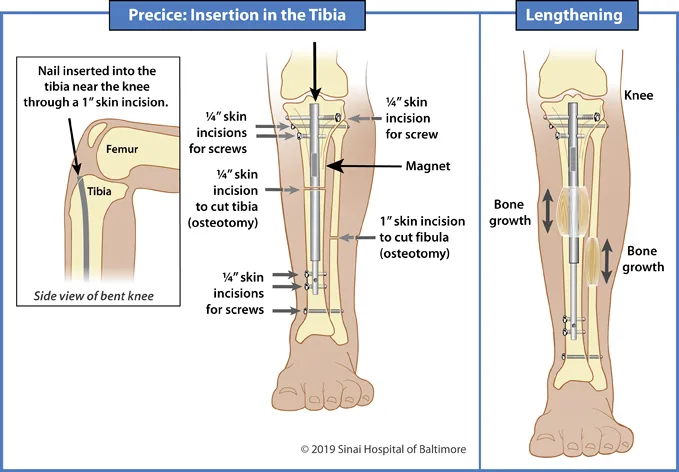
The game-changer arrived in 2011 when the FDA approved the PRECICE internal lengthening nail a telescoping rod surgically implanted inside the bone marrow cavity. This device is completely internal. No external hardware protruding from your body. No visible signs you're undergoing limb lengthening at all.
The PRECICE system uses magnetic technology: patients hold an external remote control device against their limb, which activates a magnet inside the implanted rod, causing it to gradually lengthen. The bone responds by filling the gap with new tissue, just as it would with external fixation.
Cleveland Clinic reports that patients can typically bear weight much sooner with internal devices often walking with crutches within weeks rather than months. The infection risk drops dramatically since there are no pins penetrating the skin. Recovery is generally faster and less painful.
The tradeoff? Cost. Internal devices can add $30,000-$50,000 to the procedure cost. And once they're implanted, adjustments are limited to what the device was designed to do.
The Reality of Chandler's Journey
Chandler Crews didn't just wake up one day 13 inches taller. Her journey spanned four years and multiple surgeries, starting when she was just 16 years old.
First came her legs. Surgeons operated on both femurs (thighbones) and tibias (shinbones), installing external fixators that she would adjust daily for months. Every single day for 90 days, Chandler turned a key on the metal rod outside her leg, which triggered the internal mechanism to lengthen by 1mm. That's 90mm about 3.5 inches per surgery.
The pain was significant. The limitations were extreme. She couldn't walk normally for months. But the bone kept growing.
Then came her arms. Another surgery, another set of external fixators, another months-long distraction phase. By the time her treatment concluded, Chandler had grown from 3 feet 10 inches to nearly 5 feet tall a total gain of approximately 13 inches across her legs and arms.
Research published in the Journal of ISAKOS found that patients with achondroplasia reported significantly improved quality of life following limb lengthening, particularly in activities most people take for granted: driving a car, brushing hair, toileting hygiene, reaching kitchen cabinets. These functional improvements went far beyond cosmetic concerns.
The Surgical Process: What Actually Happens
Let me walk you through what happens during limb lengthening surgery, because understanding the mechanics makes the recovery make sense.
Phase 1: The Osteotomy (Surgery Day)
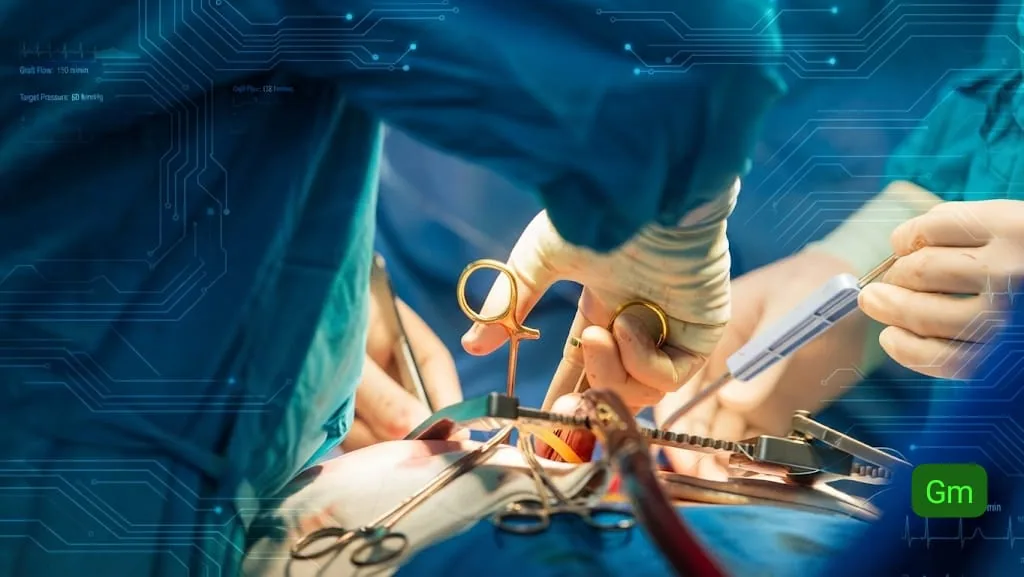
Under general anesthesia, the orthopedic surgeon makes a small incision and performs an osteotomy a controlled cut through the bone. This isn't a rough break; it's a precise surgical division that preserves the surrounding soft tissues, blood vessels, and nerves as much as possible.
The surgeon then installs either the external fixator or internal rod, securing it to both segments of bone. For external fixators, this means drilling pins through the skin and bone, then attaching them to the metal frame. For internal rods, the device is inserted into the bone marrow cavity and locked in place with screws.
The surgery itself typically takes 2-4 hours. Patients usually stay hospitalized for 3-5 days.
Phase 2: The Latency Period (Days 5-10)
Nothing happens mechanically during this week. The bone begins its initial healing response. Soft callus forms at the osteotomy site. Blood vessels start infiltrating the gap. Your body is preparing for the distraction phase.
Patients during this time focus on pain management, wound care, and preparing for what comes next.
Phase 3: Distraction (60-90 Days)
This is where the magic and the challenge happens. Cleveland Clinic's protocol describes the distraction phase as lasting approximately two months for every inch of desired length.
Every day, patients adjust their device. The bone segments separate by approximately 1mm. New bone tissue fills the gap. Soft tissues muscles, nerves, blood vessels, skin stretch gradually to accommodate the new length.
This is not comfortable. Patients consistently report daily pain, particularly in the muscles and soft tissues. Over-the-counter pain relievers help, but this phase requires significant pain tolerance and psychological resilience.
Physical therapy happens multiple times per week throughout distraction. Maintaining range of motion and muscle strength is critical if muscles atrophy or joints stiffen, the functional outcome deteriorates even if the bone lengthens successfully.
Phase 4: Consolidation (60-90 Days)
Once the desired length is achieved, distraction stops. But the device stays in place. The new bone tissue called the regenerate must mineralize and harden fully before the device can be removed.
Research in the Journal of Bone & Joint Surgery shows this consolidation phase typically requires three months per inch of lengthening. For someone who gained 2 inches, that's six months total with the device still attached.
X-rays monitor bone density during consolidation. Too much weight-bearing too soon can fracture the regenerate before it's fully hardened. Too little activity can delay healing.
Phase 5: Device Removal
Finally, after months of wearing the limb lengthening device, it comes out. For external fixators, this is relatively straightforward pins are removed, usually with local anesthesia. For internal rods, some patients choose to leave them permanently since removing them requires another surgery. Others have them taken out after 1-2 years once the bone has completely consolidated.
The Complication Reality Check
Let's talk about what can go wrong, because any honest discussion of limb lengthening must address risks.
A systematic review published in the Journal of Orthopaedic Surgery and Research identified common complications:
Pin-site infections occur in up to 30% of patients with external fixators. These range from minor skin irritations to serious bone infections requiring antibiotics or even surgical debridement.
Nerve damage can occur during surgery or during the distraction phase. Nerves must stretch along with other soft tissues, and sometimes they don't tolerate the tension. This can result in numbness, tingling, or in severe cases, permanent nerve dysfunction.
Joint contractures and stiffness develop when patients don't maintain aggressive physical therapy. Muscles and joints that aren't moved through their full range of motion during distraction can lose mobility permanently.
Delayed consolidation or non-union happens when the regenerate bone doesn't harden properly. This can require bone grafting or additional procedures to stimulate healing.
Fracture of regenerate can occur if patients bear weight too soon, before the new bone has mineralized sufficiently.
But here's the critical context: studies from major limb lengthening centers report success rates of 95% when performed by experienced surgeons. The key phrase there is "experienced surgeons." This is not a procedure you want from someone doing it occasionally. Centers like the International Center for Limb Lengthening at Sinai Hospital or the Hospital for Special Surgery in New York have dedicated teams performing hundreds of these procedures annually.
Who Actually Needs This?
There's a crucial distinction between medical necessity and cosmetic desire.
Medical indications include:
- Achondroplasia and other forms of skeletal dysplasia where limb length discrepancies cause functional impairments
- Post-traumatic limb length inequality after fractures that healed with shortening
- Congenital differences where one leg or arm is significantly shorter than the other
- Bone loss from infection or tumor removal requiring reconstruction
Research shows that patients with achondroplasia who undergo limb lengthening report significant improvements in activities of daily living not just cosmetic satisfaction, but genuine functional gains that improve quality of life.
Cosmetic lengthening for height increase in otherwise healthy individuals is controversial. Some clinics market limb lengthening to men who want to be taller for dating or career reasons. This raises ethical questions that the orthopedic community continues to debate: is subjecting healthy patients to months of pain, infection risk, and potential complications justified purely for height gain?
Most reputable orthopedic surgeons strongly caution against cosmetic limb lengthening unless patients understand the full scope of what they're undertaking.
The Bottom Line for Patients Considering This
If you're contemplating limb lengthening whether for medical necessity or cosmetic reasons here's what you need to know:
This is not a quick fix. From initial surgery to full recovery, you're looking at 12-18 months minimum. For extensive lengthening like Chandler's, multiple years.
Pain is guaranteed. This will hurt. Every day during distraction, you'll experience discomfort as tissues stretch. Pain tolerance varies, but no one sails through this comfortably.
Physical therapy is non-negotiable. Miss your PT sessions, and you risk permanent joint stiffness or muscle contractures that can't be reversed.
Choose your surgeon carefully. Find a fellowship-trained orthopedic surgeon who specializes in limb lengthening and performs the procedure regularly at a dedicated center. This is not the time to save money by going to a less experienced provider or traveling overseas to clinics with questionable credentials.
Read also: External fixation as a temporary bridge to permanent surgical bone repair
Understand the costs. In the United States, limb lengthening surgery can cost $75,000-$150,000 or more, depending on the device used and the extent of lengthening. Insurance may cover medically necessary procedures but typically won't cover cosmetic lengthening.
Set realistic expectations. Most protocols limit lengthening to about 3 inches per bone to minimize complication risks. Trying to gain more increases the chance of serious problems.
Chandler's Outcome
Fifteen years after her initial surgery, Chandler Crews is now in her early 30s and living independently. She drives. She works. She performs daily activities that were once difficult or impossible. She founded The Chandler Project, a nonprofit supporting individuals with skeletal dysplasia.
Was it worth four years of surgeries, pain, and rehabilitation? For Chandler, absolutely. She gained not just height, but independence and functional capacity.
But every patient's calculation is different. What one person considers life-changing, another might view as unnecessary suffering. There's no universal right answer.
What we can say definitively is this: limb lengthening surgery represents one of orthopedic medicine's most remarkable achievements the ability to quite literally grow new bone and reshape the skeleton. When performed appropriately by skilled surgeons for the right reasons, it can transform lives. When approached casually or performed poorly, it can lead to complications that last a lifetime.