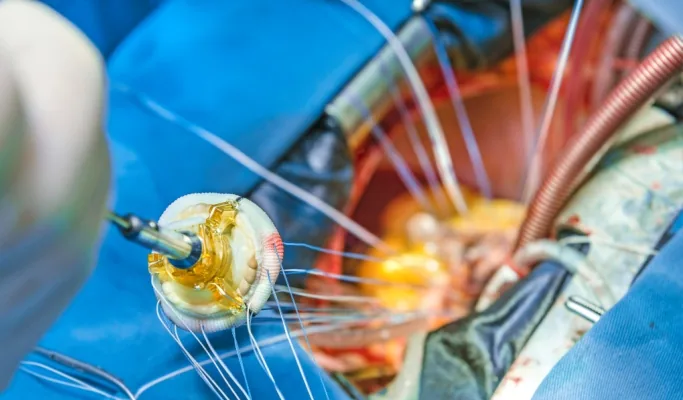
When Your Body's Highway System Starts Failing
Your arteries are like a sophisticated highway system, carrying life-sustaining blood to every corner of your body. When these highways begin to fail whether through blockage, weakening, or rupture your body sends out distress signals that are often subtle but always significant
Three critical conditions can lead to urgent arterial replacement: abdominal aortic aneurysms (AAAs), critical limb ischemia, and severe carotid artery stenosis. Each presents distinct warning signs that, when recognized early, can mean the difference between scheduled surgery and a life-threatening
emergency.
The Silent Killer in Your Abdomen: Abdominal Aortic Aneurysm
Your aorta is the body's main artery a massive vessel that carries oxygen-rich blood from your heart to the rest of your body. When a section of this vital highway develops a dangerous bulge (aneurysm), it creates a ticking time bomb in your abdomen.
The most deceptive aspect of AAAs? They're often completely silent.
However, when symptoms do appear, they demand immediate attention:
Deep, aching back or abdominal pain that doesn't improve with position changes or over-the-counter medications. This isn't your typical backache from poor posture or lifting something heavy. Patients describe it as a deep, gnawing sensation that seems to come from within.
A pulsating sensation in your abdomen, particularly when lying flat. If you can feel your heartbeat strongly in your belly especially if it's new or more pronounced than usual this warrants urgent evaluation Cleveland Clinic.
Sudden, severe abdominal or back pain that feels like being "torn apart from the inside." This could indicate a leaking or rupturing aneurysm a true surgical emergency requiring immediate 911 call.
The statistics are sobering: aneurysms smaller than 4 cm have essentially no rupture risk, but once they reach 5.5-6 cm, the annual rupture risk jumps to 3-15% PMC. At this size threshold, elective repair becomes crucial to prevent emergency situations.
When Your Limbs Cry Out for Blood: Critical Limb Ischemia
Critical limb ischemia represents the end stage of peripheral artery disease, where blood flow to your arms or legs becomes so restricted that tissue begins to die. This condition affects more than 10% of American adults and carries devastating consequences if not addressed urgently Cleveland Clinic.
The warning signs progress in a predictable pattern:
Severe pain in your feet or legs that worsens at rest, particularly at night. Unlike typical muscle cramps or arthritis pain, this ischemic pain often forces patients to hang their legs over the side of the bed or walk around to find relief. The pain occurs because your tissues are literally starving for oxygen.
Non-healing sores or wounds on your feet, toes, or legs that persist for weeks despite proper care. These wounds appear because your compromised circulation can't deliver the nutrients needed for healing.
Color changes in your extremities skin that appears shiny, smooth, or takes on a bluish, pale, or mottled appearance. Your toes or fingers may feel consistently cold compared to the rest of your body.
The "6 Ps" of acute limb ischemia represent surgical emergencies: Pain, Pulselessness, Pallor, Poikilothermia (coolness), Paresthesias (numbness), and Paralysis. If you experience multiple "Ps" simultaneously, call 911 immediately.
The prognosis without intervention is grim: within one year of developing critical limb ischemia, almost one in three people require amputation, and about one in four die from cardiovascular complications Cleveland Clinic.
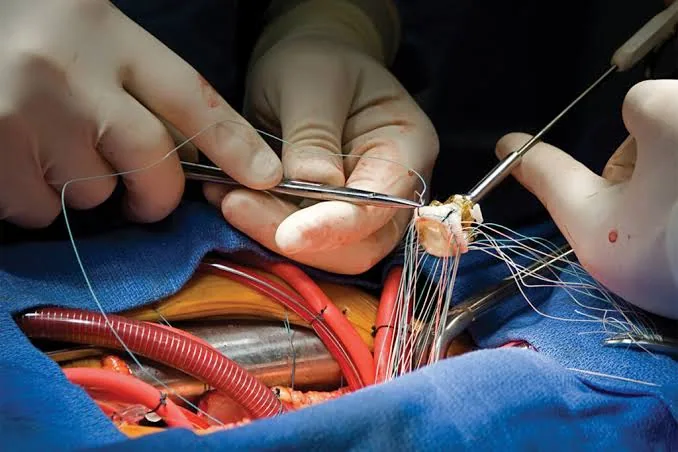
The Stroke Highway: Carotid Artery Stenosis
Your carotid arteries supply blood to your brain, making them perhaps the most critical arterial highways in your body. When these vessels become severely narrowed by plaque buildup, they can trigger strokes or worse, announce an impending stroke through warning episodes.
Transient ischemic attacks (TIAs), often called "mini-strokes," serve as crucial warning signs:
Sudden weakness or numbness, typically affecting one side of your body your face, arm, or leg may feel heavy, weak, or completely numb for minutes to hours.
Speech difficulties slurred speech, difficulty finding words, or trouble understanding others. You might know what you want to say but can't form the words correctly.
Vision problems sudden loss of vision in one eye (amaurosis fugax), double vision, or visual field cuts where part of your visual field goes dark.
Sudden dizziness or loss of balance, especially when combined with other symptoms. This isn't typical lightheadedness but a profound sense that the world is spinning or that you might fall.
The critical factor with carotid stenosis: symptoms are often the first and only warning before a major stroke. Unlike aneurysms that may remain asymptomatic for years, carotid disease frequently announces itself through these neurological warning shots.
The Life-or-Death Timeline: When to Act
Understanding the urgency of arterial emergencies can literally save your life:
Call 911 immediately if you experience:
-
Sudden, severe abdominal or back pain (possible aneurysm rupture)
-
Sudden loss of pulse, sensation, or movement in a limb (acute limb ischemia)
-
Any stroke symptoms, even if they resolve quickly (TIA)
Seek same-day medical evaluation for:
-
New, persistent abdominal or back pain with a pulsating sensation
-
Rest pain in your legs that's worsening
-
Non-healing wounds on your feet or legs
-
New weakness, numbness, or speech changes
Schedule urgent consultation within days for:
-
Progressive leg pain with walking (claudication)
-
New foot or leg color changes
-
Unexplained fatigue or shortness of breath (possible heart-related arterial disease)
The Prevention Prescription
The most effective treatment for arterial emergencies is preventing them altogether. Key strategies include:
Aggressive risk factor management: Control diabetes, high blood pressure, and cholesterol levels. These conditions accelerate arterial disease and increase rupture risk.
Smoking cessation: Tobacco use is the single most modifiable risk factor for arterial disease. Quitting smoking can halt disease progression and reduce emergency surgery risk.
Regular screening: Men over 65 who have ever smoked should receive AAA screening via abdominal ultrasound. Those with family history or multiple risk factors may need earlier screening.
Exercise therapy: Supervised walking programs can dramatically improve symptoms of peripheral artery disease and may delay the need for intervention.
The Bottom Line: Your Arteries Are Talking Are You Listening?
Emergency arterial replacement surgery comes with sobering statistics: 30-50% mortality for ruptured aneurysms, 20% mortality for acute limb ischemia, and significant stroke risk with carotid emergencies [various studies, 2024]. But here's the crucial point most of these emergencies are preventable through early recognition and intervention.
Your arteries don't suddenly fail overnight. They send warning signals through pain, color changes, numbness, and functional problems. The key is recognizing these symptoms not as inevitable signs of aging, but as urgent communications from your cardiovascular system.
Don't become another statistic. If you recognize any of these warning signs, take action immediately. Your life and your limbs may depend on it. In the world of arterial disease, time truly equals tissue, and tissue equals life