Medical emergency? Call your local emergency number
First aid guides

Menu

Motiva Breast Implants: A Safer, Natural Looking Breakthrough in Augmentation

Motiva Breast Implants: A Safer, Natural Looking Breakthrough in Augmentation Cosmetic & plastic surgery 5 min read
Not yet medically reviewed. This page has not been checked by a qualified medical reviewer. Use it for general education only and confirm anything important with a healthcare professional. Written by GeoMed Editorial Team. Last updated 24 October 2026.
Every patient and hospital is different. Your surgical team will explain what applies to you, including the benefits, risks and alternatives, before asking for your consent.

Confidence is the best outfit. Rock it and own it.” But for many, confidence comes from feeling comfortable in their own skin. Breast augmentation has long been one of the most sought-after cosmetic procedures, with over 1.6 million women worldwide undergoing the surgery each year. But not all implants are created equal. Enter Motiva Implants, the next generation of breast enhancement designed for a more natural look, safer outcomes, and improved long-term comfort. If you've been considering breast augmentation, you’ve probably come across the usual options: saline or silicone. But Motiva is changing the game. These implants adapt to your body's movement, feel incredibly soft, and reduce the risk of complications. The best part? They even allow for smaller incisions and minimal scarring. Let’s break down everything you need to know about Motiva Implants, the procedure, recovery, risks, and why they’re becoming the top choice for modern breast augmentation.

What Makes Motiva Implants Different?

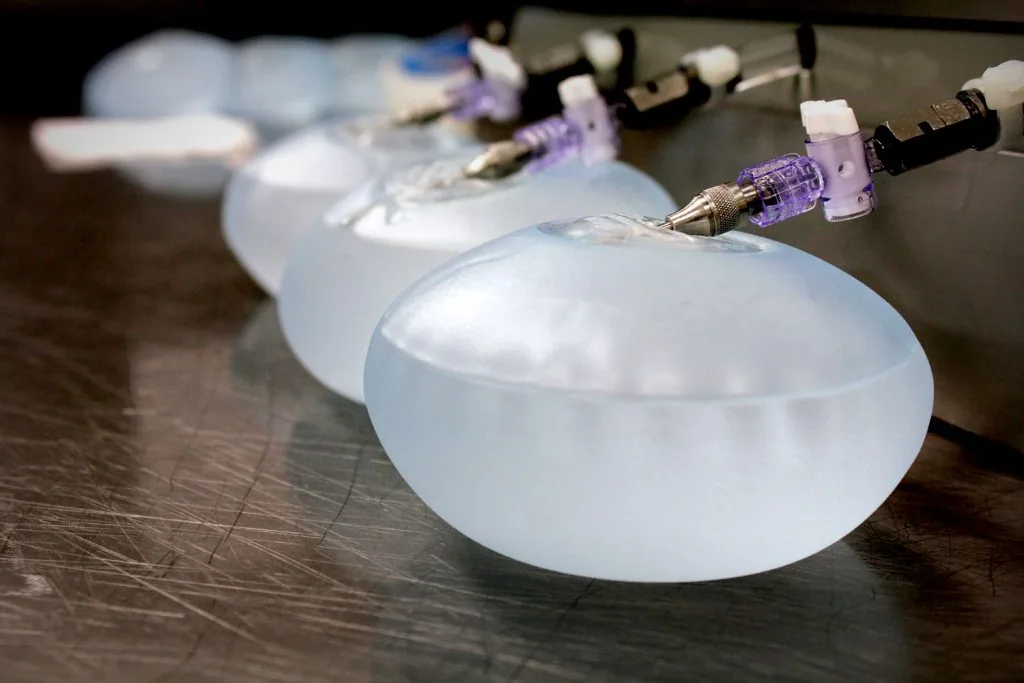
Traditional implants have been around for decades, but they come with their fair share of concerns unnatural feel, visible rippling, and complications like capsular contracture. Motiva changes that. These implants are designed with advanced silicone gel technology, meaning they adapt to gravity, motion, and body temperature. The result? A softer, more natural movement that looks and feels like real breast tissue.

Another game changer is Motiva’s NanoSurface Technology. This specially designed implant surface minimizes bacterial adhesion, which lowers the risk of infection and hardening (capsular contracture). Plus, the reinforced implant shell makes them more durable, reducing the chances of rupture or leakage.

Types of Motiva Implants

1. Motiva Ergonomix®

If you're looking for the most natural movement, this is it. Motiva Ergonomix implants are filled with a progressive gel that shifts when you move sitting upright, they stay perky; lying down, they settle naturally. This mimics the way real breast tissue behaves.

2. Motiva Round®

Prefer a fuller, more augmented look? Motiva Round implants give more upper pole volume, creating a rounder, lifted appearance. They still maintain a soft, natural feel but provide more projection and cleavage compared to Ergonomix.

3. Motiva Anatomical TrueFixation®

Designed for women undergoing breast reconstruction, these implants offer anatomical shaping to restore a natural breast contour after a mastectomy.

4. Motiva Hybrid®

For a customized look, Motiva Hybrid combines fat transfer with an implant, giving natural softness with enhanced projection. This is perfect for those who want a more tailored approach.

The Procedure: What to Expect

Consultation & Planning

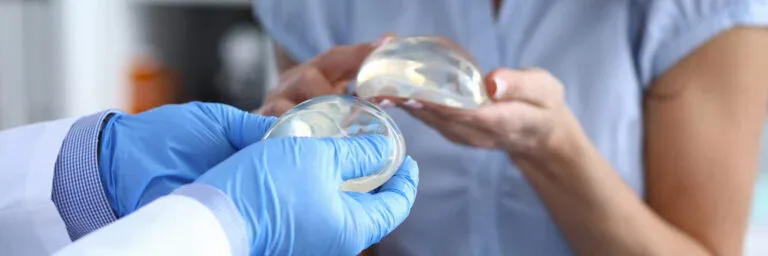
A skilled plastic surgeon will assess your breast tissue, chest structure, and body proportions to determine the best implant size and type. They may use 3D imaging technology to give you a preview of potential results.
Motiva Breast Implants: A Safer, Natural Looking Breakthrough in Augmentation

Pre-Surgical Preparation

  • Stop smoking at least two weeks before surgery to promote better healing.

  • Avoid blood-thinning medications like aspirin to reduce bleeding risks.

  • Stay hydrated and follow any dietary restrictions your surgeon recommends.

Surgery Day

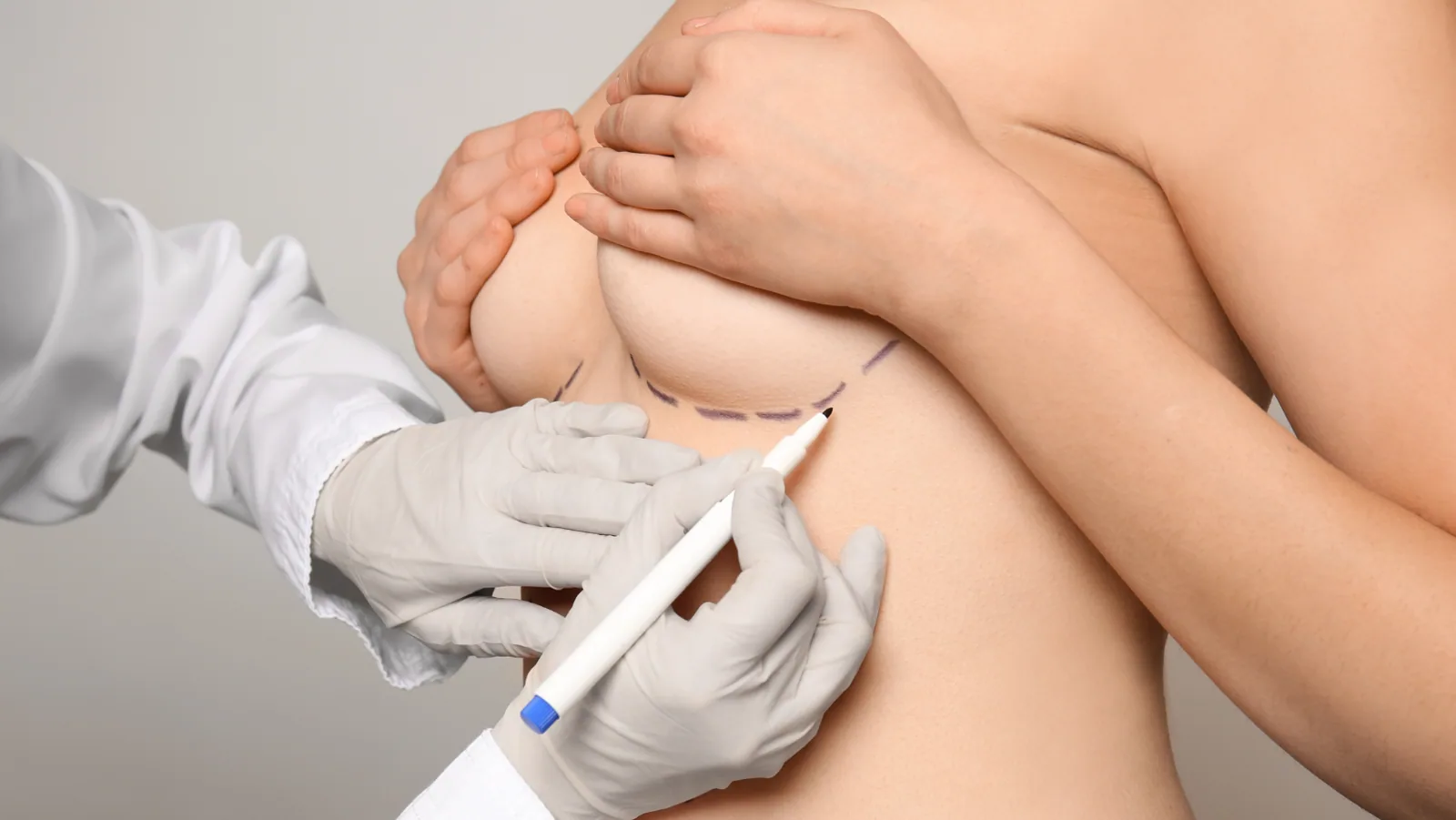
The procedure usually takes 1-2 hours under general anesthesia. A small incision (as little as 2.5 cm) is made usually in the inframammary fold (under the breast) or around the areola. The surgeon then inserts the implant using a specialized minimal-touch insertion sleeve, reducing contamination risk. Once placed, the incision is closed with dissolvable sutures, and you're on your way to recovery!
Motiva Breast Implants: A Safer, Natural Looking Breakthrough in Augmentation

Recovery & Aftercare: Healing the Right Way

First Few Days

Expect swelling, tightness, and mild discomfort that’s normal! Pain medication will help, and your surgeon will give you post-op care instructions. A compression bra will be needed to support healing.

Week 1-2

Most patients return to desk jobs within 7-10 days, but heavy lifting is off-limits for at least 4-6 weeks. Bruising and swelling start to subside.

Month 1-3

Your implants begin to settle into a natural position. Avoid strenuous workouts, but light walking is encouraged to boost circulation.

6 Months & Beyond

Final results are fully visible! Scars continue to fade, and your implants feel like a natural part of your body. Regular check-ups ensure everything is healing as expected.

Potential Risks & How Motiva Minimizes Them

No surgery is risk-free, but Motiva implants are designed to reduce common complications. Here’s what you need to know:

  1. Capsular Contracture (Hardening Around the Implant): Motiva’s NanoSurface Technology minimizes bacterial adhesion, lowering this risk.

  2. Implant Rupture: The reinforced implant shell makes these implants more durable than traditional ones.

  3. Scarring: With Motiva MinimalScar® Technology, incisions are smaller, meaning less visible scars over time.

  4. Asymmetry or Malposition: Choosing an experienced plastic surgeon is key to preventing these issues.

Regular ultrasound or MRI screenings ensure your implants remain intact over time.

Cost of Motiva Breast Augmentation

Pricing varies based on location, surgeon expertise, and implant type, but in general:

  • Motiva Augmentation: $5,000 - $12,000

  • Motiva Hybrid (Implants + Fat Transfer): $8,000 - $15,000

Many clinics offer financing plans, making it more accessible for those considering the procedure.

Who Is the Best Candidate for Motiva Implants?

If you want natural movement, advanced safety features, and long-lasting results, Motiva implants could be the perfect fit. You’re a good candidate if you:

  • Are in good overall health

  • Want a natural-looking augmentation

  • Have realistic expectations

  • Are not currently pregnant or breastfeeding

  • Are looking for a low-scar, advanced implant option

Final Thoughts: Is It Worth It?

Breast augmentation is a big decision, and choosing the right implant is key. Motiva Implants offer a modern approach to breast enhancement natural movement, minimal scarring, and enhanced safety. Whether you’re looking for subtle enhancement or a more dramatic change, Motiva provides customization and durability that stand out from the rest.

If you're considering breast augmentation, consult a board-certified plastic surgeon who specializes in Motiva. With the right expertise and the right implant, you can achieve beautiful, natural-looking results that align with your body and confidence goals.
Image credits

  • Heading image: GeoMed

More Surgical procedures

View all
Why Doctors Prefer Suprapubic Catheters Over Regular Urinary Catheters in Some Cases Urology

Why Doctors Prefer Suprapubic Catheters Over Regular Urinary Catheters in Some Cases

Here's something most people don't realize: roughly one in four hospital patients needs a urinary catheter at some point during their stay. That's millions of people worldwide dealing with bladder drainage, and the decision about which type of catheter to use isn't just medical paperwork it can mean the difference between comfort and pain, between a smooth recovery and a serious infection. I've spent years examining catheterization strategies, and the truth is more nuanced than most healthcare discussions suggest. The traditional indwelling urethral catheter that familiar tube inserted through the urethra isn't always the best option. In fact, for certain patients, a suprapubic catheter might be significantly better. Let me explain why.

6 min read
See How Surgeons Use Metal Rods to Make a Woman 13 Inches Taller Orthopaedics & bone

See How Surgeons Use Metal Rods to Make a Woman 13 Inches Taller

Three feet, ten inches. That's where Chandler Crews stood when she was 16 years old. Born with achondroplasia the most common form of dwarfism she faced daily challenges most people never consider: reaching light switches, grabbing items from grocery shelves, even completing basic hygiene tasks. Then she made a decision that would change everything: she would undergo a series of surgeries to lengthen her limbs by more than a foot. This isn't science fiction. It's called limb lengthening surgery, and it's one of the most remarkable procedures in modern orthopedic medicine. What sounds like something from a medieval torture chamber surgeons literally sawing bones in half and pulling them apart with metal devices is actually a carefully controlled process that exploits your body's natural ability to regenerate bone. I've watched this procedure transform lives, and I'm going to show you exactly how it works, what it entails, and why some patients consider it life-changing while others view it as unnecessarily risky.

11 min read
Breaking Down the Science Behind Successful Artery Replacement Procedures Heart & vascular

Breaking Down the Science Behind Successful Artery Replacement Procedures

In Japan, cardiac surgeons achieve a staggering 99.1% feasibility rate in heart bypass surgery using pioneering guidance technology that eliminates the need for invasive procedures to harvest arterial grafts. Meanwhile, half a world away, American hospitals report that traditional coronary bypass operations maintain an overall success rate of nearly 98% across half a million procedures performed annually. These aren't just impressive statistics they represent a revolution in how we approach one of medicine's most challenging frontiers. I've spent decades watching arterial replacement surgery evolve from high-risk procedures with uncertain outcomes to precision interventions backed by robust science. The transformation has been remarkable, but the real story lies in understanding why some procedures succeed while others fail, and how emerging technologies are rewriting the rules of vascular surgery entirely.

6 min read
Discover the Warning Signs That May Lead to an Urgent Artery Replacement Heart & vascular

Discover the Warning Signs That May Lead to an Urgent Artery Replacement

Here's a statistic that should make your pulse quicken: 80-90% of patients who experience a ruptured abdominal aortic aneurysm die before they can even reach the hospital. The remaining survivors face emergency surgery with mortality rates hovering around 50-70%. Yet most of these catastrophic events could be prevented if people recognized the subtle warning signs their arteries were sending months or even years before disaster struck. I've witnessed too many cases where patients dismissed critical symptoms as "just getting older" or "probably nothing serious." By the time they reached my emergency department, we were racing against the clock to save not just their limb or their artery, but their life. The tragedy? Many of these emergencies announce themselves long before they become surgical catastrophes

6 min read