Medical emergency? Call your local emergency number
First aid guides

Menu

Facelifts vs Mini Facelifts: What’s Right for Your Skin and Age?

Facelifts vs Mini Facelifts: What’s Right for Your Skin and Age? Cosmetic & plastic surgery 4 min read
Not yet medically reviewed. This page has not been checked by a qualified medical reviewer. Use it for general education only and confirm anything important with a healthcare professional. Written by GeoMed Editorial Team. Last updated 24 October 2026.
Every patient and hospital is different. Your surgical team will explain what applies to you, including the benefits, risks and alternatives, before asking for your consent.

Aging is a natural process, but for many, the visible signs of aging such as sagging skin, deep wrinkles, and loss of facial volume can impact confidence and self-image. Facelifts and mini facelifts have become popular solutions for individuals looking to restore a youthful appearance without excessive downtime. These procedures have evolved significantly, offering more natural results with advanced techniques. In this article, we will explore what facelifts and mini facelifts are, their benefits, who can consider them, and what to expect from the procedure.

What is a Facelift?

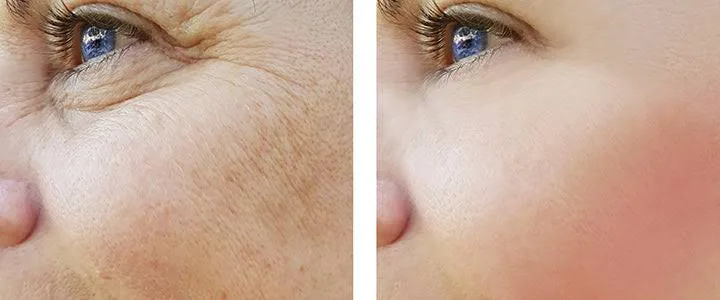
A facelift, or rhytidectomy, is a surgical procedure designed to tighten and lift sagging skin on the face and neck. It addresses deep wrinkles, loose skin, and lost facial volume by repositioning underlying tissues and removing excess skin. Traditional facelifts focus on the lower face and neck, enhancing the jawline and reducing the appearance of jowls and sagging cheeks.

Modern techniques, such as the deep plane facelift, allow for more natural results by adjusting deeper facial structures rather than just tightening the skin. This approach prevents the overly "pulled" look that was once common in early facelift procedures.

What is a Mini Facelift?

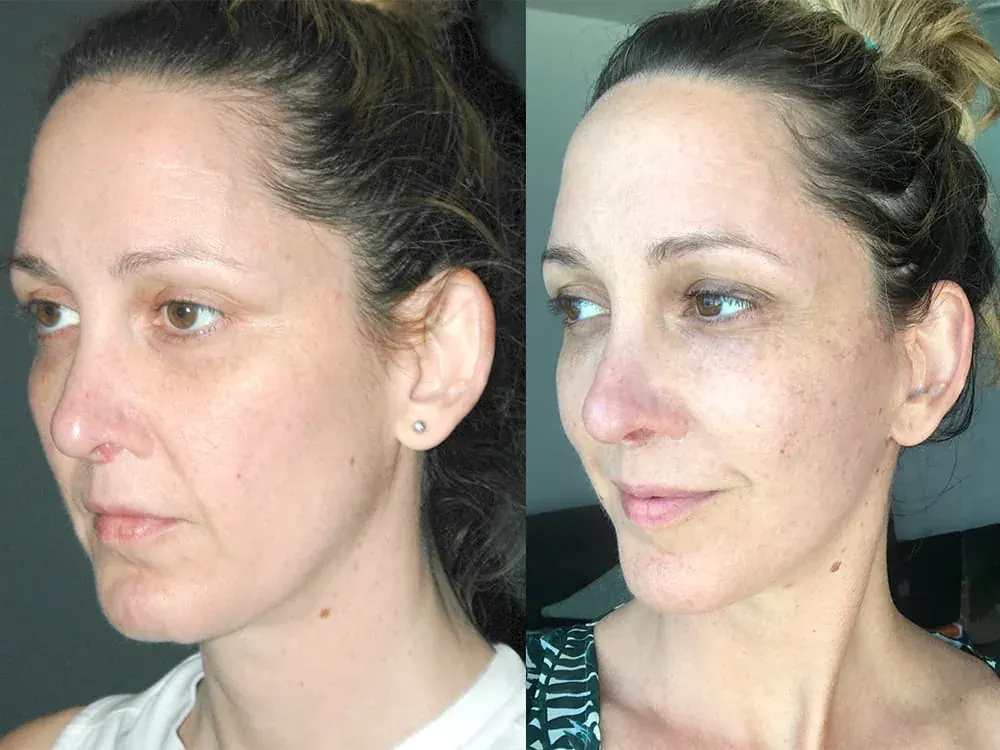
A mini facelift is a less invasive version of a traditional facelift. It is often called a "weekend facelift" because of its shorter recovery time. This procedure is ideal for individuals with mild to moderate skin laxity who want subtle but effective results.
Facelifts vs Mini Facelifts: What’s Right for Your Skin and Age?

Unlike a full facelift, which involves extensive incisions and tissue repositioning, a mini facelift uses smaller incisions around the ears and along the hairline. The surgeon lifts and tightens the skin, enhancing the jawline and reducing early jowls. Because it is less invasive, patients typically experience minimal scarring and faster healing.

Benefits of Facelifts and Mini Facelifts

Restores a Youthful Appearance – By tightening loose skin and redefining facial contours, these procedures provide a refreshed and more youthful look.

  1. Long-Lasting Results – While non-surgical treatments like fillers offer temporary results, facelifts provide lasting improvements for 10–15 years.

  2. Natural-Looking Enhancements – Advanced techniques ensure that results appear natural rather than overly tight or artificial.

  3. Boosts Confidence – Many patients report feeling more confident and satisfied with their appearance after the procedure.

  4. Minimally Invasive Options Available – Mini facelifts allow younger patients to maintain a youthful appearance with minimal downtime.
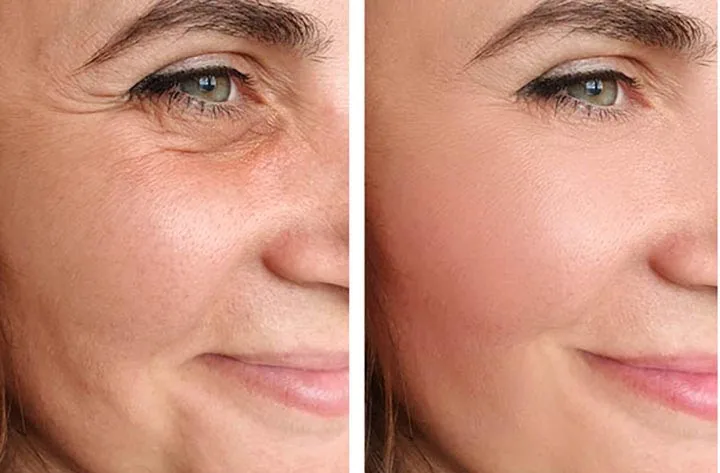
Facelifts vs Mini Facelifts: What’s Right for Your Skin and Age?

Who is a Good Candidate?

Ideal candidates for facelifts or mini facelifts include individuals who:

  • Have sagging skin, deep wrinkles, or jowls.

  • Are in good general health without serious medical conditions.

  • Have realistic expectations about the outcome.

  • Are non-smokers or willing to quit before and after surgery to promote healing.

  • Want a long-term solution rather than temporary cosmetic treatments.

What to Expect During the Procedure

1. Consultation

A board-certified plastic surgeon evaluates your facial structure, skin condition, and goals to determine the best approach. They will discuss surgical options, expected results, and recovery time.

2. Surgery

The procedure is performed under local or general anesthesia, depending on the extent of the surgery. Small incisions are made around the ears or hairline, and the underlying tissue is repositioned for a smoother, lifted appearance. Excess skin is removed before closing the incisions.

3. Recovery

  • Swelling and bruising are common for the first few weeks.

  • Stitches are typically removed within a week.

  • Most patients return to work within 1–2 weeks for a mini facelift and about 3–4 weeks for a full facelift.

  • Full results are visible once swelling subsides, usually within a few months.

Are There Risks?

Like any surgical procedure, facelifts and mini facelifts carry some risks, including infection, scarring, nerve damage, or uneven results. However, choosing a skilled and experienced surgeon minimizes these risks significantly. Proper post-operative care, such as avoiding strenuous activities, following prescribed medications, and keeping the skin hydrated, can also improve healing outcomes.

Additionally, some individuals may combine facelifts with other procedures, such as eyelid surgery or fat grafting, to achieve a more balanced and youthful look. This combination approach allows for a more comprehensive facial rejuvenation tailored to individual needs.

Cost and Considerations

The cost of facelifts and mini facelifts varies depending on the surgeon's experience, location, and the complexity of the procedure. While a mini facelift typically costs less than a full facelift, both procedures represent an investment in long-term aesthetic improvements. Many clinics offer financing options to make the procedure more accessible.

Conclusion

Facelifts and mini facelifts offer effective, long-term solutions for individuals seeking to rejuvenate their appearance. Advances in surgical techniques have made these procedures safer, more natural-looking, and with shorter recovery times. If you’re considering a facelift, consult a qualified plastic surgeon to explore the best approach for your aesthetic goals. Remember, aging is a natural process, and cosmetic procedures should enhance your confidence, not change who you are.
Image credits

  • Heading image: GeoMed

More Surgical procedures

View all
Why Doctors Prefer Suprapubic Catheters Over Regular Urinary Catheters in Some Cases Urology

Why Doctors Prefer Suprapubic Catheters Over Regular Urinary Catheters in Some Cases

Here's something most people don't realize: roughly one in four hospital patients needs a urinary catheter at some point during their stay. That's millions of people worldwide dealing with bladder drainage, and the decision about which type of catheter to use isn't just medical paperwork it can mean the difference between comfort and pain, between a smooth recovery and a serious infection. I've spent years examining catheterization strategies, and the truth is more nuanced than most healthcare discussions suggest. The traditional indwelling urethral catheter that familiar tube inserted through the urethra isn't always the best option. In fact, for certain patients, a suprapubic catheter might be significantly better. Let me explain why.

6 min read
See How Surgeons Use Metal Rods to Make a Woman 13 Inches Taller Orthopaedics & bone

See How Surgeons Use Metal Rods to Make a Woman 13 Inches Taller

Three feet, ten inches. That's where Chandler Crews stood when she was 16 years old. Born with achondroplasia the most common form of dwarfism she faced daily challenges most people never consider: reaching light switches, grabbing items from grocery shelves, even completing basic hygiene tasks. Then she made a decision that would change everything: she would undergo a series of surgeries to lengthen her limbs by more than a foot. This isn't science fiction. It's called limb lengthening surgery, and it's one of the most remarkable procedures in modern orthopedic medicine. What sounds like something from a medieval torture chamber surgeons literally sawing bones in half and pulling them apart with metal devices is actually a carefully controlled process that exploits your body's natural ability to regenerate bone. I've watched this procedure transform lives, and I'm going to show you exactly how it works, what it entails, and why some patients consider it life-changing while others view it as unnecessarily risky.

11 min read
Breaking Down the Science Behind Successful Artery Replacement Procedures Heart & vascular

Breaking Down the Science Behind Successful Artery Replacement Procedures

In Japan, cardiac surgeons achieve a staggering 99.1% feasibility rate in heart bypass surgery using pioneering guidance technology that eliminates the need for invasive procedures to harvest arterial grafts. Meanwhile, half a world away, American hospitals report that traditional coronary bypass operations maintain an overall success rate of nearly 98% across half a million procedures performed annually. These aren't just impressive statistics they represent a revolution in how we approach one of medicine's most challenging frontiers. I've spent decades watching arterial replacement surgery evolve from high-risk procedures with uncertain outcomes to precision interventions backed by robust science. The transformation has been remarkable, but the real story lies in understanding why some procedures succeed while others fail, and how emerging technologies are rewriting the rules of vascular surgery entirely.

6 min read
Discover the Warning Signs That May Lead to an Urgent Artery Replacement Heart & vascular

Discover the Warning Signs That May Lead to an Urgent Artery Replacement

Here's a statistic that should make your pulse quicken: 80-90% of patients who experience a ruptured abdominal aortic aneurysm die before they can even reach the hospital. The remaining survivors face emergency surgery with mortality rates hovering around 50-70%. Yet most of these catastrophic events could be prevented if people recognized the subtle warning signs their arteries were sending months or even years before disaster struck. I've witnessed too many cases where patients dismissed critical symptoms as "just getting older" or "probably nothing serious." By the time they reached my emergency department, we were racing against the clock to save not just their limb or their artery, but their life. The tragedy? Many of these emergencies announce themselves long before they become surgical catastrophes

6 min read