What is a Beard Transplant?
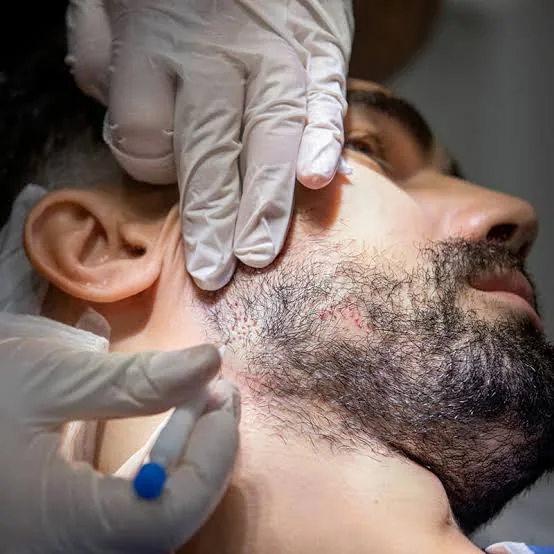
A beard transplant is a cosmetic procedure that involves taking hair follicles from the back of your scalp and implanting them into your beard area. Unlike temporary solutions, this is permanent. The transplanted follicles grow like natural facial hair, meaning you can shave, trim, and style them just like the rest of your beard.
This procedure is ideal for men who have patchy or uneven beard growth, cannot grow a beard due to genetics or medical conditions, or want to enhance their beard density or shape. It is also beneficial for individuals with facial scars that prevent hair growth. A well-executed beard transplant blends seamlessly with your existing facial hair, creating a natural, full look that lasts a lifetime.
Types of Beard Transplant Techniques
1. Follicular Unit Extraction (FUE)
This is the most advanced and preferred technique for beard transplants. Hair follicles are individually extracted from the donor area (usually the back of the head) using a tiny, specialized tool. These follicles are then strategically implanted into the beard area, following the natural direction of hair growth.
The main advantage of FUE is that it does not leave a linear scar, unlike older methods. It also offers a faster recovery time and more natural-looking results, as each hair is placed with precision.
2. Follicular Unit Transplantation (FUT)
This older technique involves removing a strip of scalp from the back of the head, dissecting it into individual follicular units, and transplanting them into the beard area. While effective, it leaves a linear scar on the scalp, making it less desirable for those who prefer short haircuts.
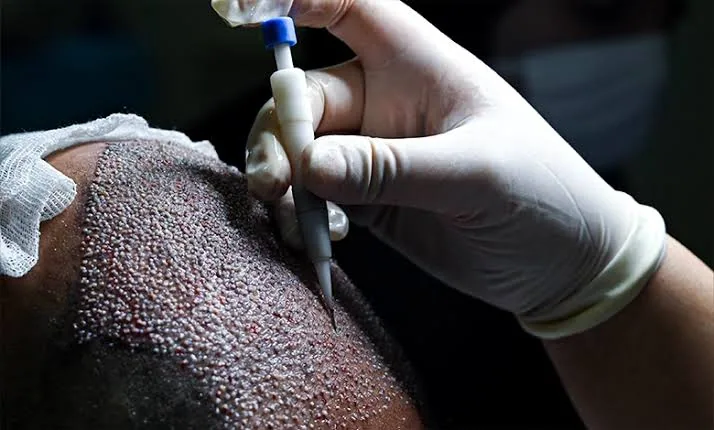
FUT is still used in cases where a large number of grafts are needed in one session. However, for most patients, FUE is the better option due to its minimal scarring and quicker recovery.
Who is a Good Candidate for a Beard Transplant?
Not every man is an ideal candidate for a beard transplant. The best candidates are those who have healthy donor hair at the back of their head, as this hair is essential for the transplant process.
Additionally, men who have patchy or thin beard growth due to genetics, scarring, or medical conditions can benefit from the procedure. It is also important that candidates are in good overall health, as certain medical conditions, like uncontrolled diabetes or autoimmune disorders, may affect healing.
Having realistic expectations is crucial. While a beard transplant can significantly enhance beard density, it may not transform someone with no facial hair into a person with a naturally thick beard overnight. The process takes time, and final results typically appear after 9-12 months.
The Procedure: What to Expect
Consultation & Planning
The first step in a beard transplant is a detailed consultation with a hair restoration specialist. During this session, the doctor will assess your donor hair density, facial structure, and skin condition. They will also discuss your beard goals and create a design that suits your face shape.
Harvesting the Hair Follicles
Once the plan is set, the procedure begins with extracting hair follicles from the donor area, usually the back of the scalp. If using the FUE technique, the surgeon will carefully extract individual follicles using a micro-punch tool. This step typically takes 2-4 hours, depending on how many grafts are needed.
Implanting the Follicles
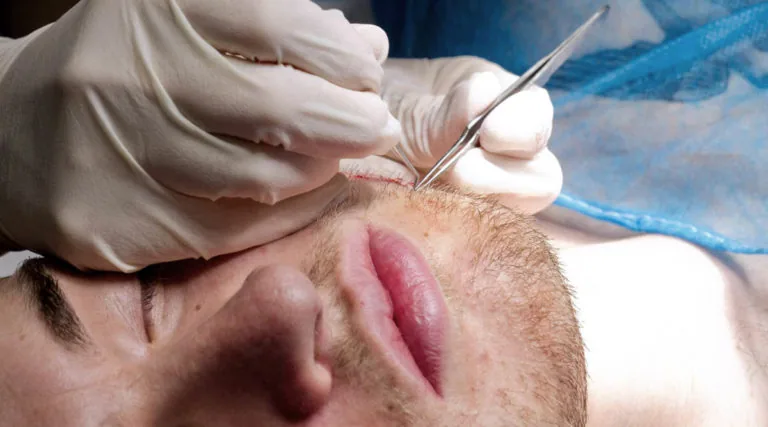
After extraction, the follicles are meticulously implanted into the beard area. The surgeon follows the natural direction of your beard growth to ensure a realistic appearance. This stage can take another 4-6 hours, as precision is key to achieving a natural, well-blended result.
Recovery Begins
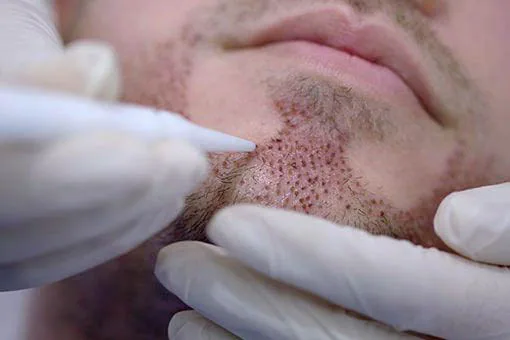
Immediately after the transplant, patients may experience mild redness, swelling, and tiny scabs in the treated area. These effects fade within a week, and the initial healing phase is usually complete within 10-14 days.
Recovery & Aftercare
Week 1
The first week after the procedure is crucial for healing. Expect mild swelling, redness, and small scabs around the implanted hair follicles. Patients should avoid touching or scratching the area and follow their surgeon’s aftercare instructions carefully.
Week 2-3
During this time, the shock loss phase begins. The transplanted hairs shed, which can be alarming but is completely normal. This is a temporary phase as the hair follicles prepare for new growth.
Month 3-6
New hair growth begins to appear, though it may start as thin and light strands. Over time, the hair thickens and darkens, gradually filling in the beard area.
Month 9-12
By this stage, the final results are visible. The new beard is fully grown, allowing for normal trimming, shaving, and styling.
Cost of a Beard Transplant
The cost of a beard transplant varies depending on factors such as the number of grafts needed, the clinic’s location, and the surgeon’s expertise. On average, prices range from:
$2,000 - $4,000 for small patches (e.g., sideburns or mustache areas)
$5,000 - $12,000 for full beard restoration
Many clinics offer financing options, making the procedure more accessible to those interested.
Are There Any Risks?
Like any medical procedure, a beard transplant carries some risks, but they are rare when performed by an experienced surgeon. The most common side effects include temporary swelling, redness, and mild discomfort in the treated areas.
Other potential issues include ingrown hairs, minor infections, or slight uneven growth, but these are generally manageable with proper aftercare. Choosing a board-certified, skilled surgeon significantly reduces these risks.
Final Thoughts: Is a Beard Transplant Worth It?
For men who have struggled with patchy or thin beard growth, a beard transplant can be a life-changing solution. It provides permanent, natural-looking results and allows men to finally achieve the full, well-groomed beard they’ve always wanted.
The key to success? Choosing an experienced surgeon who understands beard aesthetics. With the right expertise, you’ll get seamless, natural results that enhance your facial features and confidence.
If you’re tired of uneven facial hair and want a beard that actually grows, a beard transplant might be the best investment you’ll ever make.