Medical emergency? Call your local emergency number
First aid guides

Menu

Mammograms: The Scan That Could Save Your Life

Mammograms: The Scan That Could Save Your Life Imaging & scans 3 min read
Not yet medically reviewed. This page has not been checked by a qualified medical reviewer. Use it for general education only and confirm anything important with a healthcare professional. Written by GeoMed Editorial Team. Last updated 24 October 2026.
Laboratory results must be interpreted by a healthcare professional in the context of your symptoms, history and other tests. Reference ranges differ between laboratories, so always use the range printed on your own report.

One in eight women will develop breast cancer in their lifetime." That’s a statistic no one wants to be part of, but here’s the good news: early detection saves lives. A mammogram isn’t just another medical test. It’s a powerful tool that can detect breast cancer years before a lump can be felt. It’s quick. It’s safe. And it can make all the difference. Yet, many women put off getting screened, sometimes out of fear, sometimes because they’re "too busy." But here’s the truth: a mammogram takes just 15 minutes and could save years of your life. Let’s talk about why it matters, what to expect, and how to make the process easier.

What Is a Mammogram, and Why Does It Matter?

Think of a mammogram like a high-definition security camera for your breast health. It uses low-dose X-rays to capture detailed images, allowing doctors to spot any unusual changes, long before they cause symptoms.

  • Detects breast cancer early, often before a lump can be felt
  • Saves lives by catching cancer when it’s most treatable
  • Fast, safe, and only takes about 15 minutes

Breast cancer doesn’t always announce itself with pain or obvious lumps. That’s why routine mammograms are so critical, they catch what you can’t see or feel.

When Should You Get a Mammogram?

Most experts recommend:

  • Women 40 and older: Get a mammogram every 1–2 years.
  • Women under 40 with a family history: Talk to your doctor about early screening.
  • Women with high-risk factors: If you have a BRCA1 or BRCA2 mutation or a strong family history, you may need mammograms and MRIs starting in your 30s.

Worried about radiation? Don’t be. A mammogram uses less radiation than a flight from New York to Paris. The benefits far outweigh the risks.

What Happens During a Mammogram?

If you’ve never had one, here’s what to expect:

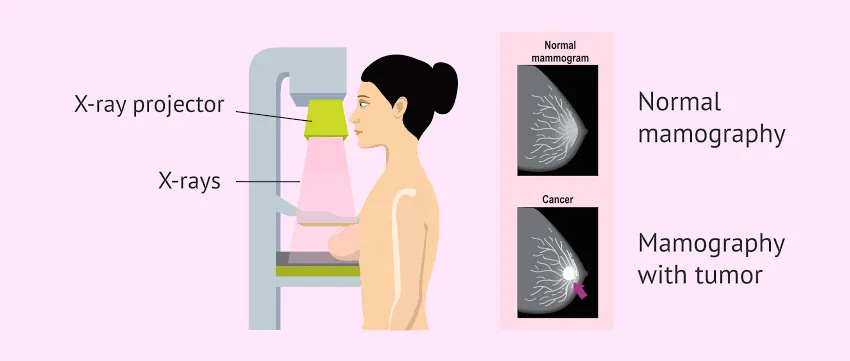
  • You’ll stand in front of a specialized X-ray machine.
  • A technician places one breast at a time between two plates.
  • The plates gently press the breast for a few seconds, this spreads the tissue for a clearer image.
  • X-rays take pictures from different angles, and then you’re done!

The whole thing takes about 15 minutes, with only a few seconds of compression per image. Yes, it can be uncomfortable, but it’s quick, and so worth it.

How to Make It More Comfortable:

  • Schedule it right – Avoid the week before your period when breasts are more sensitive.
  • Limit caffeine – Coffee, tea, and chocolate can make breasts feel tender.
  • Wear a two-piece outfit – You’ll only need to remove your top.
  • Skip deodorant and lotion – They can interfere with the images.

What If My Results Are Abnormal?
Mammograms: The Scan That Could Save Your Life

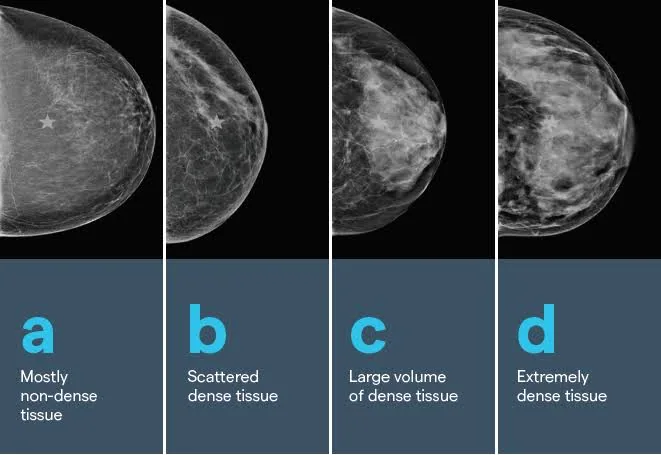
First, don’t panic. Abnormal doesn’t mean cancer, it just means more testing is needed. In many cases, it’s something harmless, like dense breast tissue or a benign cyst.

Your doctor may recommend:

  • More detailed mammogram images for a closer look
  • Ultrasound to determine if a lump is solid or fluid-filled
  • MRI or biopsy if further evaluation is needed

Most follow-up tests do not lead to a cancer diagnosis. But if something is found, catching it early makes all the difference.

When Should You See a Doctor?

Between mammograms, pay attention to any changes in your breasts. See a doctor if you notice:

  • A new lump or thickening that feels different from the rest of your breast
  • Changes in breast size, shape, or texture
  • Persistent pain in one breast
  • Nipple changes, such as discharge, redness, or inversion
  • Skin dimpling or a rash that doesn’t go away
Mammograms: The Scan That Could Save Your Life

Your body gives you signals, listen to them. If something feels off, get checked.

Final Takeaway

A mammogram isn’t just another appointment on your to-do list, it’s a lifesaving tool. It’s quick, it’s safe, and it can detect cancer before it spreads.
Image credits

  • Heading image: GeoMed

More Laboratory tests

View all
Stool Tests: What Your Gut Can Reveal About Your Health Stool tests

Stool Tests: What Your Gut Can Reveal About Your Health

Let’s be honest no one likes talking about poop. But the truth is, your stool can tell you a lot about what’s going on inside your body. A simple stool test can uncover parasites, harmful bacteria, hidden blood, and even early signs of colon cancer. If you've been dealing with persistent stomach issues, unexplained weight loss, or changes in your digestion, your doctor may recommend a stool test. It’s a quick, non-invasive way to check for underlying health problems. Let’s break down what these tests look for, how they work, and when you might need one.

3 min read
What Your Pee Says About Your Health (And Why You Should Listen) Urine tests

What Your Pee Says About Your Health (And Why You Should Listen)

Ever handed over a urine sample at the doctor’s office and wondered, What exactly are they looking for? It might seem like a routine test, but your pee holds valuable clues about your health. In fact, a simple urinalysis can detect kidney disease, diabetes, infections, and even signs of dehydration, sometimes before you notice any symptoms. The best part? It’s quick, painless, and can give you answers faster than most lab tests. Let’s break down what urinalysis is, what it can tell you, and when you should pay extra attention to your results.

3 min read
Thyroid Function Test (TFT): What Your Results Reveal About Your Health Blood tests

Thyroid Function Test (TFT): What Your Results Reveal About Your Health

Your thyroid controls almost everything, your energy levels, metabolism, mood, and even your heart rate. Yet, millions of people walk around with an undiagnosed thyroid disorder, feeling exhausted, struggling with unexplained weight changes, or dealing with brain fog without realizing their thyroid is to blame. Here’s a startling fact: Over 20 million Americans have a thyroid condition, but up to 60% of them don’t even know it. That means millions of people are living with symptoms that could be easily managed, if only they got tested.

4 min read
Lipid Panel (Cholesterol Test): What Your Numbers Really Mean Blood tests

Lipid Panel (Cholesterol Test): What Your Numbers Really Mean

Heart disease is the leading cause of death worldwide. But here’s the good news, nearly 80% of heart disease cases are preventable with the right lifestyle changes. One of the simplest, most effective ways to assess your risk? A lipid panel. This isn’t just another routine test. Your cholesterol numbers tell a story. They reveal whether your arteries are on the path to health, or heading toward trouble. And yet, so many people get their results, glance at the numbers, and move on. Big mistake. Understanding your lipid panel could be the difference between early intervention and a life-altering cardiac event. Let’s break it down, clearly, practically, and without the fluff.

4 min read