Medical emergency? Call your local emergency number
First aid guides

Menu

Basic Metabolic Panel (BMP): The Test That Tells You More Than You Thinking

Basic Metabolic Panel (BMP): The Test That Tells You More Than You Thinking Blood tests 3 min read
Not yet medically reviewed. This page has not been checked by a qualified medical reviewer. Use it for general education only and confirm anything important with a healthcare professional. Written by GeoMed Editorial Team. Last updated 24 October 2026.
Laboratory results must be interpreted by a healthcare professional in the context of your symptoms, history and other tests. Reference ranges differ between laboratories, so always use the range printed on your own report.

Your blood holds secrets. A Basic Metabolic Panel (BMP) can unlock them. This simple blood test checks electrolytes, kidney function, and blood sugar levels, things your body relies on every second. It’s a routine test, but the insights it provides are far from ordinary. Imagine this: You feel fatigued, dizzy, or just "off." Your doctor orders a BMP. The results could reveal dehydration, diabetes, kidney issues, or an electrolyte imbalance, problems that, if caught early, can be managed before they turn serious.

What Does a BMP Measure?

A BMP includes eight essential markers, each providing a different piece of the health puzzle:

  • Glucose – Your body’s main energy source. High levels may indicate diabetes, while low levels could suggest hypoglycemia.
  • Calcium – Critical for bones, nerves, and muscles. Imbalances can cause muscle spasms, heart issues, or confusion.
  • Sodium – Regulates hydration and fluid balance. Too much or too little can lead to swelling, confusion, or severe dehydration.
  • Potassium – Essential for heart and muscle function. High levels can increase the risk of heart arrhythmias, while low levels can cause muscle weakness and cramps.
  • Chloride – Works with sodium to maintain fluid balance. Abnormal levels can signal kidney or lung issues.
  • Carbon dioxide (CO2 or Bicarbonate) – Helps regulate pH balance. Low levels might indicate metabolic acidosis, often linked to kidney or lung problems.
  • Blood Urea Nitrogen (BUN) – Reflects kidney function and protein metabolism. Elevated levels may suggest kidney disease or dehydration, while low levels could indicate liver disease or malnutrition.
  • Creatinine – A direct measure of kidney function. High levels often point to impaired kidney filtration.

Why Is a BMP Important?

A BMP is more than just numbers on a lab report, it’s a roadmap to understanding your body's internal balance. Here’s why it matters:

  1. It Can Detect Kidney Problems Early

Your kidneys filter waste and maintain fluid balance. High BUN and creatinine levels could indicate kidney disease before symptoms even appear.

  1. It Helps Manage Diabetes

Glucose levels in a BMP can reveal undiagnosed diabetes or poorly controlled blood sugar, helping guide treatment before complications arise.

  1. It Identifies Dangerous Electrolyte Imbalances

Ever felt weak, dizzy, or had irregular heartbeats? Too much or too little potassium or sodium can be life-threatening. A BMP helps catch these imbalances early.

  1. It Assesses Hydration and Acid-Base Balance

If you’re dehydrated, sodium and BUN levels will likely be high. If your blood’s pH is off, abnormal CO2 levels may point to respiratory or metabolic conditions.

Who Needs a BMP?

Doctors commonly order a BMP for:

  • Routine check-ups to monitor general health

  • Hospitalized patients to track electrolyte balance and organ function

  • Diabetes or kidney disease management

  • Unexplained symptoms like weakness, confusion, or irregular heartbeats

  • Medication monitoring, especially for diuretics and blood pressure drugs

What If Your BMP Is Abnormal?
Basic Metabolic Panel (BMP): The Test That Tells You More Than You Thinking

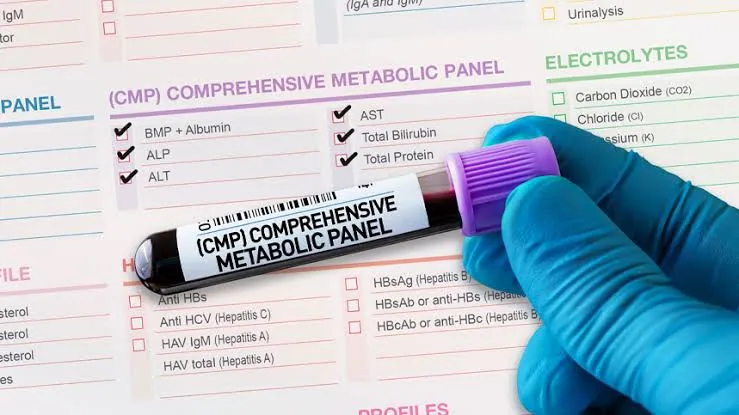
An abnormal BMP doesn’t always mean disease. Sometimes, factors like diet, hydration, or medications can affect results. But if something is off, your doctor may recommend:

  • Further testing (e.g., Comprehensive Metabolic Panel, kidney function tests)
  • Lifestyle changes (e.g., adjusting hydration, diet, or medication)
  • Medical treatment (if a serious condition is suspected)

Final Thoughts

A Basic Metabolic Panel is a powerful tool that offers insight into your kidney health, blood sugar, and electrolyte balance. Whether you’re checking for diabetes, dehydration, or kidney disease, this test can catch problems early, sometimes before symptoms even start.
Image credits

  • Heading image: GeoMed

More Laboratory tests

View all
Thyroid Function Test (TFT): What Your Results Reveal About Your Health Blood tests

Thyroid Function Test (TFT): What Your Results Reveal About Your Health

Your thyroid controls almost everything, your energy levels, metabolism, mood, and even your heart rate. Yet, millions of people walk around with an undiagnosed thyroid disorder, feeling exhausted, struggling with unexplained weight changes, or dealing with brain fog without realizing their thyroid is to blame. Here’s a startling fact: Over 20 million Americans have a thyroid condition, but up to 60% of them don’t even know it. That means millions of people are living with symptoms that could be easily managed, if only they got tested.

4 min read
Radiopharmaceuticals: A Modern Tool in Diagnosis and Therapy Imaging & scans

Radiopharmaceuticals: A Modern Tool in Diagnosis and Therapy

Radiopharmaceuticals are specialized medicinal preparations that contain a radioactive isotope and play a vital role in the field of nuclear medicine. Unlike traditional medications, their action is based not only on pharmacological effects but also on the radiation emitted by the radionuclide they carry. These agents are designed to precisely target specific organs or tissues, providing clinicians with accurate diagnostic information or delivering focused therapeutic radiation.

2 min read
Stool Tests: What Your Gut Can Reveal About Your Health Stool tests

Stool Tests: What Your Gut Can Reveal About Your Health

Let’s be honest no one likes talking about poop. But the truth is, your stool can tell you a lot about what’s going on inside your body. A simple stool test can uncover parasites, harmful bacteria, hidden blood, and even early signs of colon cancer. If you've been dealing with persistent stomach issues, unexplained weight loss, or changes in your digestion, your doctor may recommend a stool test. It’s a quick, non-invasive way to check for underlying health problems. Let’s break down what these tests look for, how they work, and when you might need one.

3 min read
What Your Pee Says About Your Health (And Why You Should Listen) Urine tests

What Your Pee Says About Your Health (And Why You Should Listen)

Ever handed over a urine sample at the doctor’s office and wondered, What exactly are they looking for? It might seem like a routine test, but your pee holds valuable clues about your health. In fact, a simple urinalysis can detect kidney disease, diabetes, infections, and even signs of dehydration, sometimes before you notice any symptoms. The best part? It’s quick, painless, and can give you answers faster than most lab tests. Let’s break down what urinalysis is, what it can tell you, and when you should pay extra attention to your results.

3 min read