Medical emergency? Call your local emergency number
First aid guides

Menu

Microbiological Tests: The Key to Identifying Hidden Infections

Microbiological Tests: The Key to Identifying Hidden Infections Microbiology 4 min read
Not yet medically reviewed. This page has not been checked by a qualified medical reviewer. Use it for general education only and confirm anything important with a healthcare professional. Written by GeoMed Editorial Team. Last updated 24 October 2026.
Laboratory results must be interpreted by a healthcare professional in the context of your symptoms, history and other tests. Reference ranges differ between laboratories, so always use the range printed on your own report.

An infection diagnosed is an infection defeated. That’s the power of microbiological testing. Every day, millions of people battle infections some mild, some life-threatening. But without the right tests, doctors are left guessing, and treatments can miss the mark. Think about this: Sepsis, a deadly infection that spreads through the bloodstream, kills over 11 million people worldwide each year. Early detection through blood cultures can mean the difference between life and death. That’s just one example of why microbiological testing isn’t just helpful it’s critical.

1. Throat Swab Culture: Catching Strep Before It Spreads

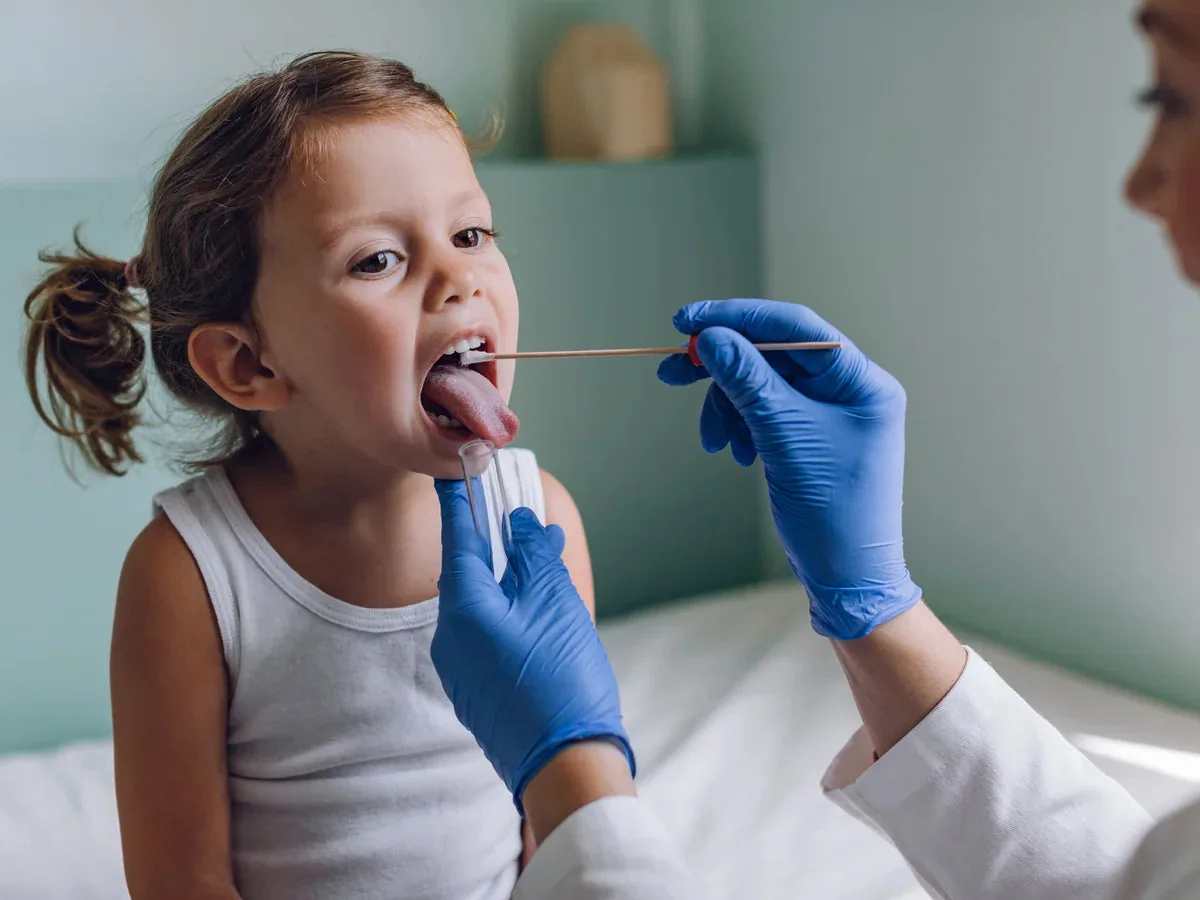
Sore throats are common, but not all are created equal. Some are just viral irritations, while others like strep throat require antibiotics. A throat swab culture is the gold standard for identifying Streptococcus pyogenes, the bacteria responsible for strep throat.

How It Works

A healthcare provider swabs the back of the throat and sends the sample to a lab. If bacteria grow, it’s a confirmed infection.

Why It Matters

  • Accurate diagnosis prevents unnecessary antibiotic use (which fuels resistance).
  • Early treatment stops complications like rheumatic fever.
  • Quick turnaround often within 24–48 hours means faster recovery.

For even faster results, rapid antigen tests can provide answers in minutes, though cultures remain more accurate.

2. Blood Culture: Detecting Deadly Infections in the Blood

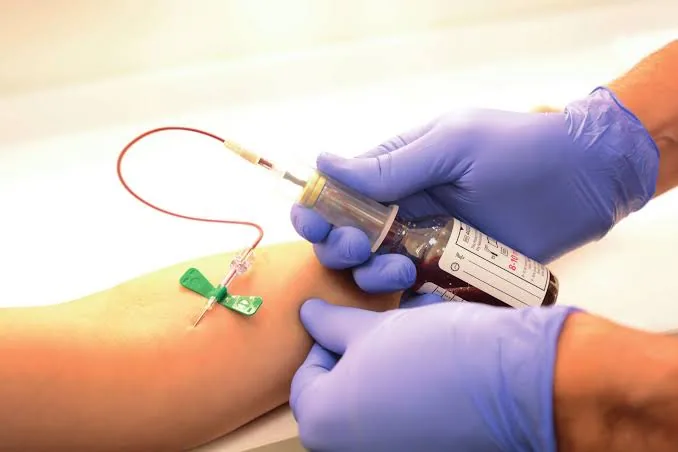
A fever that won’t go away. Chills. Rapid heartbeat. These could be signs of sepsis, a medical emergency where bacteria enter the bloodstream. A blood culture test is the best way to find out.
Microbiological Tests: The Key to Identifying Hidden Infections

How It Works

A sample of blood is drawn and incubated to check for bacterial or fungal growth. If organisms are detected, doctors can determine the best antibiotics to use.

Why It Matters

  • Early detection saves lives sepsis has a 30–50% mortality rate when untreated.
  • Pinpoints the exact bacteria or fungi, leading to targeted treatment instead of broad-spectrum antibiotics.
  • Guides hospital infection control measures to prevent outbreaks.

This test is standard in fever of unknown origin and in critically ill patients. Results take 24–72 hours, but preliminary findings can help doctors start treatment early.

3. Urine Culture: Diagnosing UTIs With Precision

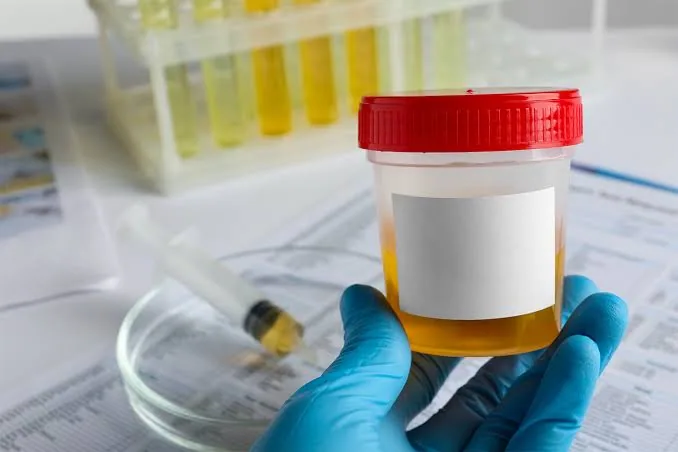
A urinary tract infection (UTI) can go from annoying to dangerous if it spreads to the kidneys. A urine culture is the best way to confirm an infection and determine the right antibiotic.
Microbiological Tests: The Key to Identifying Hidden Infections

How It Works

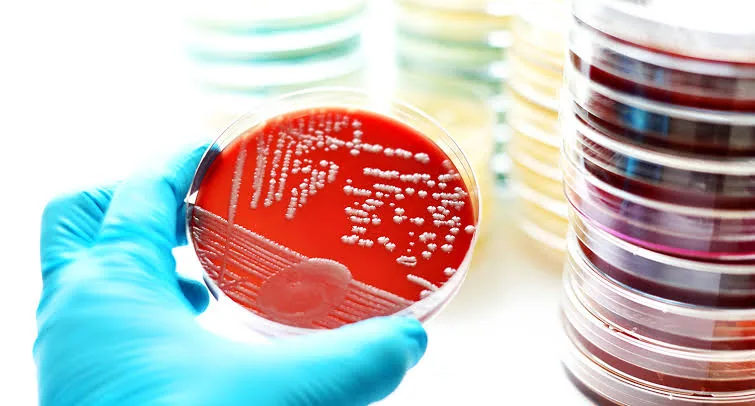
Patients provide a midstream urine sample, which is then cultured for bacterial growth. If an infection is present, further tests determine which antibiotics will work best.
Microbiological Tests: The Key to Identifying Hidden Infections

Why It Matters

  • Prevents recurrent infections by ensuring the right treatment.
  • Reduces antibiotic resistance by avoiding unnecessary prescriptions.
  • Essential for high-risk groups like pregnant women, diabetics, and the elderly.

A standard urinalysis can hint at an infection, but only a culture confirms the exact bacteria involved. Results take 24–48 hours.

4. Stool Culture: Identifying Foodborne and Digestive Infections

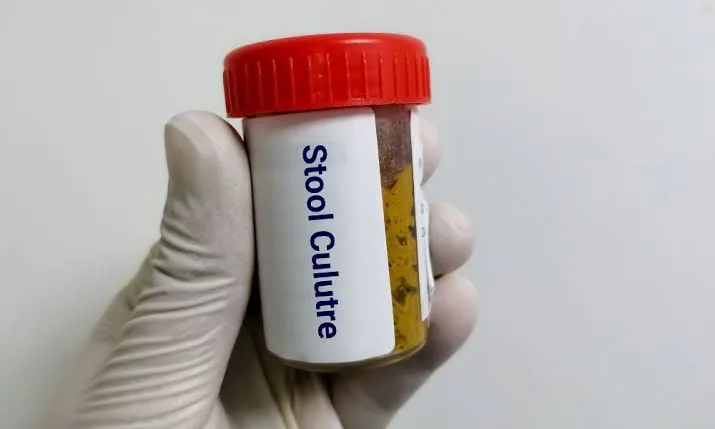
Diarrhea lasting more than a few days? It could be a bacterial or parasitic infection. A stool culture helps identify the culprit whether it’s Salmonella, E. coli, or Clostridium difficile (C. diff).
Microbiological Tests: The Key to Identifying Hidden Infections

How It Works

Patients provide a stool sample, which is tested for bacterial, viral, or parasitic infections.

Why It Matters

  • Pinpoints the cause of persistent diarrhea, preventing dehydration and complications.
  • Detects outbreaks of foodborne illnesses like Salmonella.
  • Identifies antibiotic-resistant infections, guiding proper treatment.

In cases of severe diarrhea, recent travel, or hospital stays, this test is crucial. Results take 48–72 hours.

5. Sputum Culture Diagnosing Lung Infections

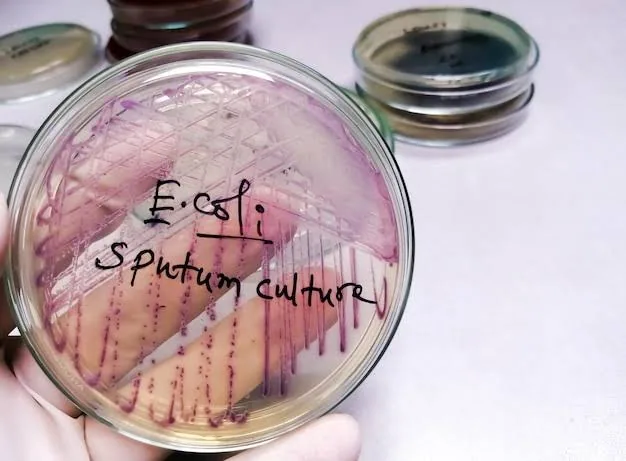
A lingering cough with mucus could signal something more serious like pneumonia or tuberculosis (TB). A sputum culture helps identify bacterial or fungal infections in the lungs.
Microbiological Tests: The Key to Identifying Hidden Infections

How It Works

Patients provide a sample of mucus (not just saliva). The lab cultures it to check for bacteria or fungi.

Why It Matters

  • Differentiates bacterial pneumonia from viral infections, ensuring proper treatment.
  • Detects tuberculosis (TB), a contagious disease that needs specific antibiotics.

  • Guides antibiotic selection to avoid ineffective treatments.

Results typically take 48–72 hours, though TB cultures may take weeks due to slow-growing bacteria.

Final Thoughts

Microbiological tests don’t just confirm infections they save lives. Whether it’s a simple throat swab or a critical blood culture, these tests guide accurate treatment, reduce antibiotic resistance, and prevent complications.
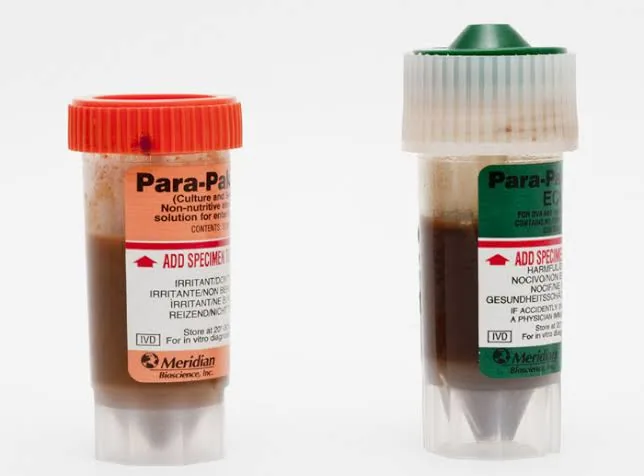
Image credits

  • Heading image: GeoMed

More Laboratory tests

View all
Radiopharmaceuticals: A Modern Tool in Diagnosis and Therapy Imaging & scans

Radiopharmaceuticals: A Modern Tool in Diagnosis and Therapy

Radiopharmaceuticals are specialized medicinal preparations that contain a radioactive isotope and play a vital role in the field of nuclear medicine. Unlike traditional medications, their action is based not only on pharmacological effects but also on the radiation emitted by the radionuclide they carry. These agents are designed to precisely target specific organs or tissues, providing clinicians with accurate diagnostic information or delivering focused therapeutic radiation.

2 min read
Stool Tests: What Your Gut Can Reveal About Your Health Stool tests

Stool Tests: What Your Gut Can Reveal About Your Health

Let’s be honest no one likes talking about poop. But the truth is, your stool can tell you a lot about what’s going on inside your body. A simple stool test can uncover parasites, harmful bacteria, hidden blood, and even early signs of colon cancer. If you've been dealing with persistent stomach issues, unexplained weight loss, or changes in your digestion, your doctor may recommend a stool test. It’s a quick, non-invasive way to check for underlying health problems. Let’s break down what these tests look for, how they work, and when you might need one.

3 min read
Frequently Asked Questions About Mammograms Imaging & scans

Frequently Asked Questions About Mammograms

Mammograms are one of the best ways to catch breast cancer early, often before you notice any symptoms. If you’re wondering how they work or what to expect, here’s what you need to know.

3 min read
Mammograms: The Scan That Could Save Your Life Imaging & scans

Mammograms: The Scan That Could Save Your Life

One in eight women will develop breast cancer in their lifetime." That’s a statistic no one wants to be part of, but here’s the good news: early detection saves lives. A mammogram isn’t just another medical test. It’s a powerful tool that can detect breast cancer years before a lump can be felt. It’s quick. It’s safe. And it can make all the difference. Yet, many women put off getting screened, sometimes out of fear, sometimes because they’re "too busy." But here’s the truth: a mammogram takes just 15 minutes and could save years of your life. Let’s talk about why it matters, what to expect, and how to make the process easier.

3 min read