Medical emergency? Call your local emergency number
First aid guides

Menu

Radiopharmaceuticals: A Modern Tool in Diagnosis and Therapy

Radiopharmaceuticals: A Modern Tool in Diagnosis and Therapy Imaging & scans 2 min read
Not yet medically reviewed. This page has not been checked by a qualified medical reviewer. Use it for general education only and confirm anything important with a healthcare professional. Written by GeoMed Editorial Team. Last updated 24 October 2026.
Laboratory results must be interpreted by a healthcare professional in the context of your symptoms, history and other tests. Reference ranges differ between laboratories, so always use the range printed on your own report.

Radiopharmaceuticals are specialized medicinal preparations that contain a radioactive isotope and play a vital role in the field of nuclear medicine. Unlike traditional medications, their action is based not only on pharmacological effects but also on the radiation emitted by the radionuclide they carry. These agents are designed to precisely target specific organs or tissues, providing clinicians with accurate diagnostic information or delivering focused therapeutic radiation.

What Are Radiopharmaceuticals?

A radiopharmaceutical consists of two parts: a radionuclide and a pharmaceutical carrier. The radionuclide releases radiation, while the carrier directs this radiation to the desired part of the body. Most radiopharmaceuticals are administered through intravenous injection, although oral and inhalation routes may also be used. Once in the body, the drug travels to its target site and begins to emit radiation in a controlled manner.

Diagnostic Uses of Radiopharmaceuticals

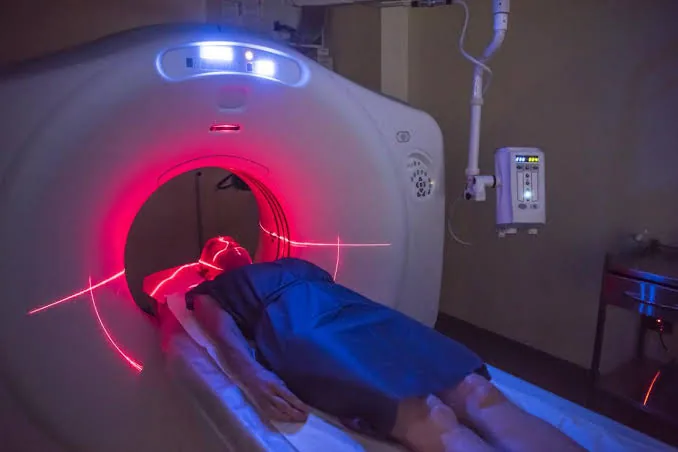
In diagnostic imaging, radiopharmaceuticals emit gamma rays or positrons that can be detected by scanners such as SPECT (Single Photon Emission Computed Tomography) and PET (Positron Emission Tomography). This enables healthcare professionals to produce highly detailed images of organs and tissues. For example, technetium-99m is commonly used in bone, kidney, and heart scans, while fluorine-18 is widely used for detecting cancer cells due to their high rate of glucose metabolism.

Therapeutic Uses of Radiopharmaceuticals

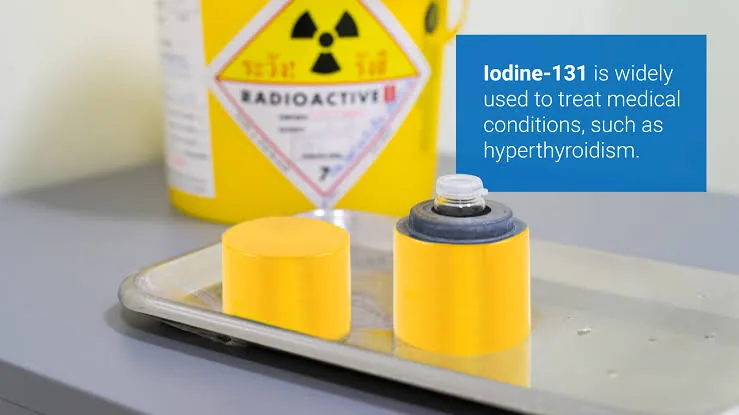
Radiopharmaceuticals are also used in the treatment of certain diseases, particularly cancers. In these cases, the agents emit beta or alpha particles that damage and destroy abnormal cells. Iodine-131 is a classic therapeutic radiopharmaceutical that is selectively absorbed by the thyroid gland and used to treat thyroid cancer and hyperthyroidism. Newer agents, such as yttrium-90 and lutetium-177, are now used to treat liver tumors and neuroendocrine cancers with great precision and minimal side effects.

Safety and Radiation Protection

Even though radiopharmaceuticals contain radioactive material, they are considered safe when handled correctly. The radioactive isotopes used often have short half-lives, which means they decay quickly and reduce the duration of radiation exposure. Healthcare providers follow strict safety protocols during preparation, administration, and disposal in order to protect both patients and medical staff.
Radiopharmaceuticals: A Modern Tool in Diagnosis and Therapy

Conclusion

Radiopharmaceuticals represent a significant advancement in modern medicine by combining targeted drug delivery with the diagnostic and therapeutic capabilities of radiation. They allow for early detection of disease and enable precise treatment of conditions such as cancer with minimal harm to surrounding healthy tissue. As technology and research continue to evolve, radiopharmaceuticals will play an increasingly important role in improving patient outcomes.
Image credits

  • Heading image: GeoMed

More Laboratory tests

View all
Stool Tests: What Your Gut Can Reveal About Your Health Stool tests

Stool Tests: What Your Gut Can Reveal About Your Health

Let’s be honest no one likes talking about poop. But the truth is, your stool can tell you a lot about what’s going on inside your body. A simple stool test can uncover parasites, harmful bacteria, hidden blood, and even early signs of colon cancer. If you've been dealing with persistent stomach issues, unexplained weight loss, or changes in your digestion, your doctor may recommend a stool test. It’s a quick, non-invasive way to check for underlying health problems. Let’s break down what these tests look for, how they work, and when you might need one.

3 min read
What Your Pee Says About Your Health (And Why You Should Listen) Urine tests

What Your Pee Says About Your Health (And Why You Should Listen)

Ever handed over a urine sample at the doctor’s office and wondered, What exactly are they looking for? It might seem like a routine test, but your pee holds valuable clues about your health. In fact, a simple urinalysis can detect kidney disease, diabetes, infections, and even signs of dehydration, sometimes before you notice any symptoms. The best part? It’s quick, painless, and can give you answers faster than most lab tests. Let’s break down what urinalysis is, what it can tell you, and when you should pay extra attention to your results.

3 min read
Thyroid Function Test (TFT): What Your Results Reveal About Your Health Blood tests

Thyroid Function Test (TFT): What Your Results Reveal About Your Health

Your thyroid controls almost everything, your energy levels, metabolism, mood, and even your heart rate. Yet, millions of people walk around with an undiagnosed thyroid disorder, feeling exhausted, struggling with unexplained weight changes, or dealing with brain fog without realizing their thyroid is to blame. Here’s a startling fact: Over 20 million Americans have a thyroid condition, but up to 60% of them don’t even know it. That means millions of people are living with symptoms that could be easily managed, if only they got tested.

4 min read
Lipid Panel (Cholesterol Test): What Your Numbers Really Mean Blood tests

Lipid Panel (Cholesterol Test): What Your Numbers Really Mean

Heart disease is the leading cause of death worldwide. But here’s the good news, nearly 80% of heart disease cases are preventable with the right lifestyle changes. One of the simplest, most effective ways to assess your risk? A lipid panel. This isn’t just another routine test. Your cholesterol numbers tell a story. They reveal whether your arteries are on the path to health, or heading toward trouble. And yet, so many people get their results, glance at the numbers, and move on. Big mistake. Understanding your lipid panel could be the difference between early intervention and a life-altering cardiac event. Let’s break it down, clearly, practically, and without the fluff.

4 min read