Medical emergency? Call your local emergency number
First aid guides

Menu

Stool Tests: What Your Gut Can Reveal About Your Health

Stool Tests: What Your Gut Can Reveal About Your Health Stool tests 3 min read
Not yet medically reviewed. This page has not been checked by a qualified medical reviewer. Use it for general education only and confirm anything important with a healthcare professional. Written by GeoMed Editorial Team. Last updated 24 October 2026.
Laboratory results must be interpreted by a healthcare professional in the context of your symptoms, history and other tests. Reference ranges differ between laboratories, so always use the range printed on your own report.

Let’s be honest no one likes talking about poop. But the truth is, your stool can tell you a lot about what’s going on inside your body. A simple stool test can uncover parasites, harmful bacteria, hidden blood, and even early signs of colon cancer. If you've been dealing with persistent stomach issues, unexplained weight loss, or changes in your digestion, your doctor may recommend a stool test. It’s a quick, non-invasive way to check for underlying health problems. Let’s break down what these tests look for, how they work, and when you might need one.

What Is a Stool Test?

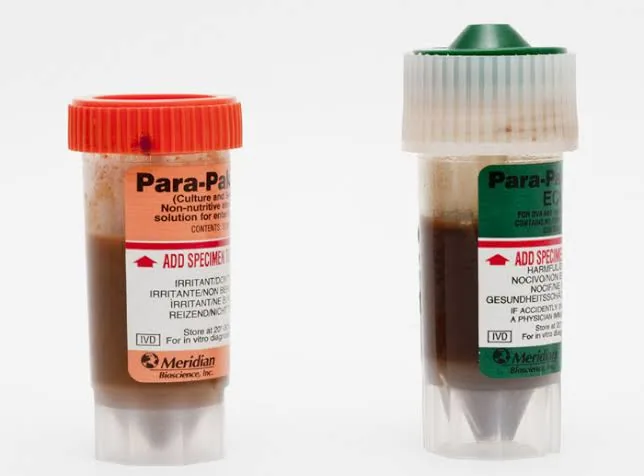
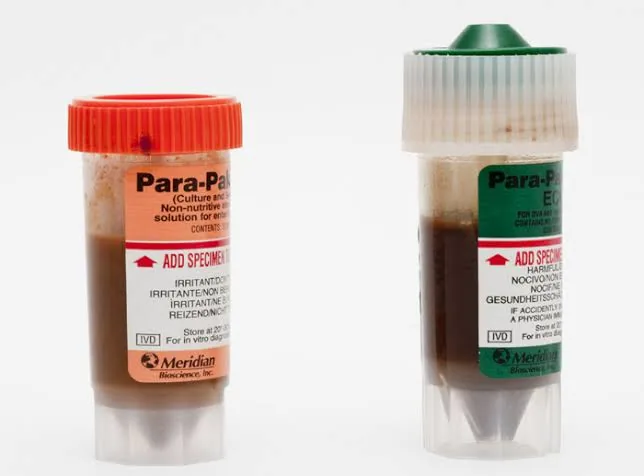
A stool test analyzes a sample of your poop to check for infections, digestive disorders, and signs of internal bleeding. Depending on what your doctor is investigating, you may need one of these common stool tests:

  1. Stool test for parasites: Detects parasites like Giardia or tapeworms that can cause long-term stomach issues.
  2. Stool culture for bacteria: Identifies harmful bacteria like Salmonella, E. coli, or C. difficile that can trigger food poisoning or infections.
  3. Fecal occult blood test (FOBT) or fecal immunochemical test (FIT): Screens for hidden blood in the stool, a potential sign of colon cancer, ulcers, or inflammatory bowel disease (IBD).
  4. In short, stool tests help doctors catch gut problems early before they lead to bigger issues.

What Can a Stool Test Detect?

Your digestive system is a window into your overall health. A stool test can reveal:

  • Persistent diarrhea Could be caused by an infection, food poisoning, or parasites.
  • Chronic stomach pain or bloating: Might indicate gut inflammation, IBD, or an imbalance in gut bacteria.
  • Blood in the stool A warning sign of ulcers, hemorrhoids, or even colon cancer.
  • Frequent stomach infections Some people are more prone to bacterial or parasitic infections.
  • Digestive disorders like lactose intolerance or celiac disease Certain stool tests can help confirm these conditions.
Stool Tests: What Your Gut Can Reveal About Your Health

When Should You Get a Stool Test?

You may need a stool test if you:

  • Have had diarrhea for more than a few days
  • Experience persistent stomach pain, bloating, or unexplained weight loss
  • Notice blood in your stool (even once) or have black, tarry stools
  • Recently traveled to an area with poor sanitation
  • Are over 45 and need a colon cancer screening

If you see blood in your stool or have ongoing digestive issues, don’t ignore it. A simple test could catch something early before it turns serious.

How to Collect a Stool Sample (Without the Mess)

Stool tests may not be the most pleasant, but collecting a sample is easier than you think. Here’s how to do it right:

  1. Use a clean, dry container: Your doctor will provide a special collection kit. Avoid contamination from urine or toilet water.
  2. Follow storage instructions: Some samples need refrigeration if they’re not tested right away.
  3. Deliver it quickly The fresher the sample, the more accurate the results.
  4. Your doctor or lab will give you step-by-step instructions, so don’t stress it’s straightforward!

Stool Tests: What Your Gut Can Reveal About Your Health

The Bottom Line: Listen to Your Gut

A stool test may not be glamorous, but it’s one of the simplest ways to detect infections, parasites, and even early signs of colon cancer.

Image credits

  • Heading image: GeoMed

More Laboratory tests

View all
Radiopharmaceuticals: A Modern Tool in Diagnosis and Therapy Imaging & scans

Radiopharmaceuticals: A Modern Tool in Diagnosis and Therapy

Radiopharmaceuticals are specialized medicinal preparations that contain a radioactive isotope and play a vital role in the field of nuclear medicine. Unlike traditional medications, their action is based not only on pharmacological effects but also on the radiation emitted by the radionuclide they carry. These agents are designed to precisely target specific organs or tissues, providing clinicians with accurate diagnostic information or delivering focused therapeutic radiation.

2 min read
Frequently Asked Questions About Mammograms Imaging & scans

Frequently Asked Questions About Mammograms

Mammograms are one of the best ways to catch breast cancer early, often before you notice any symptoms. If you’re wondering how they work or what to expect, here’s what you need to know.

3 min read
Mammograms: The Scan That Could Save Your Life Imaging & scans

Mammograms: The Scan That Could Save Your Life

One in eight women will develop breast cancer in their lifetime." That’s a statistic no one wants to be part of, but here’s the good news: early detection saves lives. A mammogram isn’t just another medical test. It’s a powerful tool that can detect breast cancer years before a lump can be felt. It’s quick. It’s safe. And it can make all the difference. Yet, many women put off getting screened, sometimes out of fear, sometimes because they’re "too busy." But here’s the truth: a mammogram takes just 15 minutes and could save years of your life. Let’s talk about why it matters, what to expect, and how to make the process easier.

3 min read
Ultrasound: More Than Just Baby Pictures Imaging & scans

Ultrasound: More Than Just Baby Pictures

Ultrasounds are often linked to pregnancy, but here’s the truth: they do so much more. From checking your heart to detecting gallstones, ultrasounds are a fast, painless, and radiation-free way to see what’s happening inside your body. Doctors rely on ultrasounds to examine organs, blood flow, and even muscles in real-time. If you’ve ever wondered how sound waves can create an image of your insides, without a single cut, let’s break it down.

3 min read