Medical emergency? Call your local emergency number
First aid guides

Menu

Understanding the Role of Urinalysis in Routine Health Check-ups

Understanding the Role of Urinalysis in Routine Health Check-ups Urine tests 3 min read
Not yet medically reviewed. This page has not been checked by a qualified medical reviewer. Use it for general education only and confirm anything important with a healthcare professional. Written by GeoMed Editorial Team. Last updated 24 October 2026.
Laboratory results must be interpreted by a healthcare professional in the context of your symptoms, history and other tests. Reference ranges differ between laboratories, so always use the range printed on your own report.

Urinalysis – it's just a simple test, right? Well, don’t be fooled by its simplicity. This routine test holds the power to uncover hidden health problems that could otherwise go unnoticed. In fact, research shows that up to 10% of people with chronic kidney disease don't know they have it. That’s where urinalysis comes in. It’s a quick, easy way to check in on your body and catch potential issues early. But how does it work, and why should you pay attention to it during your check-up? Let’s break it down.

1. Spotting Kidney Problems Early

Kidney disease often shows no symptoms until it’s too late. That’s where urinalysis comes in. It can pick up early warning signs, like protein or blood in your urine, which are red flags for kidney issues. Even if you feel fine, your kidneys could be struggling behind the scenes. Early detection through routine tests allows for timely interventions, potentially saving you from more serious complications later on.

2. Diabetes and Blood Sugar Levels
Understanding the Role of Urinalysis in Routine Health Check-ups

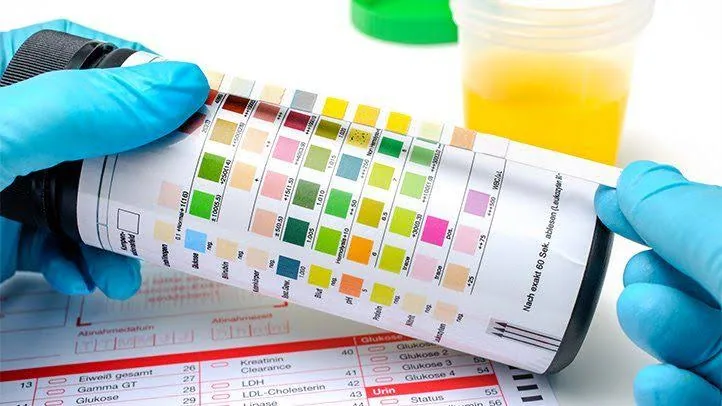
If you have diabetes, monitoring your blood sugar is crucial. But did you know that urinalysis can also play a part in keeping your diabetes in check? When blood sugar levels are too high, your kidneys might start excreting glucose into your urine. It’s a clear sign that your diabetes isn’t under control. Regular urinalysis helps your doctor track this and adjust your treatment plan as needed.

3. Catching Urinary Tract Infections (UTIs) Early

Understanding the Role of Urinalysis in Routine Health Check-ups

UTIs are one of the most common infections, especially in women. They can cause pain and discomfort, and if left untreated, lead to more serious kidney infections. A urinalysis can detect the presence of bacteria or white blood cells in the urine, key indicators of an infection. It’s a simple test that can spare you from unnecessary suffering and prevent complications down the road.

4. Hydration and Electrolyte Balance

You might not realize it, but urinalysis can also give you insights into your hydration levels. Dark, concentrated urine could mean that you’re dehydrated. Conversely, clear urine might indicate that you’re over-hydrated. The test can also highlight imbalances in electrolytes, which are essential for the proper function of your cells and organs. By keeping track of your hydration through urinalysis, you’re proactively supporting your body’s performance.

5. Liver Health in Plain Sight
Understanding the Role of Urinalysis in Routine Health Check-ups

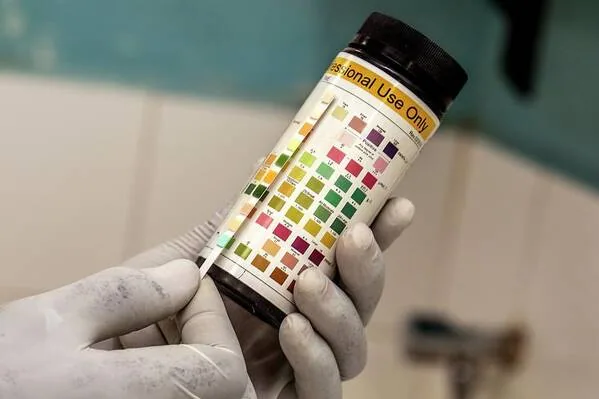
While you’re used to hearing about liver tests in blood work, urinalysis can offer a different perspective on your liver function. Abnormal levels of bilirubin or urobilinogen in the urine can signal liver damage or disease. Early detection is key. Catching a liver issue early can make all the difference in preventing more serious conditions down the line.

Conclusion

Urinalysis isn’t just a checkbox on your health check-up, it’s a valuable tool that provides insights into multiple aspects of your health. From spotting kidney problems to monitoring diabetes and hydration, this simple test can offer critical
Image credits

  • Heading image: GeoMed

More Laboratory tests

View all
Radiopharmaceuticals: A Modern Tool in Diagnosis and Therapy Imaging & scans

Radiopharmaceuticals: A Modern Tool in Diagnosis and Therapy

Radiopharmaceuticals are specialized medicinal preparations that contain a radioactive isotope and play a vital role in the field of nuclear medicine. Unlike traditional medications, their action is based not only on pharmacological effects but also on the radiation emitted by the radionuclide they carry. These agents are designed to precisely target specific organs or tissues, providing clinicians with accurate diagnostic information or delivering focused therapeutic radiation.

2 min read
Stool Tests: What Your Gut Can Reveal About Your Health Stool tests

Stool Tests: What Your Gut Can Reveal About Your Health

Let’s be honest no one likes talking about poop. But the truth is, your stool can tell you a lot about what’s going on inside your body. A simple stool test can uncover parasites, harmful bacteria, hidden blood, and even early signs of colon cancer. If you've been dealing with persistent stomach issues, unexplained weight loss, or changes in your digestion, your doctor may recommend a stool test. It’s a quick, non-invasive way to check for underlying health problems. Let’s break down what these tests look for, how they work, and when you might need one.

3 min read
Frequently Asked Questions About Mammograms Imaging & scans

Frequently Asked Questions About Mammograms

Mammograms are one of the best ways to catch breast cancer early, often before you notice any symptoms. If you’re wondering how they work or what to expect, here’s what you need to know.

3 min read
Mammograms: The Scan That Could Save Your Life Imaging & scans

Mammograms: The Scan That Could Save Your Life

One in eight women will develop breast cancer in their lifetime." That’s a statistic no one wants to be part of, but here’s the good news: early detection saves lives. A mammogram isn’t just another medical test. It’s a powerful tool that can detect breast cancer years before a lump can be felt. It’s quick. It’s safe. And it can make all the difference. Yet, many women put off getting screened, sometimes out of fear, sometimes because they’re "too busy." But here’s the truth: a mammogram takes just 15 minutes and could save years of your life. Let’s talk about why it matters, what to expect, and how to make the process easier.

3 min read