Medical emergency? Call your local emergency number
First aid guides

Menu

Imaging Tests: Unlocking the Secrets of Your Internal Health

Imaging Tests: Unlocking the Secrets of Your Internal Health Imaging & scans 4 min read
Not yet medically reviewed. This page has not been checked by a qualified medical reviewer. Use it for general education only and confirm anything important with a healthcare professional. Written by GeoMed Editorial Team. Last updated 24 October 2026.
Laboratory results must be interpreted by a healthcare professional in the context of your symptoms, history and other tests. Reference ranges differ between laboratories, so always use the range printed on your own report.

Seeing is believing," especially when it comes to your health. Imaging tests offer doctors a detailed look at what's happening inside your body, without ever needing to make an incision. Whether you're experiencing unexplained pain or just getting a routine check-up, imaging tests help to uncover the hidden causes of your symptoms. And the best part? They often detect problems before they become major issues. Let’s dive into the world of imaging tests and explore how they’re transforming the way we understand and treat health conditions.

What Are Imaging Tests and Why Do They Matter?

Imaging tests are diagnostic tools that allow healthcare providers to visualize the internal structures of your body. They help doctors pinpoint problems, track changes in your health, and decide on the best treatment approach. These tests can detect a range of issues, from fractures and infections to tumors and soft tissue injuries.

Common Types of Imaging Tests

Let’s break down the most common imaging tests used in modern healthcare. Each test offers its own set of benefits, depending on the condition being assessed.

X-rays

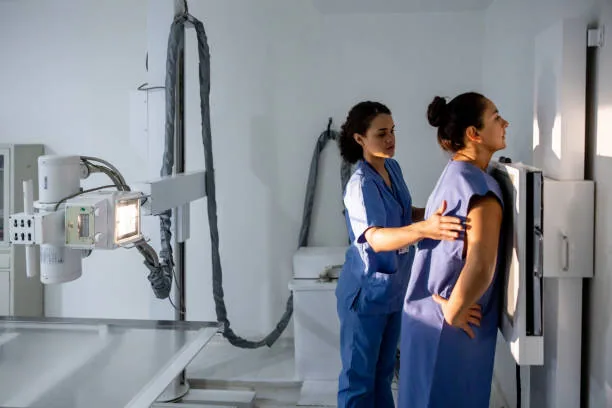
The classic diagnostic tool! X-rays are often the first line of defense when a doctor needs to check your bones, lungs, or chest. Fractures, infections, or even certain lung conditions like pneumonia can be easily spotted using this method. It's quick, affordable, and effective for a range of conditions.
Imaging Tests: Unlocking the Secrets of Your Internal Health

But here’s the thing, X-rays don’t just look at bones. They also show some soft tissues, making them valuable for identifying issues with your lungs, heart, and gastrointestinal system. A simple X-ray could save you from needing more invasive testing.

Ultrasounds

When you think of ultrasound, you probably think of pregnancy scans. But this test is much more versatile than that! Ultrasounds use sound waves to create live images of your internal organs, without radiation.

Imaging Tests: Unlocking the Secrets of Your Internal Health

Doctors use ultrasound to look at soft tissues like the liver, kidneys, and heart. It’s also incredibly helpful for assessing issues like gallstones, organ damage, and even blood flow. Plus, ultrasounds are non-invasive and safe, making them a go-to for monitoring patients over time.

CT Scans (Computed Tomography)

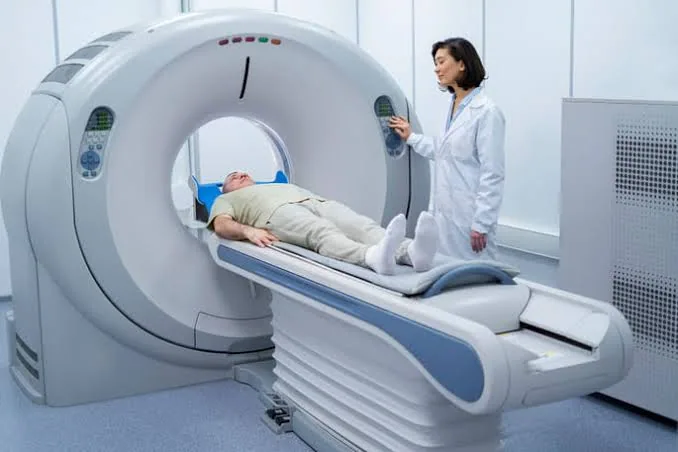
Think of CT scans as supercharged X-rays. They create detailed cross-sectional images, giving doctors a clearer, 3D look at internal organs, bones, and tissues.
Imaging Tests: Unlocking the Secrets of Your Internal Health

This test is invaluable for diagnosing cancer, internal injuries, and certain neurological conditions like strokes. If you’ve ever been in an emergency room, chances are you’ve seen a CT scan in action, doctors rely on these scans to make fast, accurate decisions, especially in critical situations.

MRIs (Magnetic Resonance Imaging)
Imaging Tests: Unlocking the Secrets of Your Internal Health

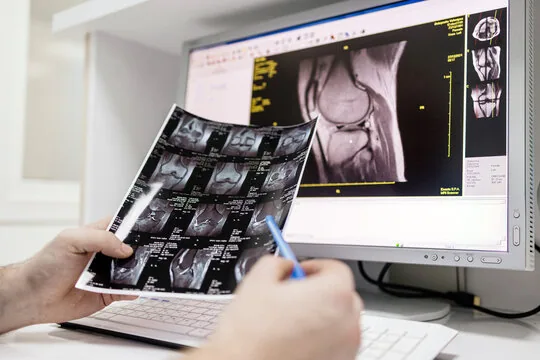
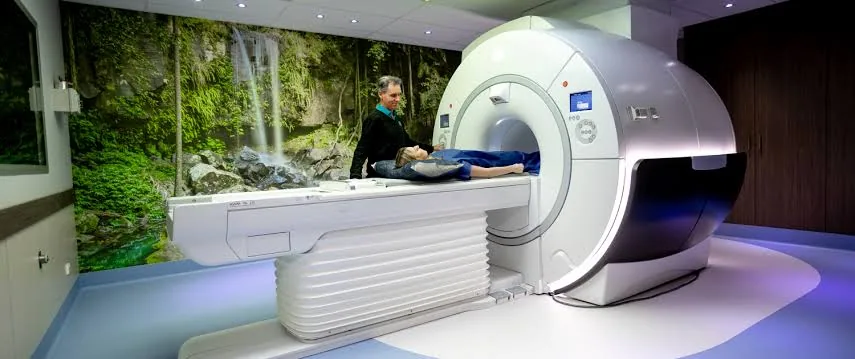
When soft tissue details matter, an MRI is often the best option. Unlike X-rays and CT scans, MRIs don’t rely on radiation. Instead, they use magnets and radio waves to create incredibly detailed images of soft tissues, such as your brain, muscles, and spinal cord.

MRIs are crucial for diagnosing issues like muscle injuries, brain tumors, or spinal problems. The level of detail an MRI provides can sometimes be the difference between a correct diagnosis and one that leads to unnecessary treatments or procedures.

How Imaging Tests Help with Diagnosis and Treatment

Imaging tests are more than just diagnostic tools, they’re part of a larger strategy to manage and treat health conditions. Here’s how they make a difference:

  • Early Detection: Many conditions, from cancer to heart disease, can be diagnosed earlier with imaging tests. Early detection means earlier treatment, which leads to better outcomes.

  • Minimizing Risk: Rather than relying on invasive procedures or trial-and-error treatment plans, doctors use imaging to get a clear picture of the issue. This reduces the risk of unnecessary surgeries or treatments.

  • Treatment Monitoring: After a diagnosis, imaging tests continue to play a role. They can be used to monitor how well treatments are working, whether it’s seeing if a tumor has shrunk or evaluating the healing process of an injury.

  • Surgical Planning: When surgery is needed, imaging tests provide a roadmap. Surgeons use these scans to pinpoint exactly where the problem lies, allowing for more precise and less invasive procedures.

When Do You Need an Imaging Test?

Your doctor may recommend imaging tests based on your symptoms or health history. Some common reasons for imaging include:

  • Unexplained pain or swelling (like joint pain or abdominal discomfort).

  • Suspected fractures, sprains, or dislocations.

  • Monitoring known conditions such as heart disease, tumors, or internal injuries.

  • Routine screenings for certain cancers, especially if you have risk factors.

Final Thoughts: Empowering Your Healthcare Journey

Imaging tests are essential for understanding your body and diagnosing conditions that might otherwise go unnoticed. They’re safe, effective, and sometimes even lifesaving.


Image credits

  • Heading image: GeoMed

More Laboratory tests

View all
Stool Tests: What Your Gut Can Reveal About Your Health Stool tests

Stool Tests: What Your Gut Can Reveal About Your Health

Let’s be honest no one likes talking about poop. But the truth is, your stool can tell you a lot about what’s going on inside your body. A simple stool test can uncover parasites, harmful bacteria, hidden blood, and even early signs of colon cancer. If you've been dealing with persistent stomach issues, unexplained weight loss, or changes in your digestion, your doctor may recommend a stool test. It’s a quick, non-invasive way to check for underlying health problems. Let’s break down what these tests look for, how they work, and when you might need one.

3 min read
What Your Pee Says About Your Health (And Why You Should Listen) Urine tests

What Your Pee Says About Your Health (And Why You Should Listen)

Ever handed over a urine sample at the doctor’s office and wondered, What exactly are they looking for? It might seem like a routine test, but your pee holds valuable clues about your health. In fact, a simple urinalysis can detect kidney disease, diabetes, infections, and even signs of dehydration, sometimes before you notice any symptoms. The best part? It’s quick, painless, and can give you answers faster than most lab tests. Let’s break down what urinalysis is, what it can tell you, and when you should pay extra attention to your results.

3 min read
Thyroid Function Test (TFT): What Your Results Reveal About Your Health Blood tests

Thyroid Function Test (TFT): What Your Results Reveal About Your Health

Your thyroid controls almost everything, your energy levels, metabolism, mood, and even your heart rate. Yet, millions of people walk around with an undiagnosed thyroid disorder, feeling exhausted, struggling with unexplained weight changes, or dealing with brain fog without realizing their thyroid is to blame. Here’s a startling fact: Over 20 million Americans have a thyroid condition, but up to 60% of them don’t even know it. That means millions of people are living with symptoms that could be easily managed, if only they got tested.

4 min read
Lipid Panel (Cholesterol Test): What Your Numbers Really Mean Blood tests

Lipid Panel (Cholesterol Test): What Your Numbers Really Mean

Heart disease is the leading cause of death worldwide. But here’s the good news, nearly 80% of heart disease cases are preventable with the right lifestyle changes. One of the simplest, most effective ways to assess your risk? A lipid panel. This isn’t just another routine test. Your cholesterol numbers tell a story. They reveal whether your arteries are on the path to health, or heading toward trouble. And yet, so many people get their results, glance at the numbers, and move on. Big mistake. Understanding your lipid panel could be the difference between early intervention and a life-altering cardiac event. Let’s break it down, clearly, practically, and without the fluff.

4 min read