Medical emergency? Call your local emergency number
First aid guides

Menu

Glucose Monitors: A Lifeline for Managing Blood Sugar

Glucose Monitors: A Lifeline for Managing Blood Sugar Home monitoring 4 min read
Not yet medically reviewed. This page has not been checked by a qualified medical reviewer. Use it for general education only and confirm anything important with a healthcare professional. Written by GeoMed Editorial Team. Last updated 24 October 2026.
Educational content, not sponsored. We do not endorse specific brands or products.

Every year, diabetes-related complications lead to over 1.5 million deaths worldwide. That’s a staggering number. And yet, many of these cases could have been prevented with one simple habit, regular blood sugar monitoring.

The Hidden Danger of Unchecked Blood Sugar

Managing diabetes isn’t just about taking medication. It’s about staying ahead of the game, knowing what’s happening inside your body, and making informed choices before problems arise. That’s where glucose monitors come in. These devices aren’t just for checking numbers, they’re for protecting your health, preventing emergencies, and helping you live your best life.

Why Blood Sugar Monitoring Matters

Diabetes is tricky. Blood sugar levels can swing high or low without warning, and those fluctuations can lead to serious problems, nerve damage, kidney disease, vision loss, or even life-threatening emergencies like diabetic coma.

The best way to avoid complications? Know your numbers.

Regular monitoring helps you:

  • Catch dangerous highs and lows before they become emergencies

  • Understand how food, stress, and exercise affect your body

  • Fine-tune your medications and insulin doses

  • Make smarter choices to keep your energy stable and your mind clear

Types of Glucose Monitors

There are two main types of blood sugar monitors. Both do the job, but which one fits your needs?

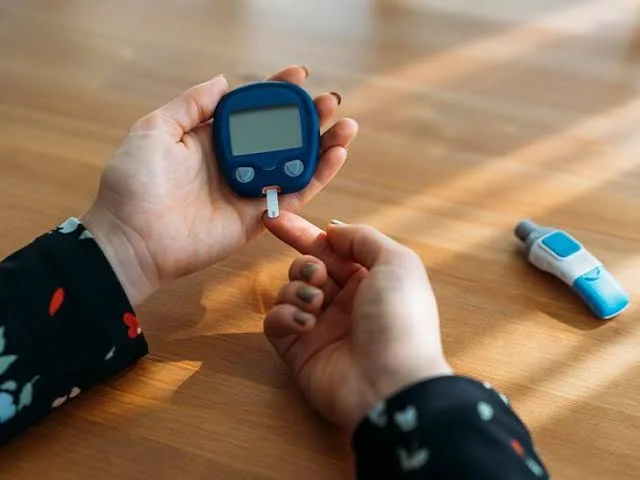
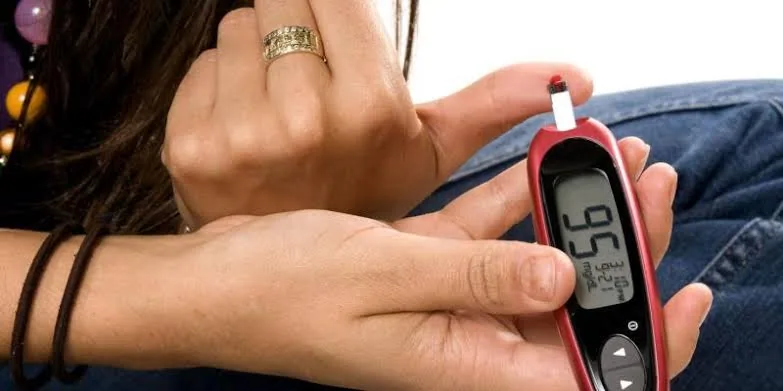
  1. Traditional Glucometers (Fingerstick Monitors)

The most common and affordable option.

Requires a finger prick to get a small blood sample.

Displays blood sugar levels within seconds.

  • Pros: Simple, inexpensive, and widely available.

  • Cons: Requires multiple finger pricks per day, which can be painful over time.
Glucose Monitors: A Lifeline for Managing Blood Sugar

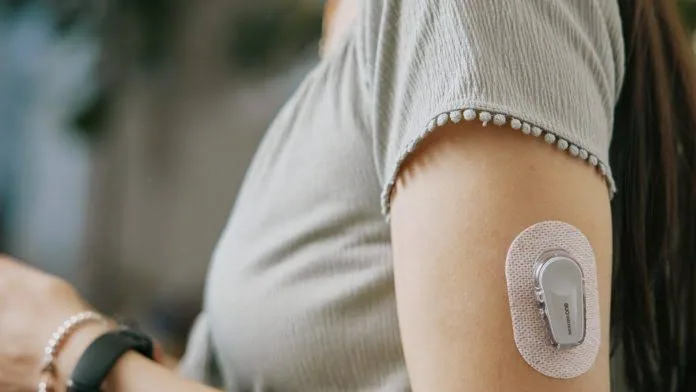
  1. Continuous Glucose Monitors (CGMs)

A small sensor is placed under your skin (usually on the arm or abdomen).

Continuously tracks blood sugar levels throughout the day and night.

Sends real-time data to your phone or insulin pump, alerting you to dangerous highs or lows.

  • Pros: No finger pricking, real-time tracking, and customizable alerts.

  • Cons: More expensive, requires sensor replacements every few days.
Glucose Monitors: A Lifeline for Managing Blood Sugar

Which one is best? If you only need occasional checks, a traditional glucometer works well. But if you want round-the-clock insights without constant finger pricking, a CGM is worth considering.

How to Get the Most Accurate Readings

A glucose monitor is only useful if the readings are accurate. Follow these five golden rules to ensure precision:

  • Wash your hands before testing – Even a tiny bit of food or lotion on your fingers can throw off the results.

  • Measure at consistent times – First thing in the morning, before meals, and before bed are key moments to check.

  • Keep your device clean and calibrated – Dust and old test strips can lead to errors. Replace them regularly.

  • Rotate test sites – If you’re using a fingerstick monitor, don’t prick the same spot every time, it can cause soreness and calluses.

  • Compare with lab tests – If your readings seem off, bring your device to your next doctor’s appointment for a calibration check.
Glucose Monitors: A Lifeline for Managing Blood Sugar

Key Benefits of Regular Blood Sugar Monitoring

  1. Prevents Dangerous Spikes and Crashes

A blood sugar drop (hypoglycemia) can leave you dizzy, shaky, and confused. A spike (hyperglycemia) can lead to long-term damage. Monitoring helps you catch these swings early and take action.

  1. Optimizes Medication and Insulin Use

Are your medications working? Are you taking the right insulin dose? Tracking your numbers daily gives doctors the data they need to fine-tune your treatment plan.

  1. Helps You Make Smarter Food and Lifestyle Choices

Ever wonder how that big pasta dinner or an intense workout affects your blood sugar? With regular monitoring, you’ll start seeing patterns, and making better choices as a result.

  1. Gives You Peace of Mind

No more guessing. No more worrying. Just clear, reliable data that puts you in control of your health.

When to See a Doctor

Checking your blood sugar at home is essential, but it doesn’t replace medical care. See a doctor if you experience:

  • Consistently high blood sugar (above 180 mg/dL after meals)

  • Frequent low blood sugar episodes (below 70 mg/dL)

  • Unexplained weight loss, constant thirst, or slow-healing wounds

  • Vision problems, numbness, or tingling in your hands and feet.

Final Thoughts

A glucose monitor isn’t just a device, it’s a lifeline. Whether you’re using a fingerstick monitor or a CGM, regular tracking empowers you to take control of your health.

Image credits

  • Heading image: GeoMed

More Medical devices

View all
Mastering Stents: A Comprehensive Guide to Types, Placement, and Medical Applications Surgical & implantable devices

Mastering Stents: A Comprehensive Guide to Types, Placement, and Medical Applications

Stents have become indispensable in modern medicine. From restoring blood flow in blocked arteries to relieving obstructions in ducts and airways, these tiny mesh tubes have revolutionized how we manage a wide range of critical health conditions. In this comprehensive guide, we explore the fundamentals of stents, including their types, placement procedures, clinical applications, and the factors that influence their success. Whether you are a medical student, healthcare professional, or simply interested in how these life-saving devices function, this article provides the clarity and depth needed to fully understand stents and their role in clinical practice.

4 min read
The Power-PRO Stretcher: Revolutionizing Emergency Patient Transport Hospital & emergency equipment

The Power-PRO Stretcher: Revolutionizing Emergency Patient Transport

In high-stress emergency situations, every second counts and every movement matters. For paramedics and emergency responders, transporting patients safely and efficiently can make the difference between life and death. That’s where the Power-PRO Stretcher comes in a groundbreaking innovation that has transformed how patients are lifted, moved, and transported in ambulances.

3 min read
This New Surgical Technology Lets Doctors Navigate the Body Like a 3D Map Surgical & implantable devices

This New Surgical Technology Lets Doctors Navigate the Body Like a 3D Map

Eleven times more accurate. That's the stunning precision improvement surgeons are achieving with 3D surgical navigation systems compared to traditional freehand techniques! While GPS revolutionized how we navigate streets and highways, a similar transformation is quietly revolutionizing operating rooms worldwide turning the human body into an interactive 3D map that surgeons can follow with millimeter precision. Gone are the days when surgeons relied solely on their experience and intuition to navigate complex anatomy. Today's operating rooms are becoming high-tech command centers where sophisticated tracking systems guide surgical instruments through the body's intricate pathways, much like a GPS guides your car through unfamiliar territory. This isn't science fiction it's happening right now in hospitals across the globe, and the results are nothing short of remarkable.

6 min read
Are Vibration Plates Worth It? Science-Backed Benefits and How to Use Them Right Fitness & wellness devices

Are Vibration Plates Worth It? Science-Backed Benefits and How to Use Them Right

"A 10-minute session on a vibration plate can engage your muscles as much as an hour of conventional training." That’s not just hype it’s a growing body of research. And it’s got people, from gym-goers to physical therapists, talking. You’ve probably seen those strange-looking platforms in a gym corner or on a wellness website. They vibrate. You stand or squat on them. And supposedly, magic happens. But are vibration plates a shortcut to fitness or just another fleeting trend? The answer lies somewhere in between. Used the right way, they can be a powerful tool in your wellness routine. Used the wrong way, they can be useless or worse, cause harm. Let’s break down what they do, what science says, and most importantly, how to use them safely and effectively.

3 min read