What Exactly Is an X-ray?
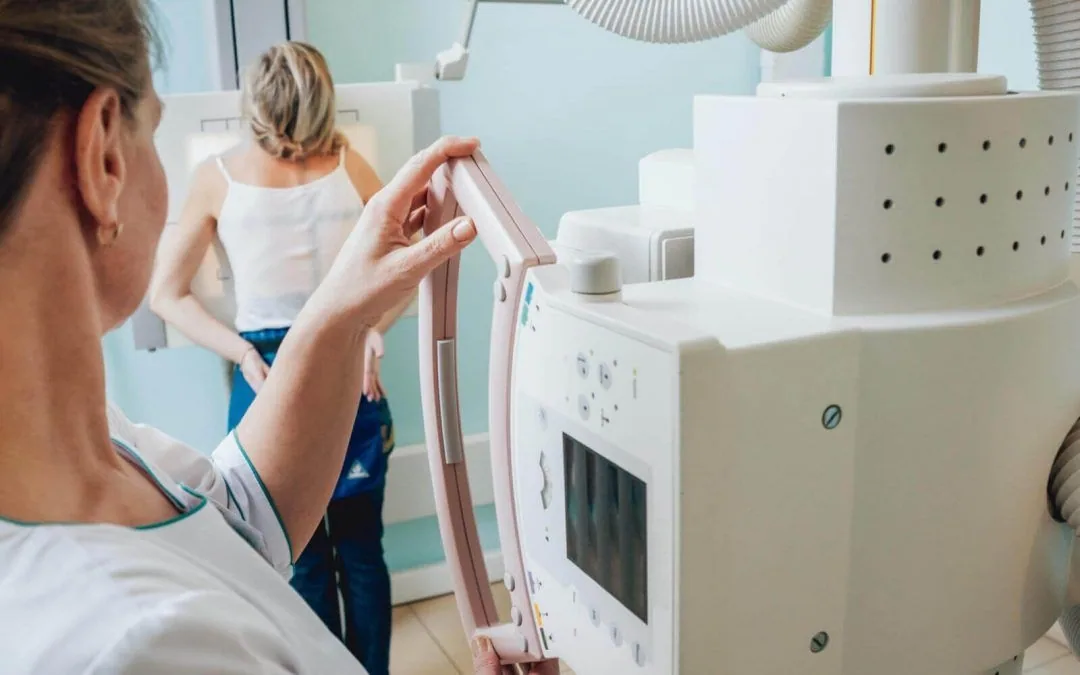
Imagine trying to fix a car engine while the hood is closed, nearly impossible, right? That’s where X-rays come in. They act like a window into the body, using invisible waves of energy to capture detailed images of bones, lungs, and even soft tissues.
- Bones show up bright white because they block X-rays the most.
- Muscles and organs appear in shades of gray since they let some rays pass through.
- Air-filled spaces, like lungs, look dark because X-rays pass right through them.
In just a few seconds, an X-ray can reveal fractures, infections, or even swallowed objects (yes, kids eat the strangest things!).
When Do You Need an X-ray?
Doctors don’t order X-rays just for fun, they’re essential for spotting hidden issues.
- Suspected Fractures & Joint Pain
Rolled your ankle playing basketball? An X-ray can tell if it’s a sprain or a break.
Stiff, aching knees? It might be early arthritis, X-rays show how much cushioning your joints have left.
- Lingering Cough or Chest Pain
That nagging cough could be more than allergies, X-rays detect pneumonia, bronchitis, or even lung cancer.
If breathing suddenly feels harder, an X-ray can reveal fluid buildup or a collapsed lung.
- Dental & Jaw Issues
Ever had a dentist take an X-ray before a filling? They use it to spot cavities before they get worse.
If your wisdom teeth are causing pain, X-rays show if they’re impacted and need removal.
- Digestive & Abdominal Problems
Swallowed a coin? (Parents, you know the struggle.) X-rays help locate foreign objects fast.
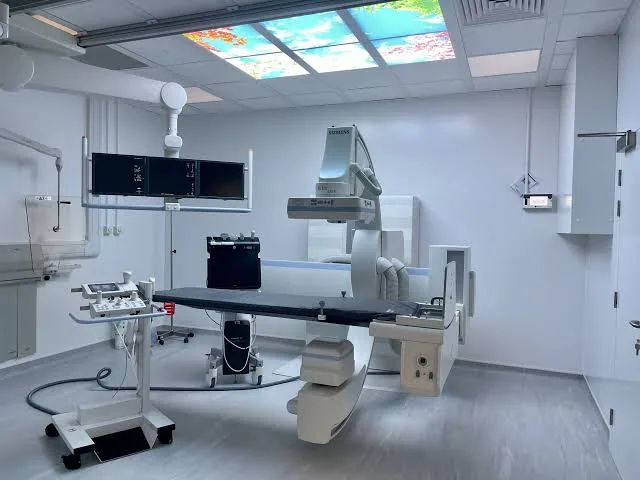
Unexplained stomach pain? X-rays can detect kidney stones or intestinal blockages.
Are X-rays Safe?
Yes! While X-rays use radiation, the exposure is minimal, about the same as a few hours on a long flight. Plus, doctors only order them when absolutely necessary. To keep exposure as low as possible:
-
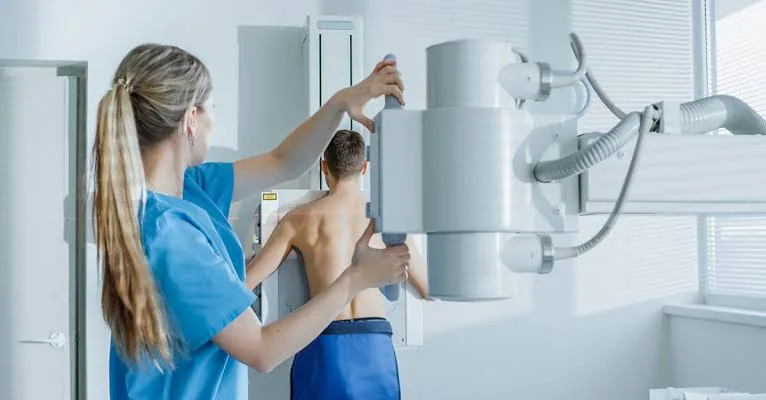
Technicians use lead aprons to shield sensitive areas.
-
Pregnant? Always let your doctor know before getting an X-ray.
What Can You Do to Avoid Needing an X-ray?
Sometimes, X-rays are unavoidable (you can’t always prevent accidents!), but small steps can keep you healthier:
- Strengthen your bones – Get enough calcium and vitamin D to lower fracture risks.
- Take care of your lungs – Avoid smoking, and don’t ignore chronic coughs.
- Protect your teeth – Regular brushing and dental checkups prevent painful surprises.
- Move carefully – Use proper form when lifting and watch your step on slippery floors.
When Should You See a Doctor?
Not sure if your pain or symptoms need an X-ray? Here’s a simple rule:
-
If pain, swelling, or breathing issues don’t improve, or get worse, don’t wait it out.
-
If a fall or accident leaves you unable to move a limb properly, get checked ASAP.
Better safe than sorry, a quick X-ray can give clear answers and peace of mind.
Final Takeaway
X-rays may not be flashy, but they’re life-saving tools that catch hidden problems before they get worse. They take just minutes but can mean the difference between a quick fix and a serious complication. Your health is too important to guess, when in doubt, check it out!