Overview
Blastomycosis is an infection caused by the fungus Blastomyces, which lives in moist soil and decaying wood, particularly near rivers and lakes in parts of North America, especially around the Great Lakes and the Ohio and Mississippi river valleys, and in parts of Africa and India. People are infected by breathing in fungal spores, often during outdoor activities such as hiking, hunting, camping or construction work.
Many infections cause no symptoms or a mild illness. In others, the fungus causes pneumonia, which can be mistaken for bacterial pneumonia, tuberculosis or lung cancer. It can spread to the skin, bones, joints, urinary tract and, rarely, the brain. Blastomycosis is not spread from person to person. It is treatable with antifungal medicines.
Because its symptoms resemble many common illnesses, blastomycosis is often diagnosed late, sometimes after several courses of antibiotics. Telling the doctor about outdoor activities in areas where the fungus is found can help speed diagnosis.
When to get urgent help
Seek urgent care for severe breathlessness, coughing blood, high fever, confusion or severe headache.
Causes and risk factors
- Inhaling Blastomyces spores from disturbed soil or rotting wood
- Outdoor activities in endemic areas: hiking, camping, hunting, fishing, logging, construction
- Dogs can also be infected and act as a sign of local risk
- Higher risk of severe disease: weakened immune system, such as after organ transplant or with HIV, and older age
How it develops (pathophysiology)
The fungus
Blastomyces is a dimorphic fungus: in soil at cooler temperatures, it grows as mould producing spores (conidia); at body temperature, it changes into a yeast form.
What goes wrong
- Inhalation: spores are breathed into the lungs.
- Transformation: at body temperature, spores convert into large, thick-walled yeast cells with characteristic broad-based budding.
- Immune response: alveolar macrophages and neutrophils attack the fungus. The yeast's surface adhesin (BAD-1) helps it attach to host cells and suppress immune responses. T cell immunity is important for controlling infection.
- Inflammation: the immune response forms a mixture of pus and granulomas (pyogranulomatous inflammation) in the lungs.
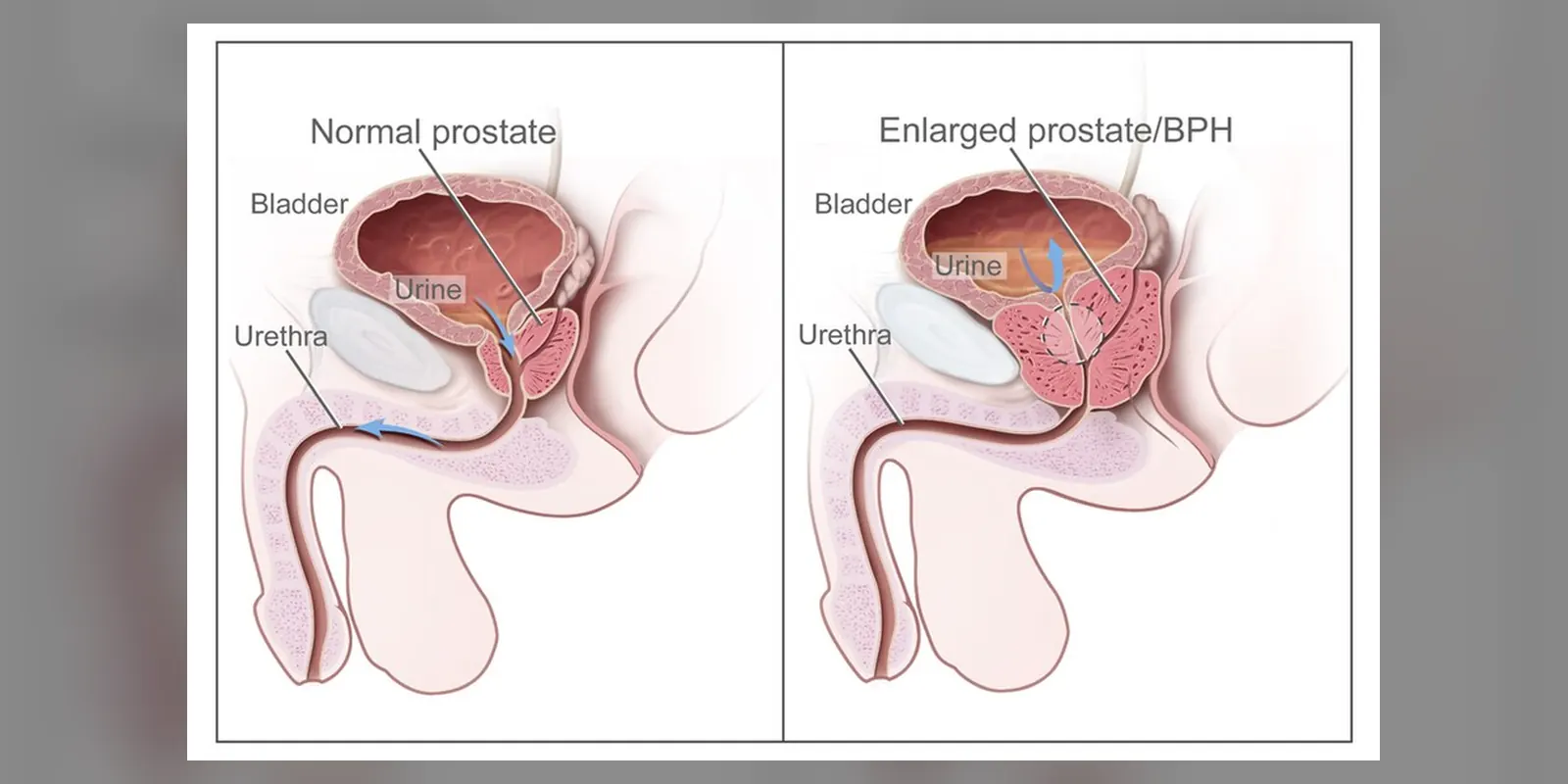
- Spread: in some people, the fungus spreads through the blood to the skin, bones, joints, prostate and brain.
Why the symptoms happen
- Fever, cough, chest pain and breathlessness result from lung inflammation.
- Weight loss and night sweats reflect chronic infection.
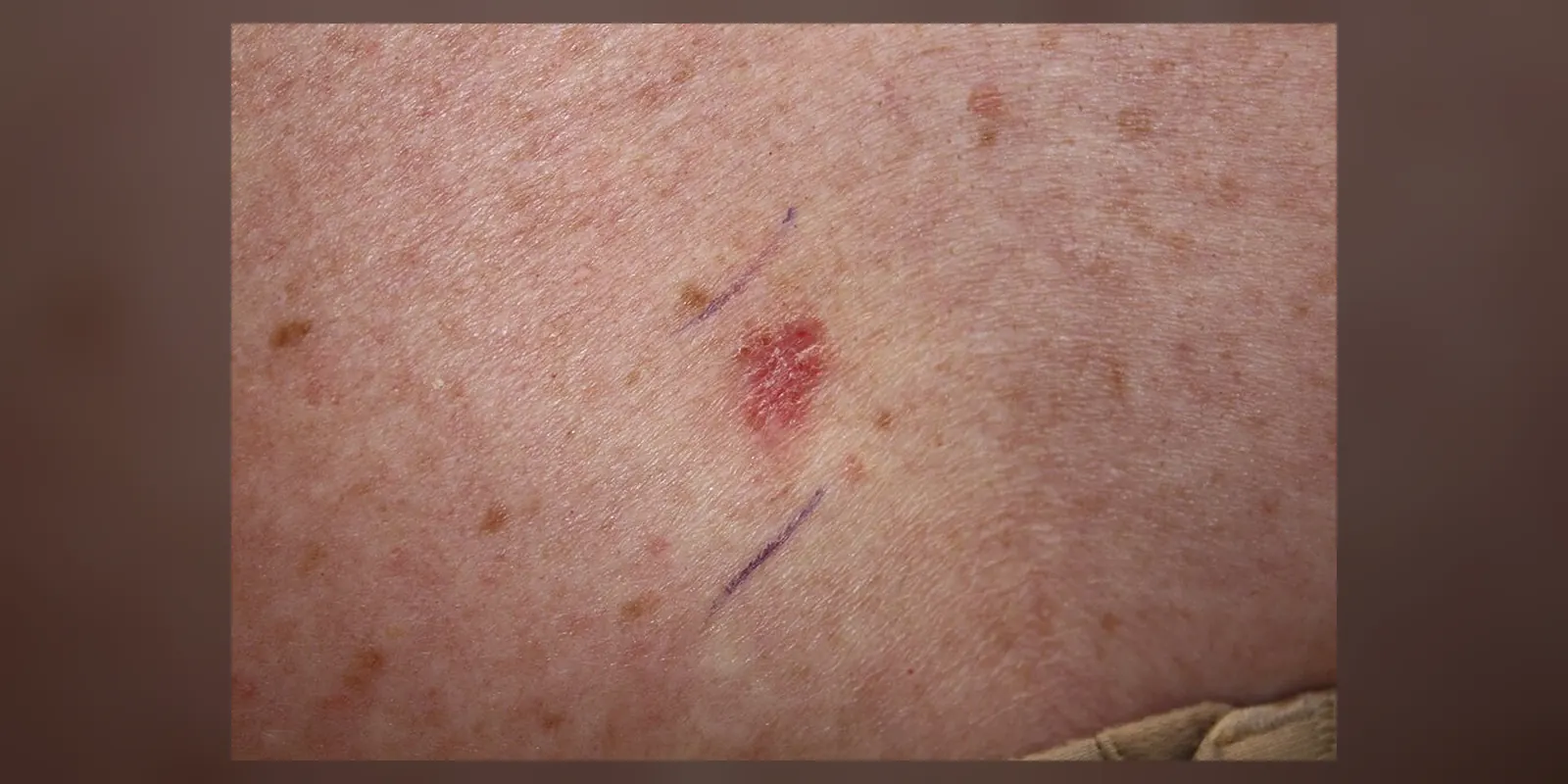
- Skin lesions, such as raised, crusted or warty plaques and ulcers, reflect spread to the skin.
- Bone pain reflects bone infection.
- Urinary symptoms may reflect prostate or kidney involvement.
- Severe breathlessness may occur with acute respiratory distress syndrome in severe infection.
How treatment acts on the mechanism
Itraconazole blocks the fungus's production of ergosterol, an essential component of its cell membrane, and is used for mild to moderate disease, usually for 6 to 12 months. Amphotericin B binds directly to ergosterol, punching holes in the membrane, and is used for severe disease or brain involvement before switching to itraconazole.
Healthy people usually control the infection through T cell immunity, which activates macrophages to kill the yeast. This is why most infections remain mild or unnoticed, while people with weakened T cell immunity, such as transplant recipients or people with advanced HIV, are more likely to develop severe or widespread disease. Unlike bacterial pneumonia, blastomycosis does not improve with standard antibiotics, which is an important clue to the diagnosis. The yeast's thick wall also makes it resistant to destruction, contributing to chronic infection if untreated.
Types
- Asymptomatic infection
- Acute pulmonary blastomycosis
- Chronic pulmonary blastomycosis
- Disseminated blastomycosis: skin, bone, genitourinary and brain involvement
Signs and symptoms
- Fever and chills
- Cough, sometimes with mucus or blood
- Chest pain
- Breathlessness
- Tiredness
- Muscle and joint aches
- Night sweats and weight loss
- Skin sores or warty lumps that may ulcerate
- Bone pain
- Symptoms often begin three weeks to three months after exposure
Skin lesions may be the first sign in some people, and can look like warts, ulcers or skin cancer. Lung symptoms may be mild and come on slowly over weeks to months.
How it is diagnosed
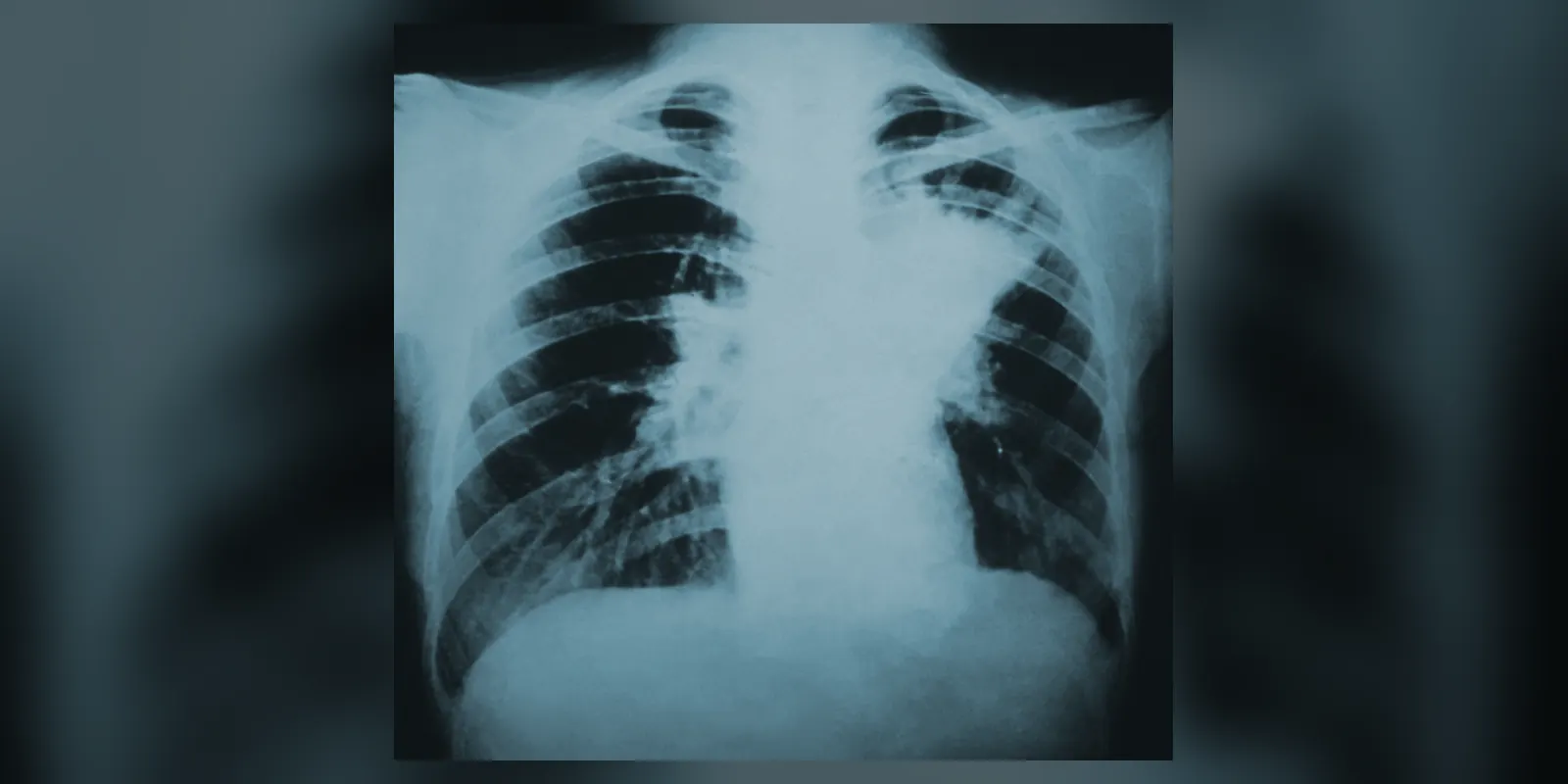
- Chest X-ray or CT: may show pneumonia, masses or cavities
- Sputum, tissue or fluid samples for microscopy and culture, showing broad-based budding yeasts
- Urine antigen test
- Biopsy of skin or other lesions
- Blood tests for antibodies (less reliable)
Possible complications
- Severe pneumonia and acute respiratory distress syndrome
- Spread to skin, bones, joints and the genitourinary tract
- Brain infection (meningitis or abscess)
- Recurrence
- Death in severe or untreated cases
Goals of treatment
Treatment aims to clear the infection, relieve symptoms and prevent spread and recurrence.
Medicines
- Itraconazole for mild to moderate disease, for 6 to 12 months
- Liposomal amphotericin B for severe disease, followed by itraconazole
- Voriconazole or posaconazole as alternatives, including for brain involvement
Itraconazole should be taken as advised, with or without food depending on the formulation, and blood levels are checked to make sure enough medicine is absorbed. It interacts with many other medicines, so all current medicines should be reviewed.
Other treatments
- Supportive care: oxygen and breathing support for severe pneumonia
- Drainage of abscesses
- Surgery for some bone or other infections
Living with it and prevention
There is no vaccine. In endemic areas:
- Be aware of the risk during activities that disturb soil and rotting wood
- People with weakened immunity may wish to limit such activities
- Seek medical advice for persistent pneumonia that does not respond to antibiotics, especially after outdoor activities
Monitoring and follow-up
Itraconazole blood levels and liver function are monitored during treatment. Follow-up imaging checks response.
Outlook
Most people recover with treatment. Severe disease and infection in people with weakened immunity carry higher risk of death.
Special considerations
- People with weakened immunity: more likely to have severe or disseminated disease
- Pregnancy: amphotericin B is preferred, as azoles may harm the baby
- Travellers to endemic areas: should mention travel history if they develop pneumonia