Overview
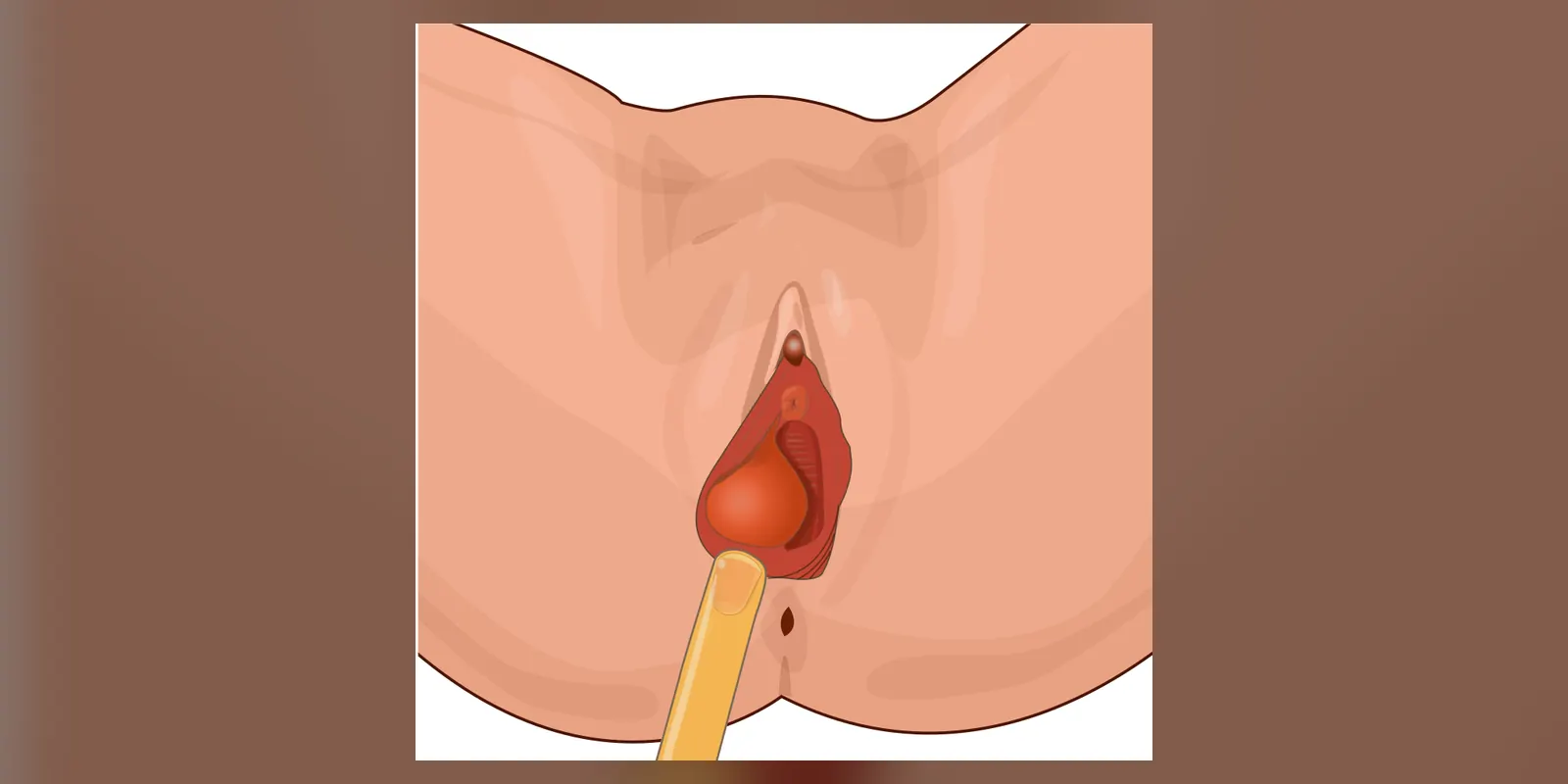
A Bartholin's cyst is a fluid-filled swelling that develops on one side of the entrance to the vagina when a Bartholin's gland becomes blocked. The two Bartholin's glands sit just inside the vaginal opening and produce fluid that lubricates the vagina.
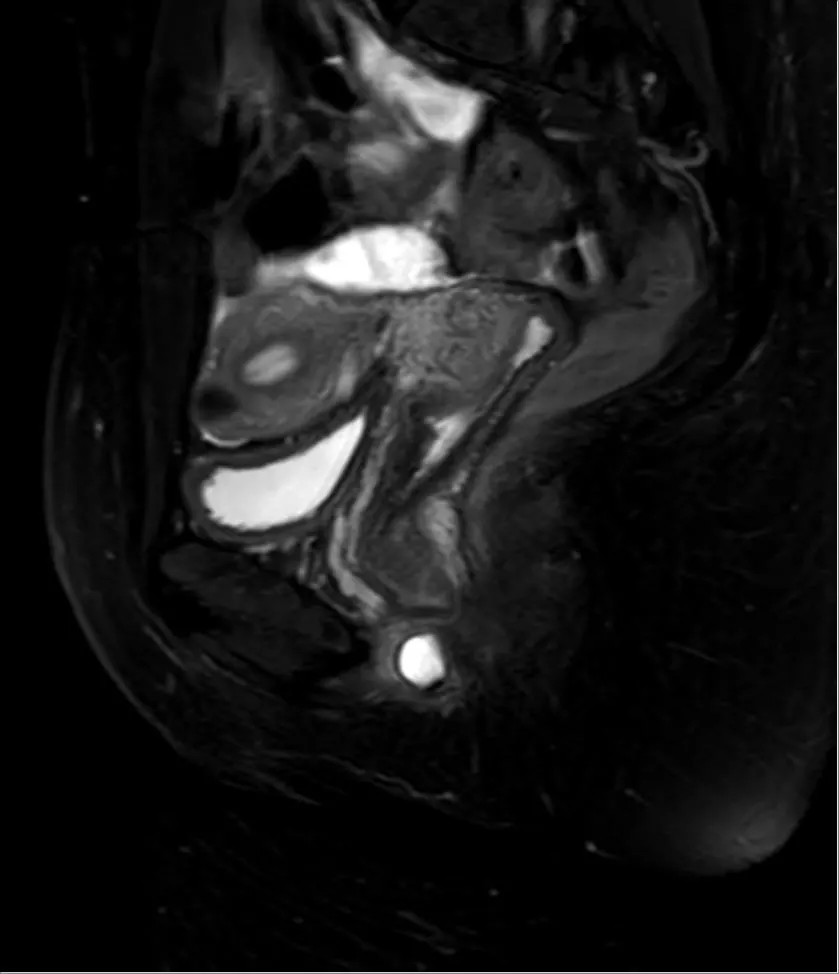
Small cysts are often painless and may go unnoticed, but larger ones can cause discomfort when walking, sitting or during sex. If the cyst becomes infected, it can form a Bartholin's abscess, which is very painful, red and swollen. Bartholin's cysts are common, affecting about two in every hundred women, most often between the ages of 20 and 30. Small, painless cysts often need no treatment, while abscesses usually need drainage.
Bartholin's cysts are not caused by poor hygiene and are not usually a sign of a sexually transmitted infection, although infections can sometimes be involved. They are a common and very treatable problem, and many women find it reassuring to know that a small painless cyst often needs no treatment at all.
When to get urgent help
Seek prompt care for a painful, rapidly growing, red lump, fever, difficulty walking or sitting, or a lump that persists, especially in women over 40.
Causes and risk factors
- Blockage of the gland duct, often with no clear cause
- Infection of the gland or cyst by bacteria, such as E. coli, staphylococci or streptococci, and sometimes sexually transmitted infections such as gonorrhoea or chlamydia
- Injury or swelling of the area
- Previous surgery in the area
- More common in sexually active women of reproductive age
How it develops (pathophysiology)
Normal anatomy and function
The Bartholin's glands are two pea-sized glands located on either side of the vaginal opening, at about the four and eight o'clock positions. Each gland has a short duct about 2 to 2.5 cm long that opens just inside the vaginal entrance. The glands produce mucus-like fluid that helps lubricate the vulva and vagina, especially during sexual arousal.
What goes wrong
- Duct blockage: the duct opening becomes blocked, for example by thickened mucus, swelling, injury or scar tissue.
- Fluid build-up: the gland continues to produce fluid, which cannot drain, so the duct swells and forms a cyst. Cysts are usually filled with clear, sterile fluid.
- Infection: bacteria from the skin, vagina or bowel can enter the gland or cyst. The immune system responds by sending white blood cells, which, along with dead tissue and bacteria, form pus. This creates an abscess.
- Pressure and inflammation: pus builds up quickly, stretching the tissue and causing severe pain, redness and swelling. If untreated, an abscess may burst on its own.
- Recurrence: after drainage, the duct can block again, leading to recurrent cysts or abscesses.
Why the symptoms happen
- A painless lump near the vaginal opening reflects a fluid-filled cyst.
- Pain, swelling and redness occur with infection and abscess formation, as pressure and inflammation stimulate nerve endings.
- Pain when walking, sitting or during sex occurs because the swelling is in a sensitive area that is compressed by movement.
- Fever can occur with abscesses.
How treatment acts on the mechanism
Warm baths may encourage small cysts to drain. Antibiotics treat infection. Incision and drainage relieves pressure. Word catheter insertion and marsupialisation create a new, permanent opening for the gland to drain, reducing the chance of recurrence. Gland removal is reserved for repeated problems.
Types
- Bartholin's cyst: non-infected, fluid-filled
- Bartholin's abscess: infected, pus-filled
- Recurrent Bartholin's cyst or abscess
Signs and symptoms
- A soft, painless lump on one side of the vaginal opening (small cysts)
- Discomfort when walking, sitting or during sex (larger cysts)
- A tender, red, hot, swollen lump (abscess)
- Severe pain
- Fever and feeling unwell (with abscess)
- Discharge if the abscess bursts
Cysts usually affect only one side. Some women notice the lump while washing, or during a routine examination. An abscess typically develops over two to four days and can become very painful, making it difficult to sit down.
How it is diagnosed
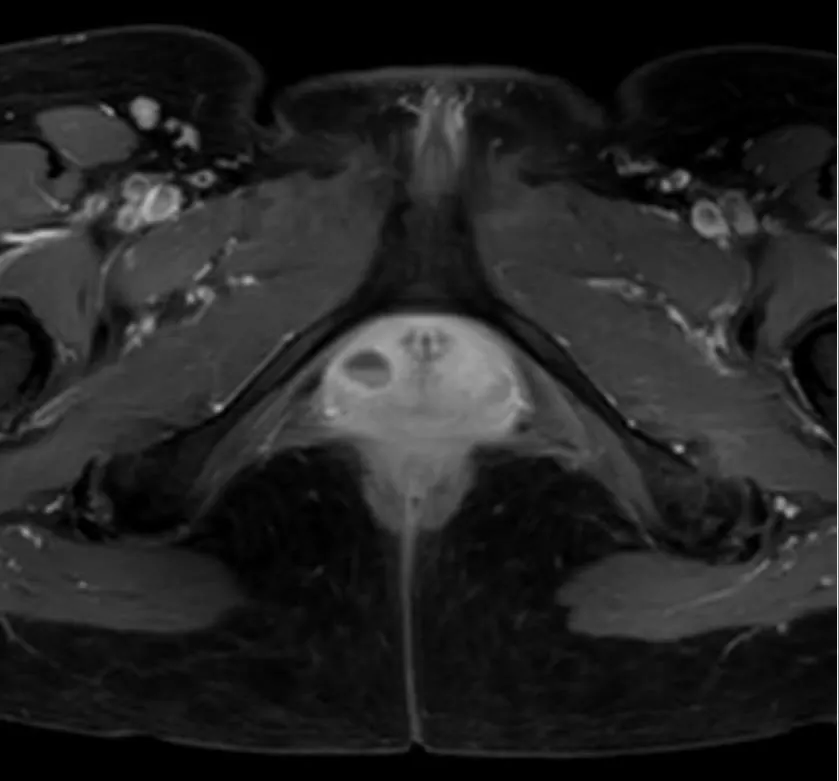
- Examination of the vulva
- Swabs for infection, including sexually transmitted infections
- Biopsy in women over 40 or with unusual or persistent lumps, to exclude rare cancer of the gland
Possible complications
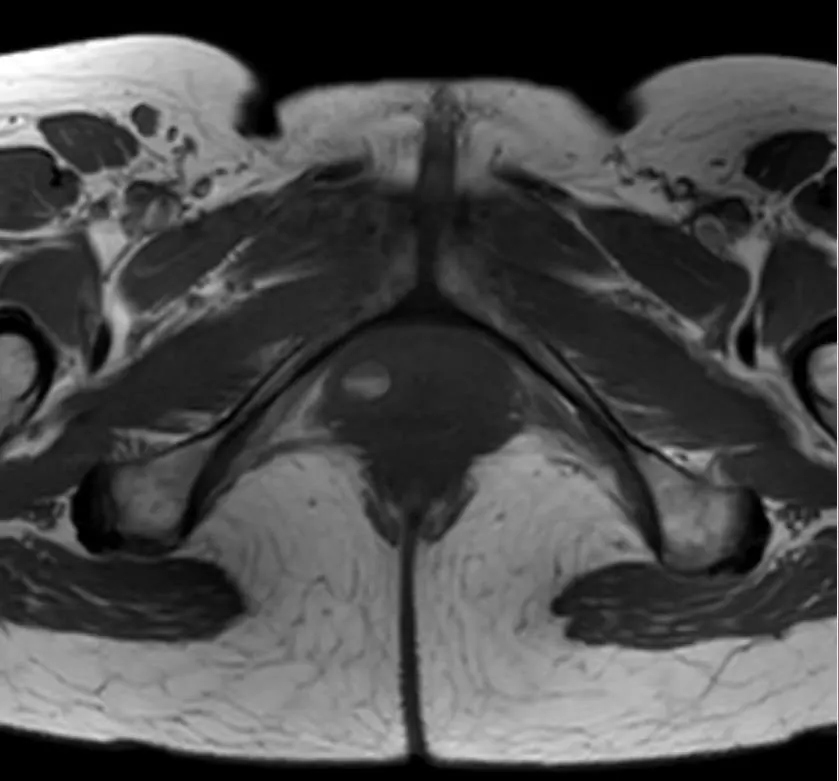
- Abscess formation
- Recurrence
- Spread of infection (cellulitis), rarely
- Rarely, Bartholin's gland cancer, mainly in women over 40
Goals of treatment
Treatment aims to relieve pain and swelling, treat infection, and reduce the risk of recurrence.
Medicines
- Pain relief: paracetamol or ibuprofen
- Antibiotics for abscesses with spreading infection or for sexually transmitted infections
- Local anaesthetic for procedures
Other treatments
- Warm baths (sitz baths) several times a day for small cysts
- Incision and drainage of an abscess
- Word catheter: a small balloon catheter left in place for several weeks to create a drainage channel
- Marsupialisation: a minor operation stitching the cyst open to create a permanent drainage opening
- Gland excision for recurrent problems
After a Word catheter or marsupialisation, most women can return to normal activities within a few days. Sex and tampons are usually avoided for a few weeks to allow healing.
Living with it and prevention
Bartholin's cysts cannot always be prevented. It may help to:
- Practise safer sex and use condoms to reduce sexually transmitted infections
- Keep the area clean
- Seek early treatment for infections
Wearing loose cotton underwear and avoiding perfumed products on the vulva may help keep the area comfortable.
Monitoring and follow-up
After drainage, symptoms usually settle within days. Recurrence is possible, and repeated cysts may need further treatment.
Outlook
Most Bartholin's cysts and abscesses respond well to treatment. Recurrence is common, but procedures such as marsupialisation reduce this.
Special considerations
- Women over 40: new or unusual lumps should be checked to exclude cancer
- Pregnancy: treatment may be adapted
- People with recurrent abscesses: may need further investigation