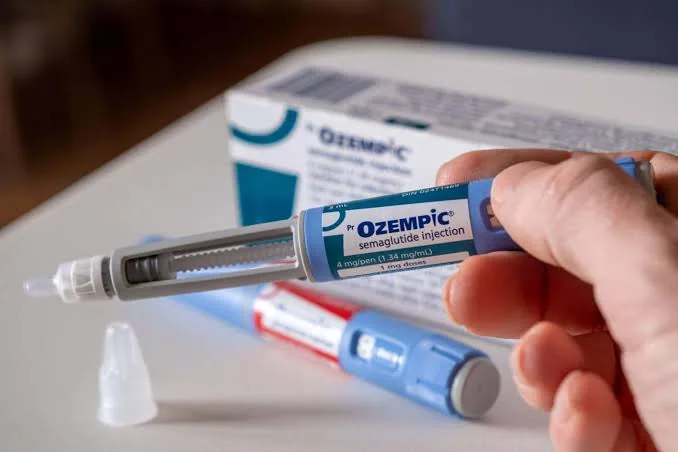
Your Body Becomes a Different Machine on Ozempic
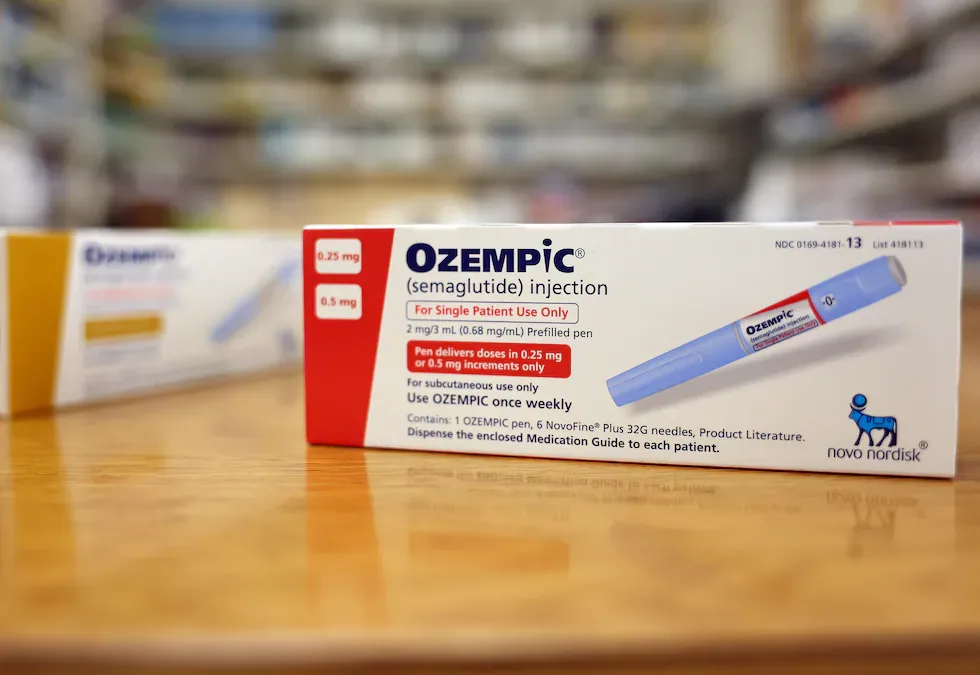
Let's start with the basics. Ozempic (semaglutide) is a GLP-1 receptor agonist that mimics a gut hormone with targets throughout your body your pancreas, gut, liver, and critically, your brain. When you drink alcohol on Ozempic, you're not dealing with the same biological system you had before starting the medication. Everything changes.
Recent research published in Nature in October 2024 revealed something fascinating and concerning: Ozempic fundamentally alters how alcohol hits your bloodstream. Participants taking GLP-1 medications showed a significantly delayed rise in breath alcohol concentration compared to controls meaning the alcohol took longer to enter their system, but when it did, the effects were different and potentially unpredictable. Nature
Think about that. The timing of alcohol's effects changes. Your body's response changes. And most people drinking on Ozempic have no idea this is happening.
The Gastroparesis Factor: Why Your Stomach Becomes a Holding Tank
Here's where things get genuinely dangerous. Ozempic slows gastric emptying the rate at which food and liquid leave your stomach and enter your intestines. This is actually one of the mechanisms by which it helps with weight loss; you feel fuller longer because food literally sits in your stomach longer.
But alcohol works differently. It's primarily absorbed in your upper intestine, not your stomach. When Ozempic delays gastric emptying, alcohol sits in your stomach longer before reaching the intestines where it gets absorbed into your bloodstream. This creates a delayed-release effect that can catch you completely off guard.
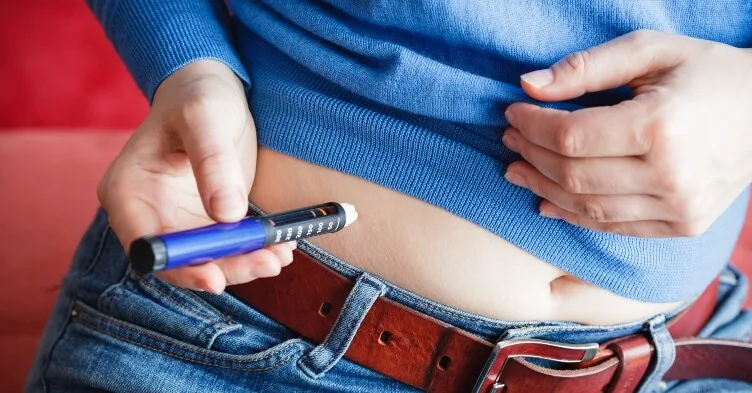
You might have two drinks and feel relatively fine. Then thirty minutes later boom the alcohol finally hits your bloodstream all at once, and you're significantly more intoxicated than you expected to be. This isn't theoretical! The 2024 Nature study documented this exact phenomenon, showing participants on GLP-1 medications had blunted initial breath alcohol readings that later caught up.
And let's talk about what happened in some medical cases: patients on GLP-1 medications who underwent surgery after following standard fasting protocols still had retained stomach contents and experienced regurgitation. Their stomachs simply weren't emptying normally. Now imagine that scenario with alcohol involved.
The Hypoglycemia Time Bomb
If you have Type 2 diabetes and you're taking Ozempic, mixing it with alcohol creates a perfect storm for dangerously low blood sugar. Here's why: both Ozempic and alcohol affect how your liver regulates blood glucose. Alcohol interferes with your liver's ability to release stored glucose to maintain blood sugar balance. When combined with Ozempic's glucose-lowering effects, you're at significantly higher risk for hypoglycemia.
Low blood sugar isn't just uncomfortable it's dangerous. Symptoms include confusion, dizziness, rapid heartbeat, sweating, and in severe cases, loss of consciousness or seizures. And here's the terrifying part: the symptoms of hypoglycemia can look a lot like being drunk. You might not realize you're in medical danger until it's too late.
The medical recommendation is clear: if you're going to drink on Ozempic, check your blood sugar before, during, and after. Keep fast-acting carbohydrates like glucose tablets on hand. Never drink on an empty stomach. These aren't suggestions they're requirements for safety. Ozempeic save from drinking
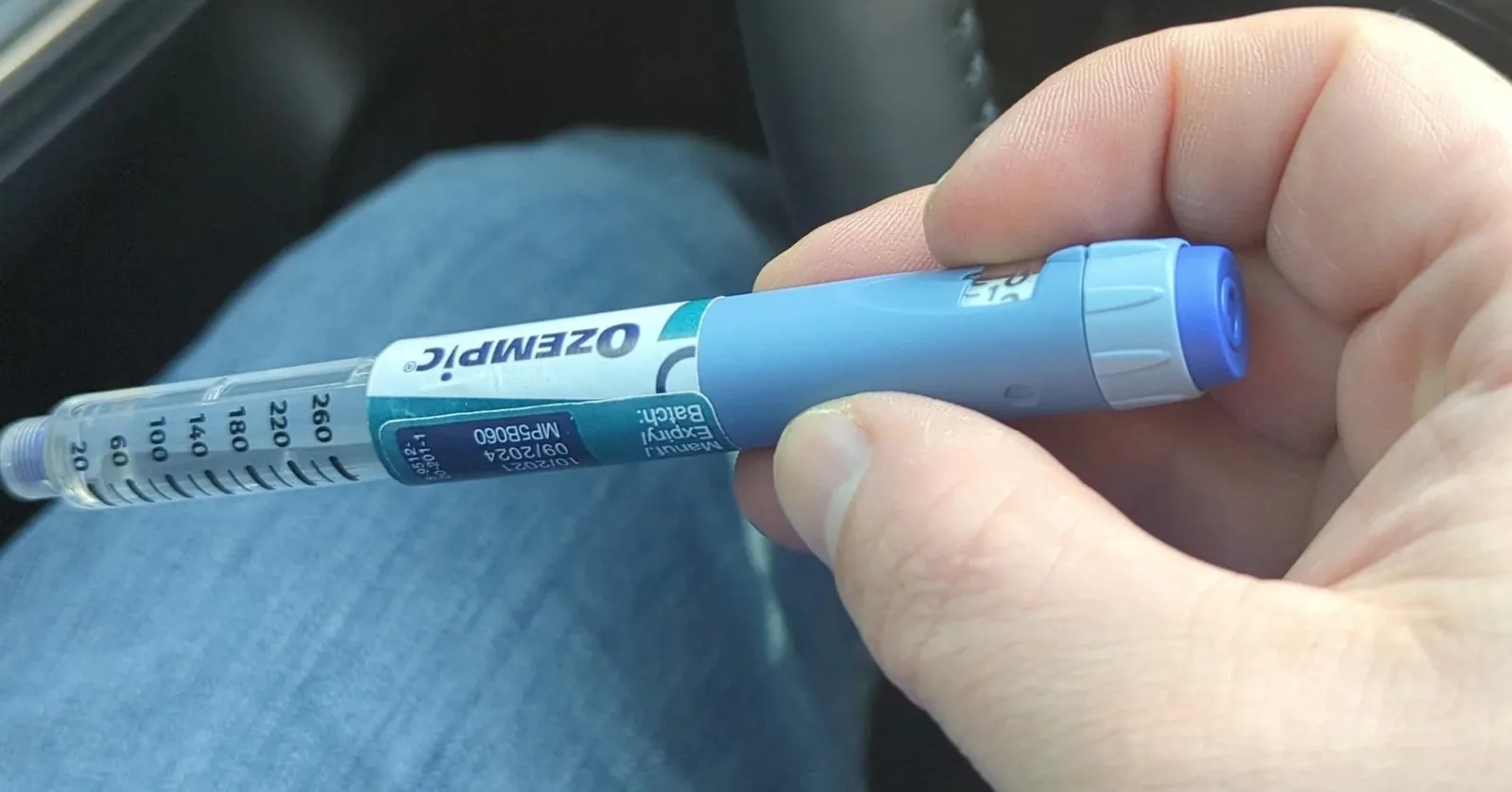
Nausea, Vomiting, and the Gastrointestinal Nightmare
Ozempic's most common side effects are gastrointestinal: nausea, vomiting, diarrhea, and stomach upset. These effects are typically worst when you first start the medication and after dose increases. Now add alcohol which also irritates your stomach lining and can cause nausea and vomiting into this mix.
I've seen patients describe drinking on Ozempic as one of the most miserable experiences of their lives. The combination amplifies digestive side effects dramatically. What might have been tolerable nausea from Ozempic alone becomes severe enough to ruin your evening or send you to the emergency room.
And the dehydration risk? It's compounded exponentially. Both Ozempic-induced vomiting and alcohol's diuretic effects can leave you seriously dehydrated, which increases your risk of kidney damage.
The Pancreatitis and Kidney Damage Risk You Can't Ignore
Let's talk about the serious, potentially life-threatening complications. Pancreatitis inflammation of the pancreas is a rare but documented side effect of Ozempic. It's also associated with heavy alcohol use. Combining these two risk factors is playing with fire.
Pancreatitis is not something you want. Ever. The pain is excruciating, often described as the worst pain imaginable, radiating from your upper abdomen through to your back. It requires hospitalization, and in severe cases, it can be fatal.
Similarly, while Ozempic can actually have positive effects on kidney function in some diabetes patients, there's a risk of kidney damage if you become severely dehydrated from side effects. Add alcohol which can also damage kidneys and causes dehydration through increased urination and you're multiplying your risks. GoodRx
The Paradox: Ozempic Might Actually Reduce Your Desire to Drink
Here's where things get interesting. Multiple studies including a landmark randomized clinical trial published in JAMA Psychiatry in February 2025 have shown that semaglutide significantly reduces alcohol consumption and cravings in people with alcohol use disorder.
The trial found that low-dose semaglutide reduced the amount of alcohol consumed during laboratory testing, decreased drinks per drinking day, and significantly reduced weekly alcohol cravings compared to placebo. Effect sizes were large, particularly at the 0.5mg weekly dose. JAMA Psychiatry
Why? Ozempic works on reward pathways in your brain the same circuits involved in alcohol's pleasurable effects. When you drink alcohol, dopamine is released, activating your brain's reward system. GLP-1 receptors are also found in these reward-related brain areas, and they may block or lessen this dopamine boost.
Many patients report losing their taste for alcohol entirely while on Ozempic. They simply don't want to drink anymore. If this happens to you, consider it a gift one less thing to worry about!
What Doctors Actually Recommend
There's no absolute prohibition against drinking on Ozempic. But "technically okay" and "actually safe" are two very different things. Here's what medical professionals genuinely recommend:
If you choose to drink:
-
Moderate consumption only. That means up to one drink per day for women, two for men and honestly, less is better.
-
Never drink on an empty stomach. The risks multiply when you haven't eaten.
-
Monitor your blood sugar religiously if you have diabetes. Check before, during, and after drinking.
-
Stay aggressively hydrated. Drink water before, between, and after alcoholic beverages.
-
Have fast-acting carbohydrates available in case of hypoglycemia.
-
Choose low-sugar options when possible to minimize blood sugar swings.
-
Wait until your body adjusts to Ozempic before introducing alcohol, especially after dose increases.
-
Pay attention to timing. That delayed absorption means effects can sneak up on you.
Avoid alcohol completely if:
-
You're experiencing significant gastrointestinal side effects from Ozempic
-
You have a history of pancreatitis
-
You have kidney disease or impaired kidney function
-
You're taking other diabetes medications that increase hypoglycemia risk
-
You're in the first few weeks after starting Ozempic or after a dose increase
The Bottom Line on Your Health
Look, I'm not here to lecture you about whether you should or shouldn't drink. You're an adult, and that's your decision. But you need accurate information to make informed choices about your health.
The combination of Ozempic and alcohol isn't necessarily dangerous for everyone, but it changes the rules of engagement. Your body responds differently. The risks are real: delayed intoxication, severe gastrointestinal distress, dangerous hypoglycemia, and increased risks of pancreatitis and kidney damage.
On the flip side, many people find Ozempic naturally reduces their desire to drink, which could be an unexpected health benefit given alcohol's links to cancer, cardiovascular disease, and numerous other health problems.