What the Gold Standard Research Actually Shows
Here's what's fascinating about this debate: the highest-quality studies paint a completely different picture than the headlines suggest.
The most robust research comes from sibling studies and these are game-changers. When researchers at the Karolinska Institute in Stockholm studied nearly 2.5 million children, they found something remarkable. While initial analysis suggested a tiny increased risk (1.42% vs 1.33% autism rates), this association completely disappeared when they compared siblings within the same family.
Dr. Viktor Ahlqvist, who led this groundbreaking research, explained why this matters: "Siblings share half of their genome and similar upbringing backgrounds, so any detected difference in autism between siblings is more likely to be due to the drug." Nature
A similar high-quality Japanese study of over 200,000 children reached the same conclusion. No link. Zero association when proper controls were applied.
The American College of Obstetricians and Gynecologists (ACOG) was blunt in their response: "In more than two decades of research on the use of acetaminophen in pregnancy, not a single reputable study has successfully concluded that the use of acetaminophen in any trimester of pregnancy causes neurodevelopmental disorders in children."
ACOG
The Real Dangers of Untreated Pain and Fever
While politicians debate, pregnant women face real medical challenges that demand immediate attention. Untreated fever during pregnancy poses documented risks to both mother and baby. Severe headaches can signal preeclampsia - a potentially life-threatening condition.
Read also: Safe Medications for Pregnancy: What You Can and Can’t Take
Dr. Zeyan Liew from Yale's School of Public Health, who's currently conducting extensive research on this topic, puts it perfectly: "Untreated maternal fever or pain certainly poses known risks to pregnancy and child development." Yale School of Public Health
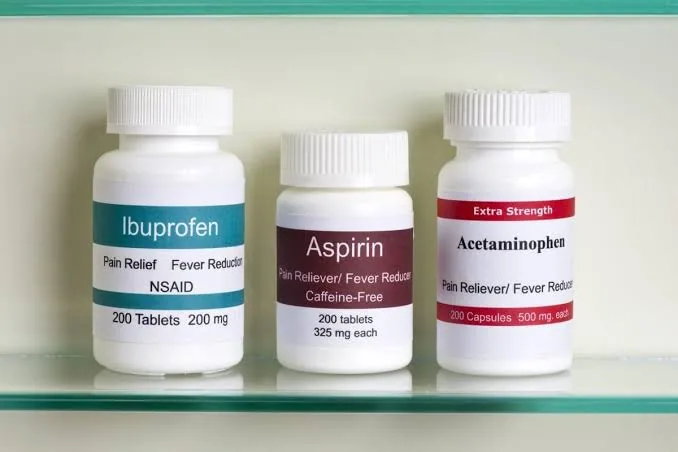
Consider this sobering reality: acetaminophen is often the only safe option available. Other common painkillers like ibuprofen and aspirin carry well-documented risks during pregnancy, especially after 20 weeks of gestation.

Beyond Pills: Your Non-Drug Arsenal
While the acetaminophen debate rages, smart expectant mothers are building comprehensive pain management strategies that don't rely solely on medication. These evidence-based alternatives deserve a prominent place in your toolkit:
Heat and Cold Therapy: Research shows that strategic application of heat to the lower abdomen or cold packs to the lower back can provide significant relief. The key is using them on separate parts of the body simultaneously for maximum effectiveness.
Therapeutic Massage: Studies demonstrate that prenatal massage not only reduces pain perception but also triggers the release of endorphins - your body's natural painkillers. Look for certified prenatal massage therapists who understand pregnancy-specific techniques.
Movement and Positioning: Gentle stretching, prenatal yoga, and position changes can address mechanical sources of discomfort. Maternity support belts provide targeted relief for back and pelvic pain.
Hydrotherapy: Warm baths and showers offer dual benefits muscle relaxation and pain relief. Water immersion has been shown to reduce pain perception during labor and can be equally effective during pregnancy.

Making Smart Decisions in Uncertain Times
The acetaminophen controversy highlights a crucial principle in medicine: perfect information rarely exists, but we must still make informed decisions.
Here's my professional recommendation based on current evidence: If you need pain or fever relief during pregnancy, acetaminophen remains the safest pharmaceutical option when used judiciously. The key principles are simple but critical:
-
Use the lowest effective dose
-
Take it for the shortest duration necessary
-
Always consult with your healthcare provider
-
Consider non-drug alternatives first for mild discomfort
Remember this essential truth: The conditions that lead you to consider acetaminophen - fever, severe headaches, significant pain - often pose greater documented risks than the theoretical concerns being debated.
Read also: Pain Relievers & Fever Reducers: Your Essential OTC Guide
The Bigger Picture on Autism
Lost in this debate is a fundamental scientific reality: autism is an incredibly complex condition with multiple contributing factors. As Dr. Liew notes, "Researchers have not been able to pinpoint a single causal genetic or environmental factor."
The rush to find simple explanations for complex conditions often leads us down rabbit holes that distract from more productive research and support for affected families.

Your Next Steps
Don't let political announcements override medical science. Work with your healthcare provider to develop a personalized pain management strategy that considers your specific needs, medical history, and risk factors.
Document your symptoms, explore non pharmaceutical options first, and maintain open communication with your obstetric team. They have access to your complete medical picture and can guide decisions that generic political announcements simply cannot.