What Is Antimicrobial Resistance? Let’s Keep It Simple
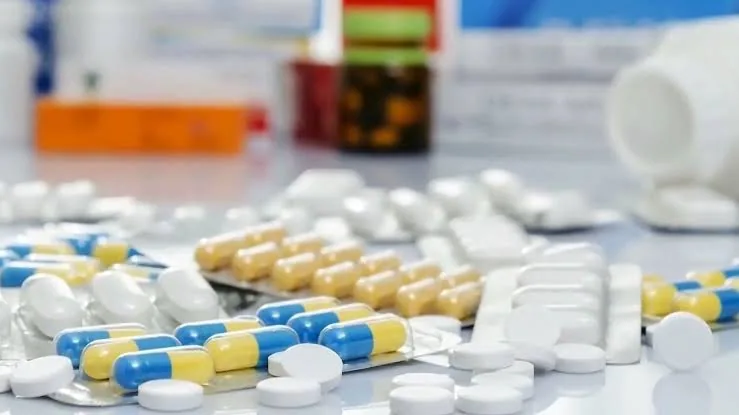
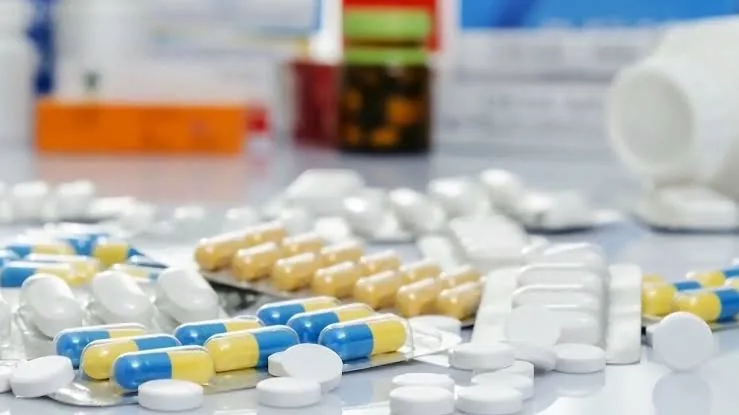
Antimicrobial resistance (AMR) happens when bacteria, viruses, or other microbes stop responding to the drugs designed to kill them. It’s like giving them armor. Normally, antibiotics are supposed to wipe out harmful bacteria. But when we use these drugs too often or incorrectly, the surviving bacteria learn how to fight back. That resistance gets passed on, multiplies, and spreads. Eventually, even our strongest medicines can’t kill them. And that’s where the real danger lies: when common infections turn into life-threatening conditions.
How Misuse and Overuse Worsen the Problem
This part is straightforward. People use antibiotics when they shouldn’t. For example, to treat the flu (which is caused by a virus, not bacteria). Or they take half the dose and stop when they “feel better,” not when the bacteria are fully killed. Others self-medicate without any diagnosis. And guess what? The bacteria that survive those weak or misused doses come back stronger. Over time, we end up with strains of bacteria that shrug off even the best drugs we have. It's not just individuals healthcare providers can also overprescribe, and in many countries, antibiotics are sold over-the-counter without any regulation. The misuse isn’t occasional its widespread. Antimicrobial Resistance
The Silent Contributor: Agriculture
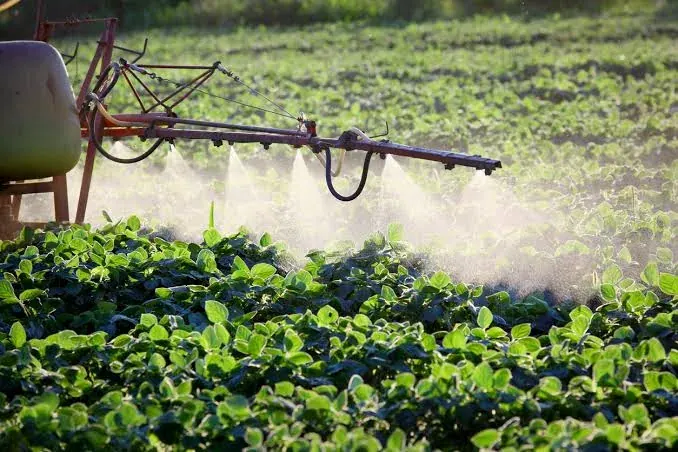
Antibiotics aren't only used in people. In fact, globally, more antibiotics are given to animals than to humans. Farmers use them to prevent disease in livestock or fatten animals for faster growth. Sounds efficient but it’s a problem. These animals become reservoirs for resistant bacteria, which then spread to people through meat, water, or soil. So even if you personally use antibiotics correctly, you could still be exposed to resistant bacteria just by eating poorly regulated meat or living near large-scale farms. It’s all connected.
The Numbers That Should Scare You
Let’s put this into perspective. Around 700,000 people die every year from drug-resistant infections. That’s like wiping out an entire city the size of Boston annually. If current trends continue, the global death toll could hit 39 million per year by 2050 That’s one person every 3 seconds. And it won’t just be a health problem it’ll be economic, too. The World Bank warns that AMR could push 24 million people into extreme poverty in just a few years. Think about that. One careless prescription today can fuel a global disaster tomorrow.
What Resistance Looks Like in Real Life
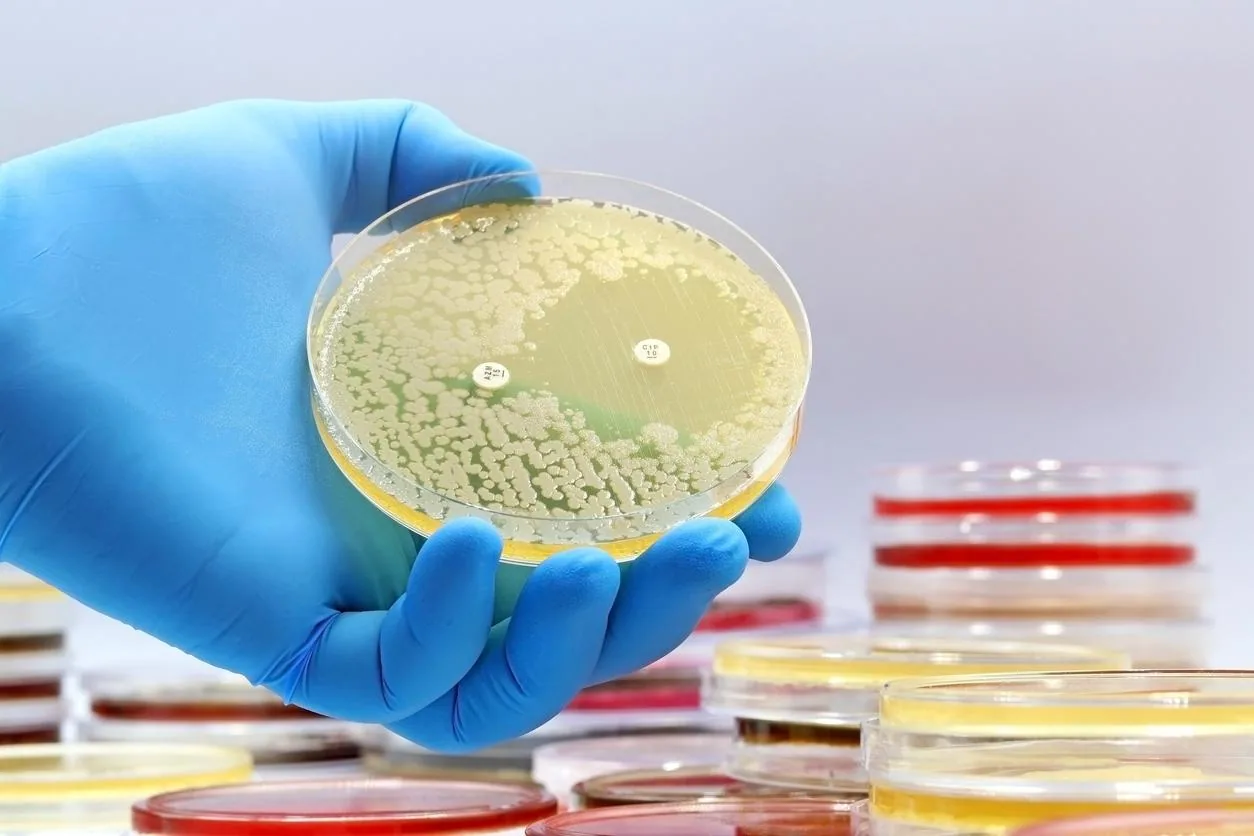
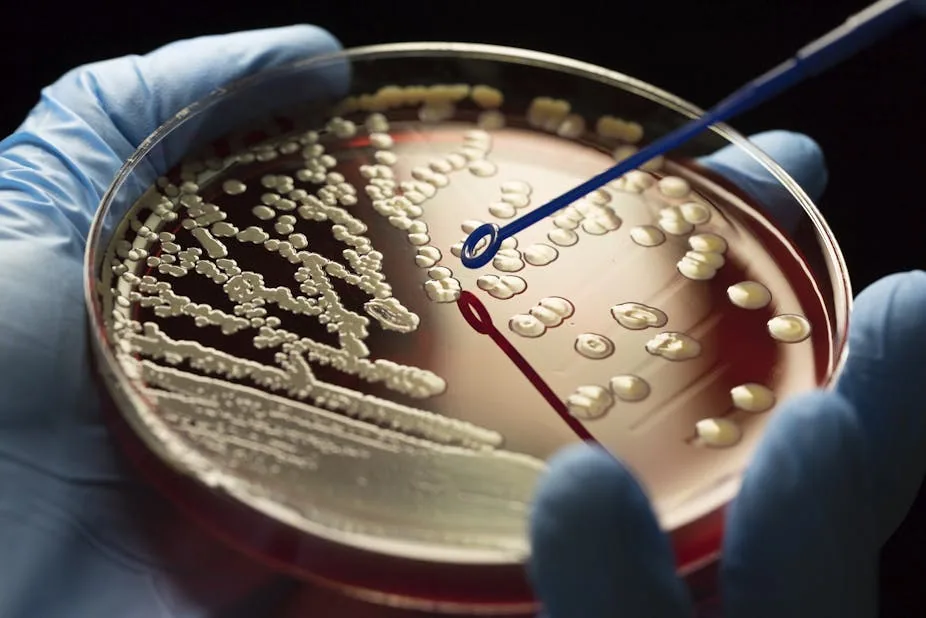
This isn’t just theoretical. Around the world, These are bacteria resistant to nearly all available antibiotics. hospitals are already dealing with “superbugs.” Think of Klebsiella, MRSA, E. coli. They cause infections in the lungs, bloodstream, wounds and sometimes, nothing works against them. I’ve skeen cases where patients bounced from one hospital to another, unable to get the right drug. In some countries, babies are dying from infections that used to be easy to treat. And travelers carry resistant bacteria between continents. It’s not about where you live. It’s about how we all live.
Why This Threatens Modern Medicine
This goes far beyond treating infections. We rely on antibiotics to make surgeries safe. To protect cancer patients during chemotherapy. To keep premature babies alive. Without effective antibiotics, even a routine dental procedure or a minor surgery could carry life-threatening risks. It’s terrifying when you realize how much of our healthcare system quietly depends on these drugs. No antibiotics, no safety net. Everything from organ transplants to childbirth becomes high-risk.
Here’s What You Can Actually Do (Starting Today)
Change doesn’t need to be massive. It needs to be smart.
-
Don’t pressure your doctor for antibiotics if you’re told it’s viral. Trust the diagnosis.
-
Finish the full course of antibiotics even if you feel better after two days.
-
Never share or save leftover antibiotics. You don’t know if it’s the right drug or dose.
-
Avoid buying antibiotics over the counter without a proper prescription.
-
Support responsible meat production. If you can, choose antibiotic-free or locally sourced products.
-
Wash your hands often. Prevention beats treatment every time.
Healthcare Systems: Step Up
It’s not just about individual choices. Health systems need to act. Hospitals must strengthen their antibiotic stewardship programs basically, having clear guidelines for prescribing. Labs should be funded to run sensitivity tests before prescribing broad-spectrum antibiotics. Governments must regulate over-the-counter sales. And we need investment in new antibiotics, better diagnostics, and public awareness campaigns. The fight against AMR is winnable, but not without leadership and commitment at every level.
Why Public Education Is the Real Game-Changer
Too many people still think antibiotics cure everything. Education is our secret weapon. Schools, workplaces, and communities need real conversations about when antibiotics help and when they harm. The more people understand resistance, the less likely they are to misuse medication. Social media can spread myths fast. But it can also spread facts faster. Use your voice. Share credible info. The world needs more antibiotic-savvy people.
Final Thoughts: It’s Not Too Late, But It’s Urgent
Antibiotics changed the world once. But if we keep misusing them, we’ll lose them. Simple as that. This isn’t just a medical issue. It’s personal. It’s global. It’s urgent. But the good news? It’s also preventable. By making smart choices, demanding responsible practices, and raising awareness, we can slow resistance and protect the future of medicine. One dose at a time.