HSafe Medications During Pregnancy (When Taken Properly)
Just because you’re pregnant doesn’t mean you should suffer through pain, allergies, or indigestion. The key is knowing which medications are typically safe especially when used as directed and under your doctor’s guidance.
-
Acetaminophen (Paracetamol): This is your go-to for pain relief and fever. It’s been widely studied and is considered safe in all trimesters. Just don’t overdo it. Stick to recommended doses and avoid prolonged use, as some studies have loosely linked long-term use to behavioral issues in children.
-
Prenatal Vitamins: Not only are these safe they're necessary. Folic acid helps prevent neural tube defects, iron fights off anemia, and DHA supports brain development. Make sure you're taking a prenatal vitamin specifically designed for pregnancy not a regular multivitamin, which may contain unsafe doses of certain nutrients like vitamin A.
-
Antacids: Got heartburn? You're not alone. Calcium-based antacids like Tums or Rolaids are safe and effective. Avoid aluminum-based ones, which can cause constipation and shouldn’t be used regularly. Also, steer clear of high-sodium formulas if you have high blood pressure.
-
Antihistamines: Allergy season doesn’t stop for pregnancy. Fortunately, medications like loratadine (Claritin) and diphenhydramine (Benadryl) are considered safe when taken occasionally. Don’t take multiple at once or mix them with sleep aids without asking your doctor.
Quick Tip: Always talk to your OB-GYN before taking anything new even if it’s just an allergy pill or a vitamin. What’s safe for one person might not be safe for another.

Medications You Should Avoid During Pregnancy
This part is critical. Some medications are known to cause birth defects, developmental problems, or even miscarriage. And sometimes, they’re prescribed for everyday issues like acne or high blood pressure. Medicines to Avoid
-
Isotretinoin (Accutane): This acne treatment is one of the most dangerous drugs during pregnancy. It’s directly linked to serious birth defects, including heart, brain, and facial malformations. Women on Accutane must follow a strict pregnancy prevention program. If you're on it and planning to get pregnant, stop now and talk to your doctor immediately.
-
ACE Inhibitors: Medications like lisinopril, often used for high blood pressure, can lead to kidney damage in the fetus and other complications. Safer alternatives like labetalol or methyldopa are usually prescribed during pregnancy instead.
-
Tetracycline Antibiotics: Used to treat infections, these can stain your baby’s teeth permanently and interfere with bone growth. Safer antibiotics like amoxicillin or cephalexin are often just as effective and much safer during pregnancy.
-
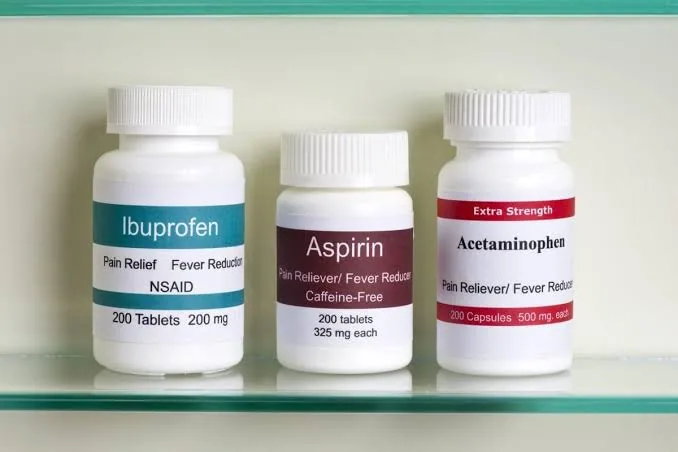
NSAIDs (Ibuprofen, Aspirin, Naproxen): These painkillers might seem harmless, but during pregnancy especially the third trimester they’re risky. They can affect fetal circulation, reduce amniotic fluid, and increase the risk of miscarriage.
-
Warfarin: A blood thinner used to prevent clots. It can cause brain defects, bleeding, and miscarriage. If you need anticoagulation therapy while pregnant, your doctor will likely switch you to heparin, which is safer.
Actionable Insight: Always check the drug category or FDA pregnancy safety label if you're unsure about a medication. And double-check with your doctor even common prescriptions can have dangerous consequences.
The Impact of Unsafe Medications on Pregnancy
Let’s be clear: Some medications cross the placenta. That means they go directly from your bloodstream into your baby’s developing body. When this happens, the consequences can be serious.
Some drugs affect organ development. Others interfere with the baby’s growth. Some can even trigger miscarriage or stillbirth. The effects often depend on the medication, the timing during pregnancy, and the dosage. No drug is safe
And it’s not just about physical defects. Some medications can cause long-term neurological problems, including learning disabilities, behavioral changes, or motor delays. That’s why timing and medical supervision are everything. But here's the good news: Most of these risks are entirely avoidable with the right guidance.

Always Consult Before Taking Any Medication
Pregnancy is not the time for guesswork. Even over-the-counter meds or herbal supplements can cause problems if used the wrong way or at the wrong time. Don’t assume something is safe just because it’s “natural” or because you used it before pregnancy.
Talk to your doctor, your midwife, or your pharmacist. Ask questions. Get clarity. It’s your right and your responsibility to be informed.
If you're on long-term medications for chronic conditions like diabetes, epilepsy, or hypertension, work with your care team to find pregnancy-safe alternatives or adjusted dosages. Stopping medication suddenly can be just as dangerous as taking the wrong one.
Final Thoughts
You don’t need to be scared; you need to be informed. Understanding which medications are safe during pregnancy, and which ones to avoid can make all the difference for you and your baby. Some drugs are essential and help prevent complications. Others carry real risks that you can avoid with the right guidance. Be proactive. Be cautious. Be curious. Your pregnancy journey is already a big deal let’s make sure your medication choices support it, not complicate it.