Ozempic: everything you need to know about the weight-loss drug
What Is Ozempic?
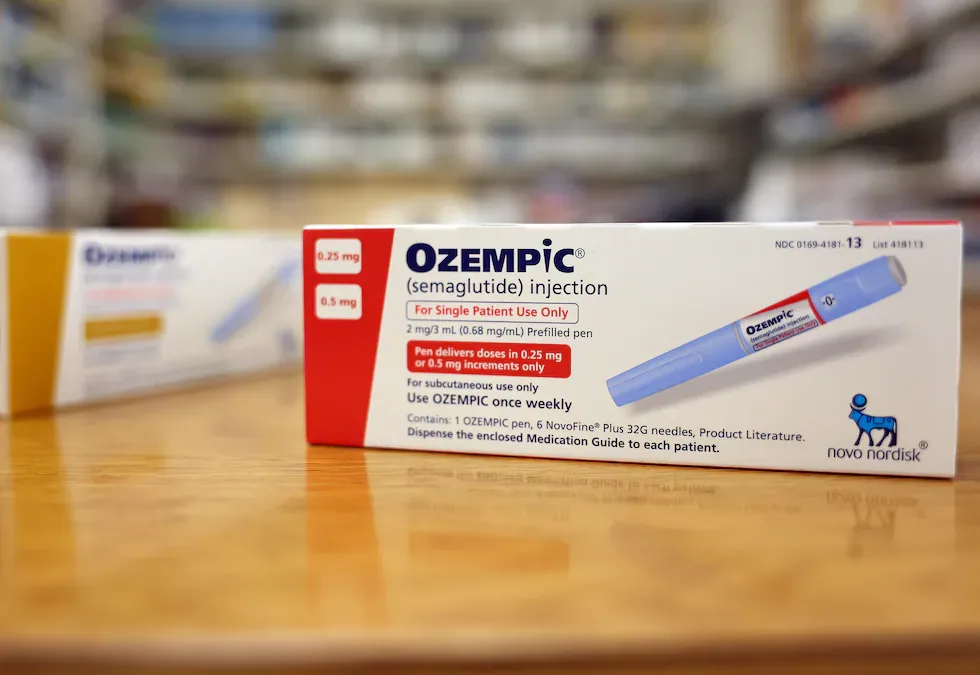
Ozempic is a prescription medication that belongs to a class of drugs called GLP-1 receptor agonists. It was developed to help regulate blood sugar levels in people with type 2 diabetes. The drug works by mimicking a hormone called glucagon-like peptide-1 (GLP-1), which helps control blood sugar, appetite, and digestion. While its primary use is for diabetes, researchers noticed that people taking Ozempic were also experiencing significant weight loss. This led to further studies and the eventual approval of a higher-dose version called Wegovy, specifically for weight management. However, many doctors still prescribe Ozempic “off-label” for weight loss, as it has similar effects.
How Does Ozempic Help With Weight Loss?
Ozempic promotes weight loss by reducing hunger, slowing digestion, and stabilizing blood sugar levels. It affects the brain’s appetite centers, making people feel full faster and reducing cravings. Additionally, it delays stomach emptying, so food stays in the stomach longer, leading to prolonged satiety. This natural decrease in appetite and calorie intake results in steady and sustainable weight loss. Since it also helps regulate blood sugar levels, it prevents sudden spikes and crashes that can lead to increased cravings and overeating.

What Do Studies Say About Ozempic and Weight Loss?
Several clinical trials have confirmed the effectiveness of Ozempic for weight loss. A 2021 study published in the New England Journal of Medicine found that people using semaglutide lost an average of 15% of their body weight over 68 weeks. Another study reported that individuals using Ozempic experienced weight loss of 6-12% within a year. Additionally, real-world data suggests that people can lose 1-3 pounds per week, depending on their diet and activity level. These findings show that Ozempic can be a powerful tool for weight management, particularly for those who struggle with obesity.
Who Can Take Ozempic for Weight Loss?
Ozempic is typically prescribed for individuals who have a body mass index (BMI) of 30 or higher, classifying them as obese. It may also be recommended for people with a BMI of 27 or higher who have weight-related conditions such as type 2 diabetes, high blood pressure, or sleep apnea. However, Ozempic is not suitable for everyone. Individuals with a history of medullary thyroid carcinoma, pancreatitis, or severe gastrointestinal disorders should avoid the medication. It is important to consult a healthcare provider to determine if Ozempic is a safe and appropriate option for weight loss.
How Long Does It Take to See Results?
Weight loss with Ozempic typically begins within the first few weeks of starting the medication. However, the most significant results are usually seen after three to six months of consistent use. Studies show that individuals who use Ozempic for a year or more can achieve the best long-term outcomes. While some people may experience rapid weight loss initially, experts caution that sustainable weight loss takes time and should be combined with healthy lifestyle changes.
Expert Recommendations for Using Ozempic for Weight Loss
Experts emphasize that Ozempic is not a magic weight-loss solution, it works best when combined with a healthy lifestyle. Doctors recommend following a high-protein, fiber-rich diet to maximize results and reduce cravings. Regular physical activity, such as at least 150 minutes of moderate exercise per week, is also encouraged to improve fat loss and maintain muscle mass. Additionally, staying hydrated and monitoring for side effects can help improve the overall experience of using Ozempic. Consistency and patience are key to achieving and maintaining long-term weight loss results.

What Happens If You Stop Taking Ozempic?
One of the main concerns with Ozempic is the possibility of weight regain after stopping the medication. Studies have shown that many people regain some or all of the weight they lost if they do not continue healthy habits. To prevent this, doctors recommend maintaining a balanced diet, staying physically active, and possibly using a lower-dose maintenance therapy if necessary. Sustainable weight management requires long-term commitment, regardless of whether medication is used.

Is Ozempic Worth It for Weight Loss?
Ozempic can be an effective tool for weight loss, especially for individuals who struggle with obesity and metabolic issues. However, it is not suitable for everyone and comes with potential side effects such as nausea, stomach discomfort, and fatigue. Additionally, Ozempic can be expensive, and insurance may not always cover it for weight loss purposes. While it helps with appetite control and calorie reduction, long-term success depends on making sustainable lifestyle changes. For those who have tried other methods without success, Ozempic may be worth considering under the guidance of a healthcare provider.
Conclusion: Should You Try Ozempic for Weight Loss?
Ozempic has been scientifically proven to help with weight loss, but it should not be seen as a quick fix. It is most effective when combined with a healthy diet, regular exercise, and long-term behavioral changes. While it offers significant benefits, it also requires commitment and medical supervision. If you are considering Ozempic for weight loss, consult a doctor to discuss its potential benefits and risks based on your health history. Sustainable weight loss is about more than just medication, it’s about developing habits that support long-term health and well being.