Medical emergency? Call your local emergency number
First aid guides

Menu

Pain Relievers & Fever Reducers: Your Essential OTC Guide

Pain Relievers & Fever Reducers: Your Essential OTC Guide Medicines & supplements 3 min read
Not yet medically reviewed. This page has not been checked by a qualified medical reviewer. Use it for general education only and confirm anything important with a healthcare professional. Written by GeoMed Editorial Team. Last updated 24 October 2026.

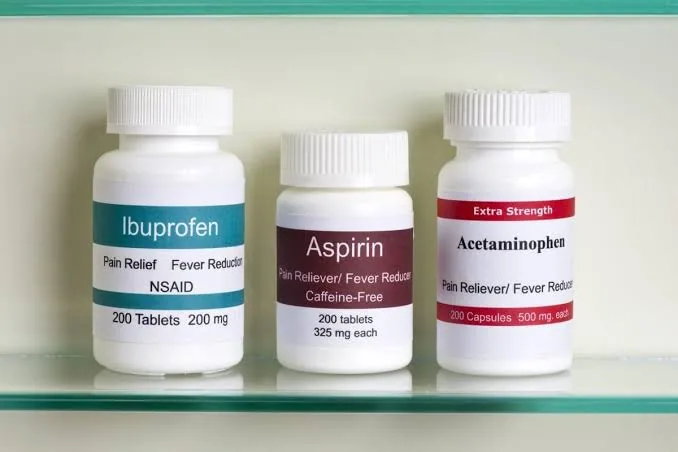
Relief is a right, not a luxury!" Nearly 80% of households stock their cabinets with pain relievers and fever reducers, proof that quick, accessible relief matters to all of us. I believe that understanding your options can change how you tackle everyday discomfort. In this article, I break down the three major OTC players: acetaminophen, ibuprofen, and aspirin. We’ll explore how they work, when to use each one, and actionable tips to keep you safe. Let’s get right into it!

Understanding OTC Pain Relievers & Fever Reducers

Every day, millions reach for these medications to ease headaches, muscle aches, and fevers. They are reliable, accessible, and often the first step in managing minor pain. However, knowing the details can make all the difference. It’s not just about reaching for a bottle off the shelf, it's about using the right tool for the right job.

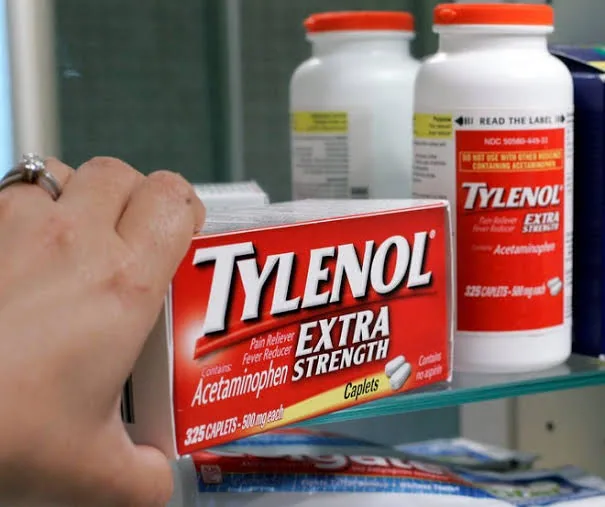
1. Acetaminophen (Tylenol)

Acetaminophen is a go-to for many.

  • How It Works: It eases pain and lowers fever by acting on the brain’s temperature regulation center.

  • When to Use: Perfect for headaches, mild muscle aches, and fevers. If your stomach is sensitive, acetaminophen is usually the gentler option.
Pain Relievers & Fever Reducers: Your Essential OTC Guide

  • Actionable Tip: Always follow the recommended dosage. Overuse can lead to serious liver issues. If you’re ever in doubt about mixing it with other meds, consult a healthcare provider!

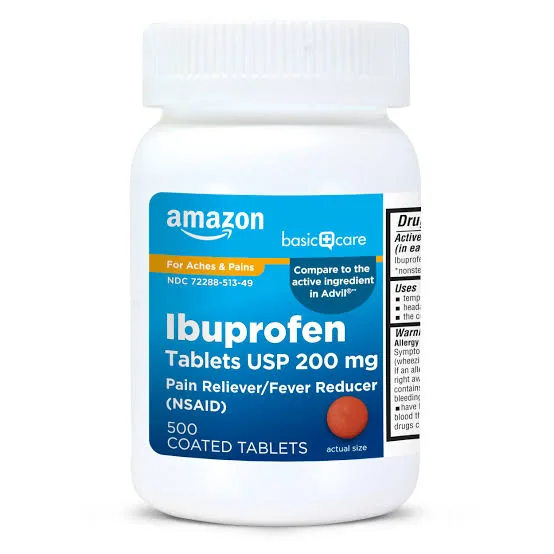
2. Ibuprofen (Advil, Motrin)

Ibuprofen steps in when inflammation is a concern.

How It Works: This non-steroidal anti-inflammatory drug (NSAID) not only relieves pain and reduces fever but also targets inflammation at its source.

When to Use: It’s particularly useful for conditions like arthritis, sports injuries, or menstrual cramps where swelling is part of the discomfort.
Pain Relievers & Fever Reducers: Your Essential OTC Guide

Actionable Tip: Take ibuprofen with food or milk to help protect your stomach. If you have a history of ulcers or gastrointestinal issues, consider talking to your doctor before use.

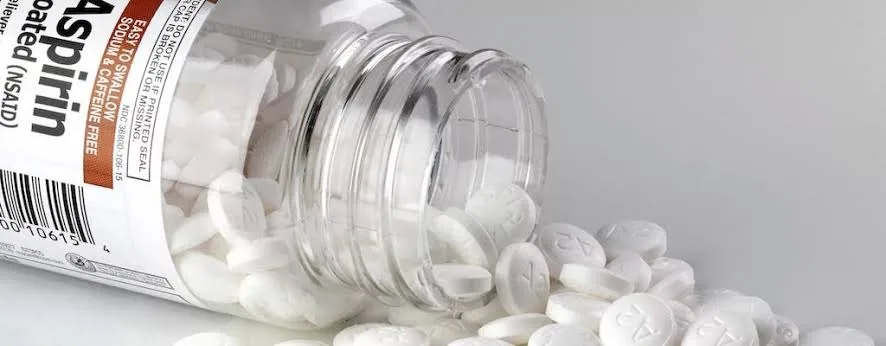
3. Aspirin

Aspirin is a veteran in the world of pain relief.

  • How It Works: It reduces pain and fever and, uniquely, it thins the blood by blocking certain enzymes.

  • When to Use: It’s effective for mild to moderate pain and fever. Low-dose aspirin is often recommended for cardiovascular benefits, but that’s a different conversation.
Pain Relievers & Fever Reducers: Your Essential OTC Guide

  • Actionable Tip: Because of its blood-thinning effects, aspirin isn’t suitable for everyone. It’s not recommended for children with viral infections and can be problematic for those with bleeding disorders. Always check with a healthcare professional before using it regularly.

Choosing the Right Medication for You

Choosing between these medications isn’t always black and white.

  • Consider Your Symptoms: Is inflammation part of the problem? Ibuprofen might be best.

  • Know Your Health History: If you have liver issues, acetaminophen should be used cautiously.

  • Review Your Other Medications: Interactions can occur, so it’s wise to check labels and consult with your doctor if you’re managing multiple conditions.

Short-term relief is great, but safe usage is key.

Best Practices for Safe Use

Even though these drugs are available without a prescription, responsible use is crucial.

  • Read Labels Carefully: Look at the active ingredients and dosage instructions.

  • Monitor Your Intake: Keep a record if you find yourself reaching for them frequently.

  • Stay Informed: The more you know about how these medications work, the better choices you can make for your health.

  • Consult Professionals: When in doubt, a quick call to your healthcare provider can prevent complications down the road.

Final Thoughts

Over-the-counter pain relievers and fever reducers are more than just everyday conveniences, they’re essential tools for managing minor ailments. I encourage you to take a moment, review your options, and use them wisely. Your well-being is worth it! With clear information and a bit of care, you can enjoy relief without compromising safety. Stay informed, be proactive, and here’s to your health!

Image credits

  • Heading image: GeoMed

More Health articles

View all
Misusing Antibiotics: The Hidden Cause of Antimicrobial Resistance Medicines & supplements

Misusing Antibiotics: The Hidden Cause of Antimicrobial Resistance

Introduction: We’re Running Out of Options Fast “By 2050, antimicrobial resistance could kill more people than cancer.” That’s not a sci-fi scenario. It’s a projection backed by real data. And it all starts with something we do without thinking popping antibiotics like candy for a sore throat or saving leftovers for “next time.” Every time we misuse or overuse antibiotics, we give bacteria a chance to get smarter. Stronger. Deadlier. The result? Infections that once needed a single pill now need hospital admission or worse, have no cure at all. This isn’t just about science. It’s about survival. Let’s unpack how we got here, and more importantly, what each of us yes, even you can do to stop it.

5 min read
Ozempic for Weight Loss: What Experts Recommend and How It Works Medicines & supplements

Ozempic for Weight Loss: What Experts Recommend and How It Works

Introduction Losing weight is a challenge for many people, and traditional methods like dieting and exercise don’t always produce the desired results. In recent years, Ozempic (semaglutide) has gained attention as a potential weight-loss solution. Originally developed for type 2 diabetes, it was found to help people shed significant weight. But how effective is it? What do experts say about its safety and long-term use? This article explores how Ozempic works for weight loss, reviews scientific studies, and provides expert recommendations on its use.

5 min read
Bottle of Antacid tablets Medicines & supplements

Over-The-Counter Treatments for GI Complaints

Your gut has a way of making its complaints known, sometimes subtly, sometimes loud and clear. Whether it’s acid reflux burning your chest, constipation making you miserable, or bloating leaving you uncomfortable in your own skin, digestive issues are frustrating. And let’s be real, no one wants to talk about them, but they happen to everyone. According to the National Institute of Diabetes and Digestive and Kidney Diseases, nearly 60 to 70 million Americans suffer from some kind of digestive disorder. That’s a lot of upset stomachs. The good news? You don’t always need a doctor’s visit to find relief. There are powerful, science-backed over-the-counter (OTC) treatments that can help, if you know what to look for.

9 min read
Common structure of proton pump inhibitors . Medicines & supplements

Digestive Health Medications: A Practical Guide to Quick Relief

Every 10 seconds, someone in the U.S. experiences heartburn!" That stat isn’t just a number, it’s a call to action. I’ve been there: a spicy meal, a stressful day, and suddenly, my stomach is in knots. When discomfort strikes, knowing your options makes all the difference. In this article, I break down the essentials: antacids like Tums and Rolaids, proton pump inhibitors such as omeprazole, and anti-diarrheal drugs like loperamide. I’ll share exactly how they work, when to use them, and practical tips you can implement immediately. Let’s dive in and take control of your digestive health!

3 min read