1. Antacids: Fast Relief for Heartburn
Antacids are your go-to for quick, soothing relief. They work by neutralizing stomach acid and calming that burning sensation.
-
How They Work: When you feel that sting after a heavy meal, antacids counteract the acid in your stomach, bringing rapid comfort.
-
Key Options: Tums and Rolaids are favorites for many because they act fast.
-
Actionable Tip: Use them sparingly. If you reach for antacids more than twice a week, it’s time to consult your healthcare provider. They’re a short-term fix, not a long-term solution.
2. Proton Pump Inhibitors (PPIs): Long-Term Relief
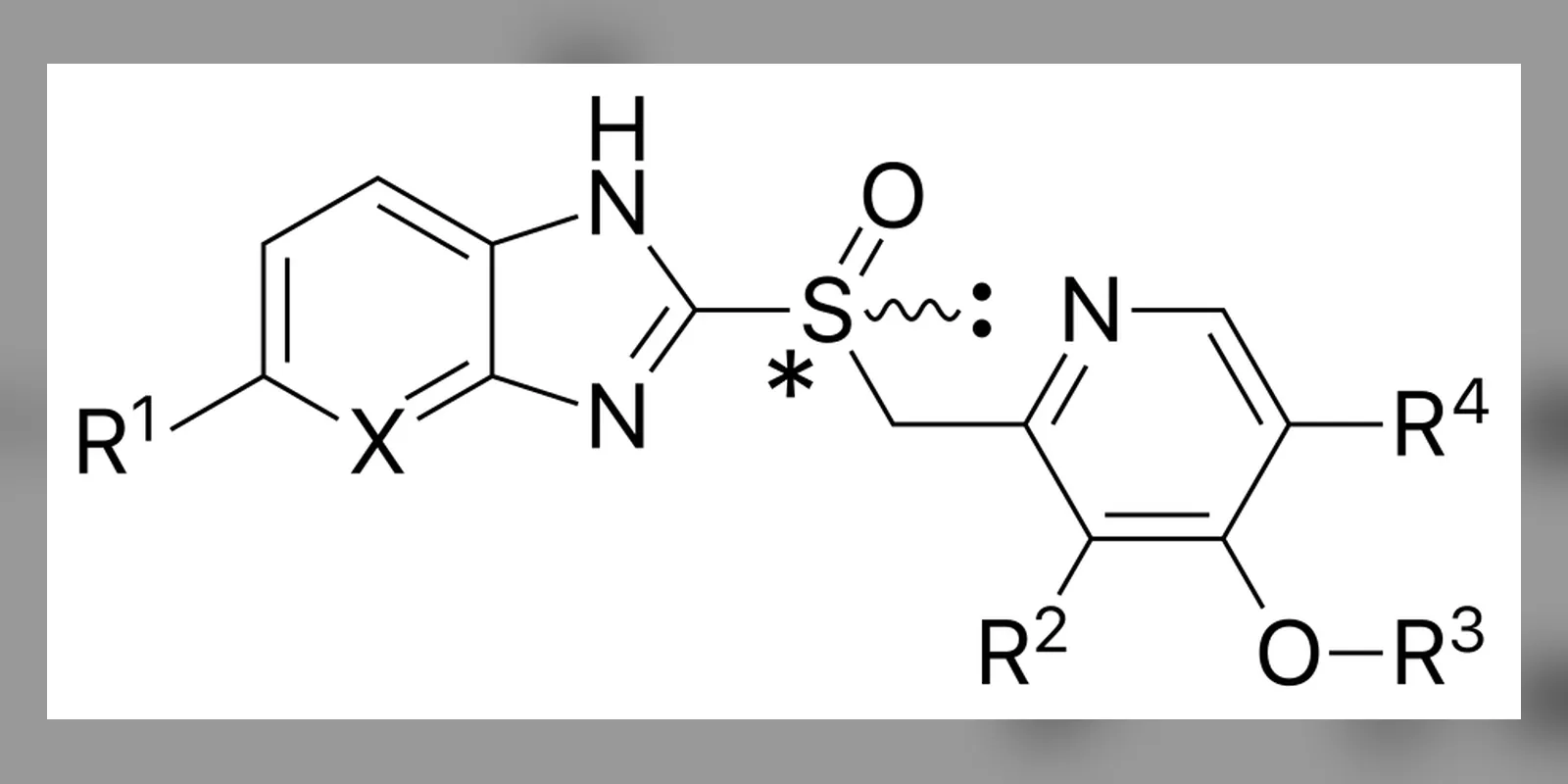
For those battling persistent acid reflux or GERD, PPIs like omeprazole offer a strategic approach.
-
How They Work: PPIs reduce the production of stomach acid over time by blocking the enzymes responsible for acid secretion.
-
When to Use: They’re best for chronic issues, not for immediate relief. I often recommend them if lifestyle adjustments and antacids aren’t enough.
-
Actionable Tip: Follow your healthcare provider’s guidance on dosage and duration. Long-term use should be monitored to prevent side effects.
3. Anti-Diarrheal Drugs: Keeping Things Under Control
When diarrhea strikes unexpectedly, anti-diarrheal drugs like loperamide help restore balance.
-
How They Work: They slow down intestinal movement, giving your system time to recover.
-
When to Use: Ideal for short-term bouts of diarrhea, especially when you need to maintain your routine, like during travel or important meetings.
-
Actionable Tip: Stick to the recommended dosage and avoid using them for more than a couple of days unless advised by a doctor. Persistent diarrhea can signal something that needs professional attention.
4. Choosing the Right Digestive Health Medication
Picking the right medication depends on your symptoms and how your body responds.
Assess Your Needs:
-
Burning sensation after meals? Antacids are a quick fix.
-
Chronic heartburn or acid reflux? Consider a PPI under professional guidance.
-
Sudden, disruptive diarrhea? An anti-diarrheal could be your best friend.
Actionable Tip: Keep a simple log of your symptoms and the medications you take. This record can help you and your healthcare provider pinpoint patterns and make more informed decisions.
5. Best Practices for Safe Use
- Even over-the-counter medications deserve respect and proper use.
Follow Dosage Instructions: Overuse can lead to unwanted side effects.
-
Monitor Your Body’s Signals: If you experience any unusual symptoms, like persistent stomach pain, dizziness, or changes in your bowel habits, stop and reassess.
-
Consult When in Doubt: A quick check-in with your pharmacist or doctor can ensure you’re on the right track.
Actionable Tip: Use these medications as part of a broader strategy that includes lifestyle and dietary adjustments. Small changes in your eating habits can sometimes reduce your reliance on these drugs.
Final Thoughts
Your digestive health is key to your overall well-being. I believe that armed with the right information, you can make choices that bring both fast relief and long-term benefits. Whether you’re using an antacid for immediate comfort, a PPI for ongoing management, or an anti-diarrheal for acute situations, it’s all about using the right tool at the right time. Stay informed, follow safe practices, and remember: your health is in your hands. Here’s to enjoying every meal without worry and taking proactive steps toward a happier, healthier gut!