

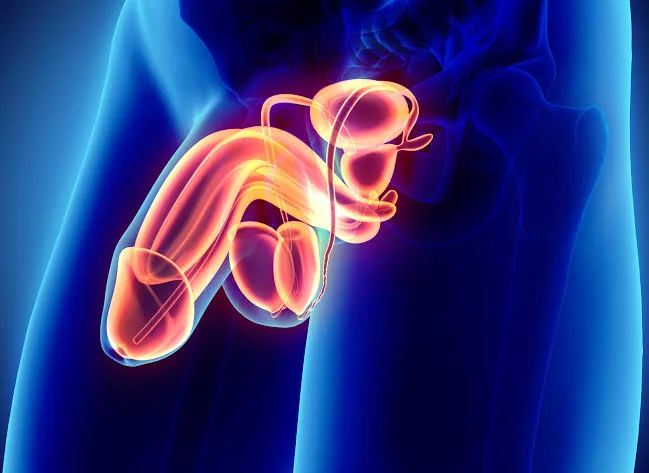
The Testosterone Time Bomb: When Everything Starts Changing
Starting in your 40s, your testicles begin producing less testosterone the hormone that fueled your penis growth during puberty and drives your sex drive. This isn't a sudden drop; it's a gradual decline of about 1-2% per year after age 30. But those seemingly small percentages add up over decades, and they trigger a cascade of physical changes throughout your entire reproductive system. The decline in testosterone, combined with age-related vascular changes, affects penis size, shape, tissue elasticity, nerve sensitivity, and erectile function. These aren't cosmetic issues they're physiological changes happening at the cellular level in your penile tissue.
Yes, Your Penis Actually Gets Smaller (And Here's Why)
This is the change nobody wants to talk about, but it's real. Penis shrinkage with age isn't a myth or an old wives' tale it's documented medical fact. The primary mechanism? Reduced blood flow. As you age, fatty deposits accumulate inside blood vessel walls throughout your body including the blood vessels supplying your penis. This condition, called arteriosclerosis or atherosclerosis, progressively limits blood flow. Your penis relies on that blood flow not just for erections, but for maintaining tissue health and size. Less blood means less oxygen and nutrient delivery to penile tissue, which can lead to actual tissue atrophy over time. Declining testosterone levels compound this problem. Lower testosterone affects the connective tissue and smooth muscle within the corpus cavernosum the erectile tissue chambers that fill with blood during an erection. As these structures change, the penis can lose some of its length and girth, even in the flaccid state. There's also an optical illusion at play. Weight gain particularly abdominal fat accumulation partially hides the base of the penis, making it appear smaller than it actually is. But the actual tissue-level shrinkage is real, not just perception.
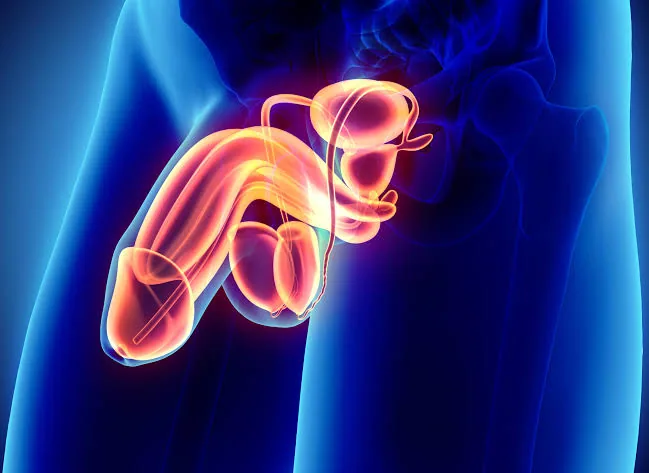
The Curve Ball: Peyronie's Disease and Penile Curvature
Here's something that affects more men than most realize: approximately 6-10% of men between ages 40 and 70 develop Peyronie's disease, though the actual number experiencing symptoms may be closer to 10% based on studies of self-reported symptoms. Verywell HealthPeyronie's disease is characterized by fibrous scar tissue called plaques that forms inside the penis, typically along the shaft. This scar tissue doesn't stretch like normal erectile tissue, so when you get an erection, the penis bends or curves toward the side with the plaque. The curvature can range from mild to severe enough to make intercourse painful or impossible. How does this scar tissue form? Every time you injure your penis.whether from rough sex, sports injuries, or even repeated minor trauma during intercourse your body lays down scar tissue as part of the healing process. By your 50s and 60s, you can accumulate enough scar tissue to cause visible curvature. The prevalence increases with age: studies show rates of 1.5% in men ages 30-39, rising to 6.5% in men over 70. The condition often causes pain during erections, penile shortening (reported in more than 40% of men with Peyronie's disease), and significant psychological distress. Treatment options range from medications to injections to surgical correction, but early evaluation is critical.
The Vascular Crisis: Why Erectile Dysfunction Skyrockets With Age
The Massachusetts Male Aging Study one of the most comprehensive studies on male sexual health found that approximately 52% of men aged 40-70 experience some degree of erectile dysfunction. Break that down by decade, and the numbers are even more striking: ED affects roughly 40% of men in their 40s, with the prevalence increasing about 10% per decade. By age 70, we're looking at that 70% figure I mentioned earlier. More recent data from 2024 studies confirm these trends. In men aged 40-60, ED prevalence is approximately 16%, but it jumps to nearly 57% in men aged 60-80. And for men with certain comorbidities (benign prostatic hyperplasia (BPH), prostatitis, or prostate cancer) the rates are even higher (Frontiers).
Why does ED become so common? The answer is primarily vascular. ED is fundamentally a blood flow problem in most cases. Your penis requires robust blood flow to fill the erectile chambers and create a firm erection. As blood vessels narrow and stiffen with age the same process that contributes to heart disease the penis receives less blood. This is why ED is often called a "canary in the coal mine" for cardiovascular disease. Men with ED have a 65% increased relative risk of developing coronary heart disease. The small blood vessels in the penis show damage earlier than larger vessels elsewhere in the body, making ED an early warning sign that your cardiovascular system needs attention.
The Tissue Transformation: What's Happening at the Cellular Level
Inside your penis, dramatic cellular changes are occurring as you age. The corpus cavernosum the erectile tissue that fills with blood during an erection undergoes significant structural transformation. Research shows that the ratio of collagen to elastic fibers in the corpus cavernosum increases with age. Collagen is stiffer and less flexible than elastic tissue. As collagen accumulates and elastic tissue decreases, the penis literally becomes less elastic and compliant. This affects your ability to achieve full erections and can contribute to the development of conditions like Peyronie's disease. The smooth muscle cells within erectile tissue also decrease with age, replaced by more rigid connective tissue. This process, called fibrosis, reduces the penis's ability to expand and fill with blood properly. It's like the difference between a flexible water balloon and a stiff plastic container one expands easily, the other doesn't.

Losing Your Touch: The Sensitivity Decline
Here's a change that profoundly affects sexual satisfaction but rarely gets discussed: penile sensitivity decreases with age. The nerve endings in your penis naturally become less sensitive as you get older. This means it takes more time and more direct stimulation to become aroused and reach orgasm. This isn't just about pleasure though that matters! Decreased sensitivity can make it harder to achieve and maintain erections because the sensory signals that trigger the erectile response are weaker. The nerve pathways that connect your penis to your brain become less efficient at transmitting signals in both directions. Some men respond to decreased sensitivity by using more aggressive or vigorous stimulation, but this can actually cause irritation to the delicate penile skin and potentially create more problems. Instead, exploring different types of touch, increasing foreplay time, and being patient with your body's changing responses is more effective.
What You Can Actually Do About It
The good news and yes, there is good news is that many of these age-related changes can be slowed, minimized, or even partially reversed with the right interventions.Maintain cardiovascular health. Since vascular problems drive most erectile dysfunction, keeping your blood vessels healthy is paramount. Regular exercise, maintaining healthy blood pressure and cholesterol levels, avoiding smoking, and managing diabetes aggressively all protect penile function. What's good for your heart is genuinely good for your penis.Stay sexually active. Regular erections whether from intercourse or masturbation promote blood flow to penile tissue and help maintain tissue health. The "use it or lose it" principle has real biological basis here.Address testosterone deficiency. If you have symptoms of low testosterone beyond just sexual changes like fatigue, depression, or significant muscle loss get your levels checked. Testosterone replacement therapy, when appropriately prescribed and monitored, can help maintain sexual function.Treat ED early and aggressively. Don't wait and hope it improves on its own. ED medications like sildenafil (Viagra), tadalafil (Cialis), and others work remarkably well for most men, and starting treatment early can help preserve erectile function long-term.Maintain healthy weight. Excess abdominal fat not only creates the optical illusion of a smaller penis but also contributes to hormonal imbalances, vascular problems, and inflammation all of which worsen erectile function.Get regular medical check-ups. ED can be an early warning sign of serious health conditions like diabetes, hypertension, or cardiovascular disease. Don't ignore it.
The Real Talk You Need
Look, aging affects every system in your body, and your penis is no exception. But understanding these changes shrinkage, curvature, decreased sensitivity, erectile difficulties empowers you to address them proactively rather than suffering in silence. The statistics are sobering: by age 70, the vast majority of men will experience some degree of erectile dysfunction. But those statistics also show that many men maintain satisfying sexual function well into their 70s, 80s, and beyond with appropriate medical care and lifestyle management. Don't let embarrassment or denial prevent you from getting the help you need. These changes are medical issues, not character flaws or signs of lost masculinity. Talk to your doctor. Be honest about symptoms. Explore treatment options.


Comments (0)
Be the first to comment on this article!
Share your thoughts and start the discussion.