

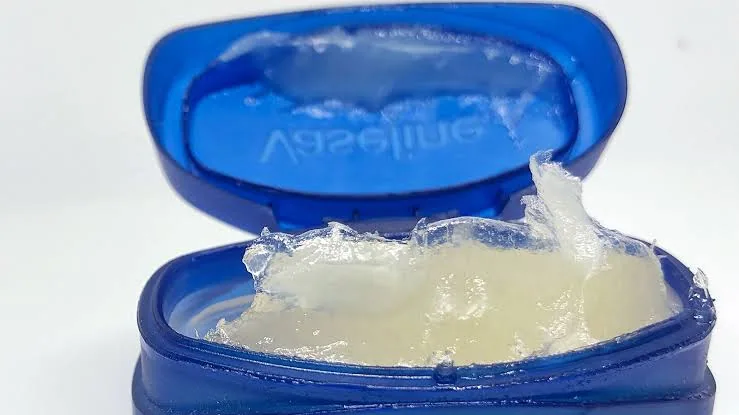
The Petroleum Jelly Problem: Why Your Medicine Cabinet Staple Is Dangerous
Let me be direct: petroleum jelly has no business being used as an intimate lubricant. None.
Yet 17% of women admit to using it this way, according to research published in Obstetrics & Gynecology. The numbers are alarming. Women who used petroleum jelly vaginally were 2.2 times more likely to develop bacterial vaginosis compared to those who didn't. That's not a small increase that's more than double the risk! NBC News
The study, which followed 141 women over a year, found that 40% of petroleum jelly users developed bacterial vaginosis, compared to just 18% of non-users. This isn't theoretical risk. This is real infection happening in real people.
Why Petroleum Jelly Causes Problems
Your vagina maintains a delicate ecosystem. Think of it as a rainforest complex, self-regulating, and easily disrupted. Petroleum jelly throws a wrench into this system in multiple ways.
First, petroleum-based products are hygroscopic they literally suck moisture out of the tissues they contact. Dr. David Katz, a professor of biomedical engineering and obstetrics/gynecology at Duke University, explains that this desiccating effect makes the sensitive vaginal skin more vulnerable to infection. The very thing you're using to reduce friction actually damages the protective barrier.
Second, petroleum jelly doesn't wash away easily. It lingers. It traps bacteria. It creates an environment where harmful organisms thrive. The vagina's natural protective acids and beneficial bacteria get overwhelmed, and infections take hold.
And if you're using condoms? Petroleum jelly degrades latex on contact. Unilever, the manufacturer of Vaseline, explicitly states the product is for external use only and should never be used with latex barrier protection. Medical News Today
The Oil Trap: When "Natural" Doesn't Mean Safe
Many of my patients assume that if something is natural, it must be safe. I understand the logic! But here's where things get complicated.
Women who used oils vaginally had a 44% rate of Candida colonization the fungus responsible for yeast infections. Compare that to just 5% in women who didn't use oils. That's nearly nine times the risk.
The Coconut Oil Controversy
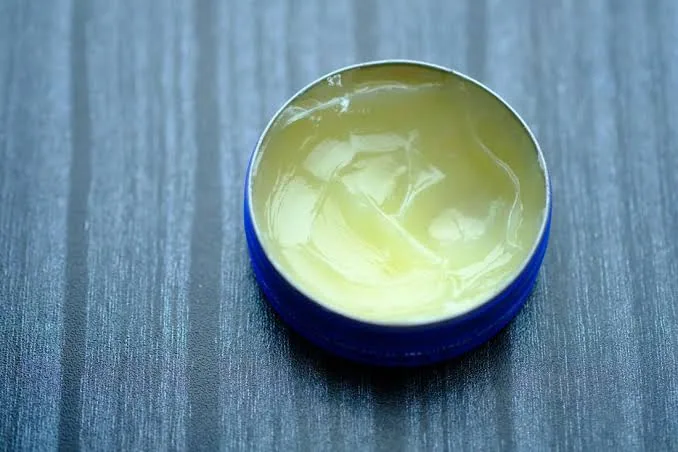
Coconut oil has been touted as a miracle product for everything from cooking to skincare. Some sources suggest it's safe for intimate use. But the evidence tells a more nuanced story.
Coconut oil has a high pH, making it alkaline. Your vagina? Naturally acidic, with a pH between 3.8 and 5.0. When you introduce an alkaline substance, you disrupt this carefully maintained balance. This pH shift creates an environment where yeast and harmful bacteria can flourish. Healthline
There's another practical concern: contamination. Repeatedly dipping fingers into a jar of coconut oil can introduce bacteria over time. Dr. Prevention's experts warn that this bacterial growth could then be transferred directly to intimate areas. Prevention
Baby Oil: The Worst Offender
Baby oil is simply mineral oil, often with added fragrance. WebMD states unequivocally: baby oil should not be used as an intimate lubricant. It causes skin irritation, itching, burning, rashes, and soreness in the vulvar area. It also degrades condoms and can lead to poisoning if ingested during oral activities.
One study found that baby oil starts breaking down latex condoms within one minute of contact. One minute! That's faster than most people realize. Coconut
What Makes a Lubricant Actually Safe?
The World Health Organization has established clear guidelines. A safe intimate lubricant should have:
-
pH of 4.5 (matching the vagina's natural acidity)
-
Osmolality below 1,200 mOsm/kg (to prevent tissue damage)
-
No glycerin or parabens (which can promote infections)
WHO Guidelines
Products with high osmolality literally pull water out of cells, causing them to shrink and become damaged. This leaves tissue vulnerable to infection and creates microscopic tears that increase STI transmission risk.
The Commercial Lubricant Trap
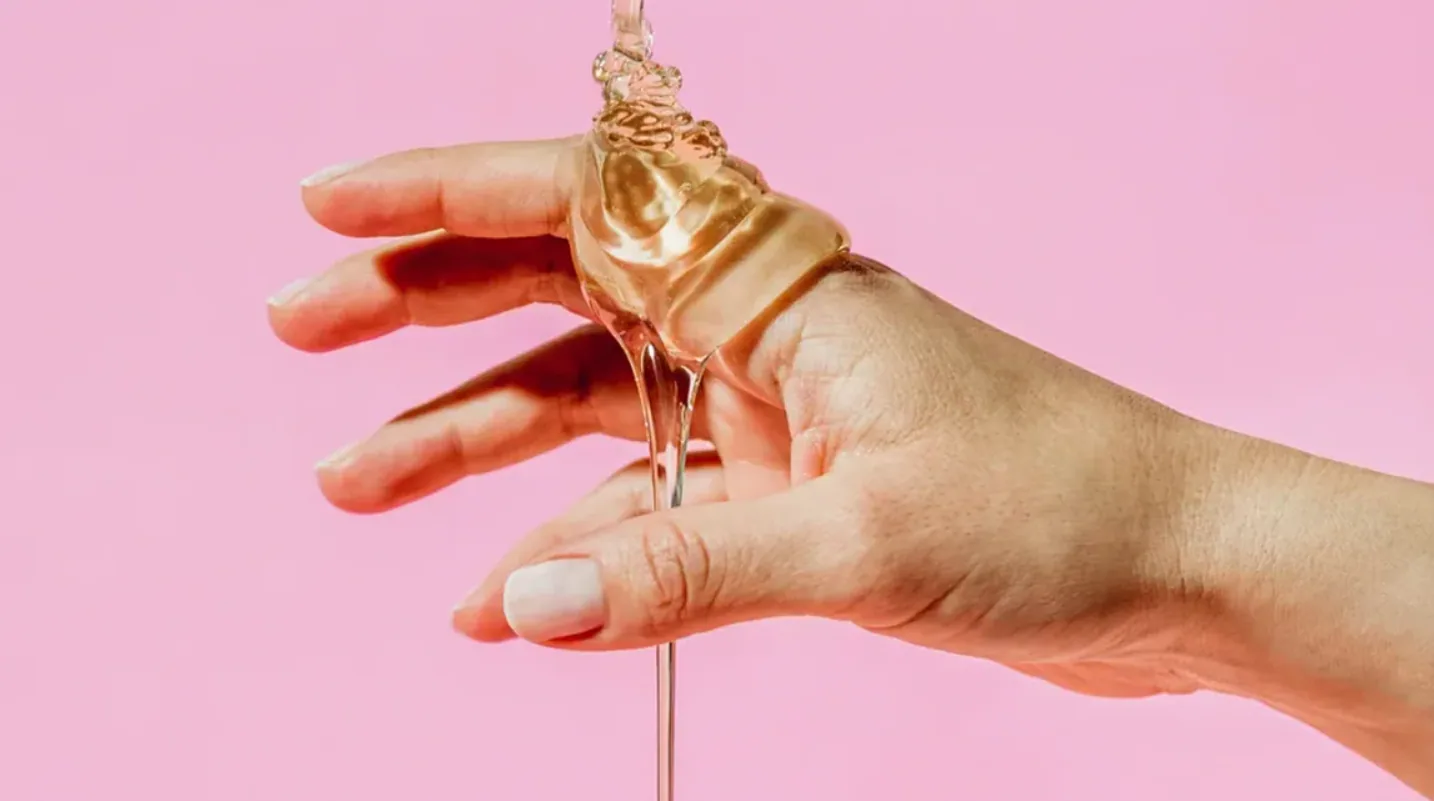
"But I'll just use commercial lubricants," you might think. Smart move but not all commercial products are created equal.
Many popular lubricants contain glycerin, which breaks down into sugars. Guess what loves sugar? Yeast. Dr. Mary Marnach at Mayo Clinic notes that glycerin-containing lubricants like standard K-Y Jelly can promote both yeast infections and bacterial vaginosis.
Some commercial lubricants had osmolalities five times higher than WHO recommendations. Astroglide, for example, measured at 5,848 mOsm/kg causing severe irritation and tissue damage in studies. NBC News
What You Should Actually Use
I recommend these evidence-based options:
Water-based lubricants without glycerin. Look for products specifically labeled as glycerin-free. Astroglide Free is one example. These wash away easily, don't disrupt vaginal pH, and are compatible with condoms.
Silicone-based lubricants. Longer-lasting than water-based options, safe with condoms, and well-tolerated by most people. Products like K-Y Intrigue or Uber Lube meet medical standards. Contemporary OB/GYN
Check the labels. Ensure the product has a pH around 4.5 and osmolality below 1,200 mOsm/kg. Yes, manufacturers are starting to list these values because they matter!
The Bottom Line
Your intimate health isn't something to gamble with. The products you choose matter not just for comfort, but for preventing serious infections that can affect your fertility, increase STI risk, and cause significant discomfort.
Stop using petroleum jelly, baby oil, cooking oils, lotions, or any other household product as a lubricant. These aren't designed for intimate use, despite what internet forums might suggest. The evidence is clear: these products cause real harm.




Comments (0)
Be the first to comment on this article!
Share your thoughts and start the discussion.