


The Science Behind Why Intermittent Fasting Works (or Fails)
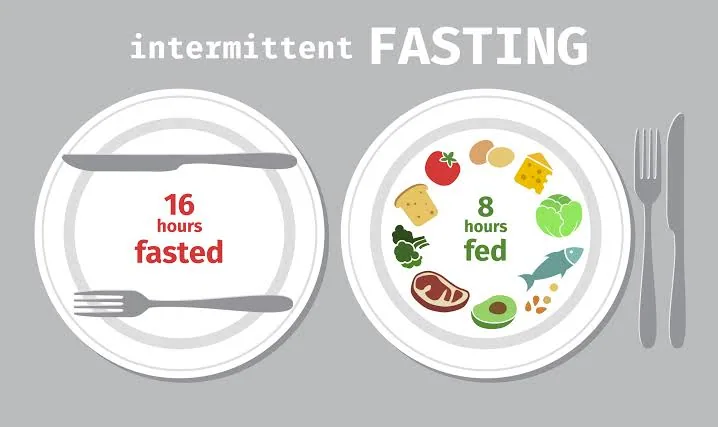
When you enter a fasted state, insulin levels in your blood fall. This signals your body to stop using glucose as its primary fuel and start using stored fat instead. At the same time, levels of human growth hormone (HGH) rise, which helps preserve lean muscle tissue. Fasting also stimulates a natural repair process known as autophagy, which allows your body to remove damaged cells and replace them with healthier ones.
These mechanisms work together to support fat loss, improve metabolic flexibility, and even reduce chronic inflammation.
However, these benefits are extremely sensitive to what you eat once the fast ends. If your first meal contains simple sugars, refined carbohydrates, or ultra-processed snacks, your insulin level will spike immediately. This forces your body back into “storage mode” and stops fat burning almost instantly even if you fasted correctly for 14–16 hours.
Step-by-Step Reset Guide to Make Intermittent Fasting Actually Work
Step 1: Start With a Physiologically Realistic Schedule
Instead of jumping straight into a strict 16:8 or 18:6 protocol, begin with a 14-hour fast and 10-hour eating window (14:10). It still delivers metabolic benefits and is much easier to sustain. Once your body adjusts and you feel stable, you can shorten the eating window gradually.
Step 2: Break Your Fast With a Balanced, Low-Glycemic Meal
The first meal after fasting should never be a sugary or refined snack. Make sure your plate contains high-quality protein (such as eggs, lean chicken or Greek yogurt), a healthy source of fat (like avocado, nuts or olive oil) and fiber-rich vegetables. This combination slows digestion, minimizes insulin spikes, and keeps you satisfied longer.
Read also: 5 Best Fruits for Boosting Immunity, According to Nutritionists
Step 3: Prioritize Your Daily Protein Intake
intermittent fasting Protein helps protect muscle mass during fasting and also promotes satiety. Aim for 1.0–1.2 g of protein per kilogram of body weight throughout your eating window. A 70-kg adult, for example, should consume between 70 and 84 grams of protein per day, divided into two or three meals.
Step 4: Replace Simple Carbohydrates With Complex Ones
If you’re still consuming white bread, sugary cereals or packaged snacks during your eating window, you’re sabotaging your own results. Switch to slower-digesting complex carbohydrates such as rolled oats, quinoa, barley, brown rice and sweet potatoes. They release glucose gradually and keep your energy levels stable. What Intermittent Fasting Can Do for Your Heart
Step 5: Stay Properly Hydrated During the Fasting Period
Thirst is often misinterpreted as hunger. Drink plenty of water, black coffee or herbal tea (without sugar) during your fast. This helps curb cravings, keeps your metabolism active and reduces the temptation to break the fast earlier than planned.
Step 6: Don’t Compensate by Overeating Once the Fast Ends
Many people consume large volumes of food after fasting, thinking they “deserve it” for being disciplined. Unfortunately, that usually creates a caloric surplus, which overrides the calorie deficit created by the fast. Eat until you feel comfortable not until you feel completely full.
Step 7: Include Micronutrient-Dense Foods in Your Daily Diet
Even short-term fasting can limit your intake of essential vitamins and minerals if your meals consist mostly of processed food. Include plenty of leafy green vegetables (spinach, kale, amaranth), citrus fruits (oranges, lemons), mixed nuts and seeds. These supply magnesium, iron, zinc, and other nutrients that support energy production and hormonal balance.
Read also: 10 Foods That Burn Belly Fat While You Sleep Number 5 Will Surprise You
What Results You Can Expect (If Done Correctly)
Time Frame Expected Effect
-
Days 3–7 Reduction in hunger during fasting hours; clearer mental focus
-
Week 2 More stable energy; improved sleep; slight fat reduction
-
Weeks 3–4 Noticeable decrease in abdominal fat; better digestion; improved insulin sensitivity
Conclusion
Keep in mind that intermittent fasting is not a quick fix. It’s a long-term metabolic strategy. Consistency is far more important than strictness.
If, after 4 full weeks of dedicated implementation with proper nutrition, you still experience no meaningful change, it may be necessary to consult a certified nutritionist or physician to rule out underlying metabolic or hormonal conditions.
If you’ve applied the process correctly for 4 full weeks and still see zero progress, talk to a qualified nutritionist. In some cases, hormonal or metabolic issues need direct medical intervention.


Comments (0)
Be the first to comment on this article!
Share your thoughts and start the discussion.