

The Silent Thief: Understanding What Endometriosis Really Is
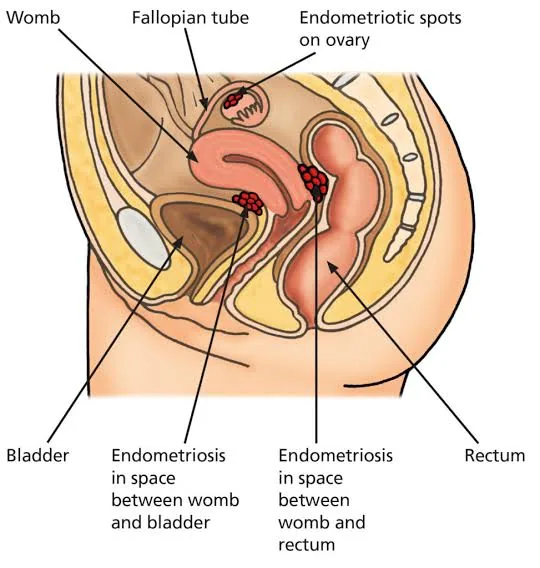
Let me paint you a picture of what's happening inside your body. Imagine tissue that normally lines your uterus endometrial tissue deciding to pack up and relocate to places it has no business being. Your ovaries. Your fallopian tubes. Your pelvic cavity. Sometimes even your bladder or bowel.
This rogue tissue still thinks it's inside your uterus. So every month, when your hormones signal that it's time for your period, this displaced tissue responds by thickening, breaking down, and bleeding just like it would during a normal menstrual cycle. But here's the problem: unlike the tissue in your uterus, this blood has nowhere to go WHO.
The result? Chronic inflammation, scar tissue formation, and adhesions that can literally glue your pelvic organs together. Your ovaries might stick to your uterus. Your fallopian tubes could become blocked or damaged. And all of this can happen while you're going about your daily life, completely unaware that your fertility is under siege.
The Fertility Time Bomb: How Endometriosis Destroys Your Chances of Conceiving
Here are the numbers that should wake every woman up: Between 30-50% of women with endometriosis will experience infertility Mass General. To put that in perspective, if you have endometriosis, you're facing essentially a coin flip when it comes to your natural ability to conceive.
But the mechanism behind this isn't random it's methodical and devastating:
Ovarian Damage: When endometriosis forms cysts on your ovaries (called endometriomas or "chocolate cysts"), it doesn't just sit there quietly. These cysts can destroy healthy ovarian tissue, reducing your egg reserve and compromising egg quality. Research shows that IVF success rates are significantly lower when using eggs from women with endometriosis compared to other causes of infertility Dr. Seckin.
Fallopian Tube Blockage: Scar tissue and adhesions can block or damage your fallopian tubes, preventing eggs from traveling to your uterus. In severe cases, this can even lead to life-threatening ectopic pregnancies.
Immune System Disruption: Endometriosis creates a state of chronic inflammation that can make your immune system hostile to pregnancy. This altered immune environment can prevent embryos from implanting properly or cause recurrent early miscarriages.
Hormonal Interference: The disease can disrupt the delicate hormonal balance needed for ovulation and implantation, making conception difficult even when the physical structures are intact.
The Warning Signs You're Probably Dismissing
This is where my frustration as a healthcare professional reaches its peak. Women are consistently told that severe period pain is "normal." That missing work or school because of cramps is just "part of being a woman." This normalization of debilitating pain is not just wrong it's dangerous.
Here are the signs that should send you straight to a gynecologist who specializes in endometriosis:
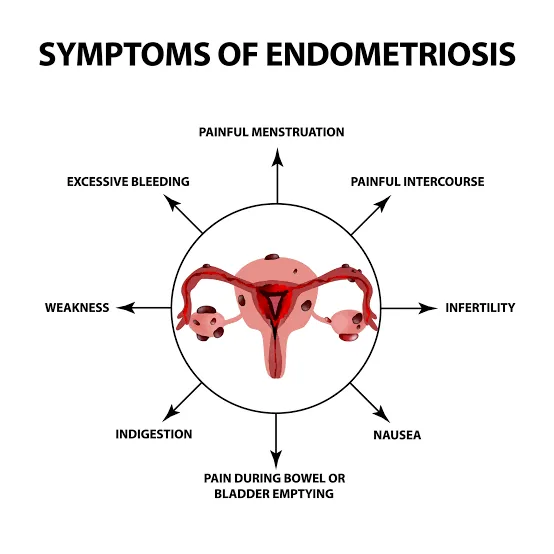
Progressive Period Pain: If your menstrual cramps are getting worse over time or require stronger and stronger pain medication, this isn't normal aging. It could be endometriosis progressing.
Pain Beyond Your Period: Pelvic pain that occurs throughout your cycle, not just during menstruation, is a red flag. This includes pain during ovulation, between periods, or constantly.
Painful Sex: Deep, penetrating pain during intercourse (especially in certain positions) can indicate endometriosis affecting the tissue behind your uterus.
Gastrointestinal Symptoms: Severe bloating, constipation, diarrhea, or painful bowel movements during your period could mean endometriosis has spread to your intestines.
Fertility Struggles: If you've been trying to conceive for more than six months without success (or if you're over 35, more than three months), endometriosis should be on your diagnostic radar.
But here's the truly insidious part: silent endometriosis can steal your fertility without any of these warning signs. Up to 25% of women with endometriosis experience minimal or no symptoms while the disease quietly damages their reproductive organs Dr. Seckin.
The Devastating Impact Beyond Fertility
Let me be clear: endometriosis doesn't just threaten your ability to have children. It can devastate every aspect of your life.
Mental Health Crisis: Studies show that 30-50% of women with endometriosis experience depression, and up to 40% suffer from anxiety Cureus. The chronic pain, fertility struggles, and diagnostic delays create a perfect storm for psychological distress.
Economic Impact: Research reveals that women with endometriosis experience significant workplace productivity losses due to absenteeism and "presenteeism" being physically present but unable to function effectively due to pain JMCP.
Relationship Strain: Painful intercourse and chronic pelvic pain can severely impact intimate relationships, leading to avoidance of sexual activity and relationship discord.
Taking Action: Your Fertility Protection Plan
If any of this resonates with you, here's what you need to do immediately:
Step 1: Document Everything
Start keeping a detailed symptom diary. Track your pain levels, menstrual patterns, gastrointestinal symptoms, and any factors that make symptoms better or worse. This information will be invaluable for your healthcare provider.
Step 2: Find the Right Specialist
Not all gynecologists are created equal when it comes to endometriosis. Seek out a reproductive endocrinologist or a gynecologist who specializes in endometriosis and minimally invasive surgery. These specialists are more likely to recognize subtle signs and have experience with advanced diagnostic techniques.
Step 3: Ask for Proper Testing
If your symptoms suggest endometriosis, ask about:
Specialized imaging like MRI or transvaginal ultrasound performed by radiologists experienced in endometriosis
Blood tests like CA-125 (though this isn't definitive)
BCL-6 testing, which can indicate chronic inflammation
Step 4: Consider Fertility Preservation
If you're diagnosed with endometriosis and not ready to have children immediately, discuss fertility preservation options with your doctor. Egg freezing might be an option, especially if you have endometriomas that could damage your ovarian reserve.
Step 5: Understand Your Treatment Options
Hormonal Management: Birth control pills, progestins, and GnRH agonists can help control symptoms and potentially slow disease progression, though they won't cure the condition WHO.
Surgical Intervention: Laparoscopic excision surgery performed by an experienced surgeon can remove endometriosis lesions and potentially improve both pain and fertility outcomes. However, surgery isn't always the first choice and should be carefully considered based on your individual situation.
Fertility Treatments: If endometriosis has affected your ability to conceive, treatments like ovarian stimulation with intrauterine insemination (IUI) or in vitro fertilization (IVF) may be necessary.
The Bottom Line: Your Fertility Can't Wait
Here's what I need every woman reading this to understand: endometriosis is not a disease you can afford to ignore or hope will go away. Every month you wait for a diagnosis is another month the disease can progress. Every cycle is another opportunity for scar tissue to form, for adhesions to develop, for your ovarian reserve to diminish.


Comments (0)
Be the first to comment on this article!
Share your thoughts and start the discussion.