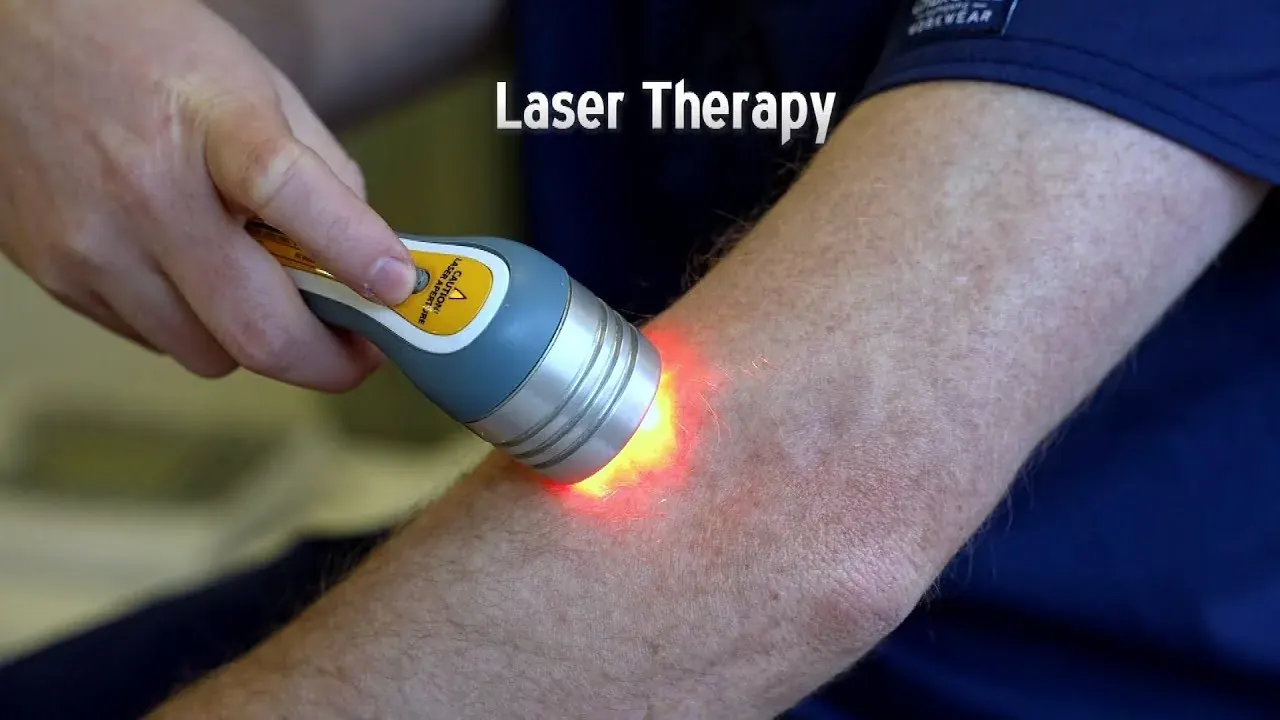
The Dawn of Surgical Precision
Imagine performing surgery with a tool that delivers energy in pulses lasting just 10⁻¹⁵ seconds. That's femtosecond laser technology so fast it makes a camera flash seem sluggish by comparison. These ultra-short bursts of light are revolutionizing how we approach the most delicate medical procedures, from reshaping corneas to fragmenting cataracts.
The numbers tell a compelling story. The global surgical laser market reached $8.28 billion in 2024 and is projected to grow at 11.6% annually through 2030. Grand View Research But this isn't just about market growth it's about a fundamental shift toward precision medicine that's changing patient outcomes in measurable ways.
Why Precision Matters More Than Ever
In traditional cataract surgery, surgeons make incisions by hand, creating capsulotomies with manual instruments. The human hand, skilled as it may be, introduces variability. Femtosecond laser-assisted cataract surgery (FLACS) eliminates this uncertainty. Recent clinical data from over 2,100 eyes shows remarkable results: patients achieved mean corrected visual acuity of 0.02 logMAR with FLACS compared to 0.06 logMAR with conventional surgery. Clinical Ophthalmology
The difference isn't just statistical it's life-changing. Better vision means independence, confidence, and quality of life that manual techniques simply cannot match consistently.
But precision extends beyond outcomes. FLACS procedures require 37% less ultrasound energy than conventional methods, reducing trauma to delicate eye tissues. Lower energy means less inflammation, faster healing, and fewer complications. The complication rate drops from 2.39% with traditional surgery to just 1.60% with laser assistance.
The Technology Behind the Revolution
Femtosecond lasers work by creating microscopic plasma bubbles that disrupt tissue with unprecedented accuracy. These systems can focus energy to within 1 micrometer roughly 1/100th the width of human hair. The result? Surgeons can create perfectly circular, consistently sized capsulotomies that position intraocular lenses with millimeter precision.
Advanced diagnostic integration amplifies this precision further. Optical coherence tomography (OCT) and Scheimpflug imaging provide real-time, three-dimensional maps of ocular structures. Surgeons now operate with information that would have seemed like science fiction just a decade ago. Recent Advances in Refractive Surgery
The SMILE (Small Incision Lenticule Extraction) procedure exemplifies this evolution. Rather than creating large corneal flaps, SMILE uses femtosecond lasers to reshape vision through incisions smaller than 4mm. Patients experience faster recovery, reduced dry eye symptoms, and maintain better corneal structural integrity.
Read also: Discover How LASIK Surgery Reshapes Your Eyes for Sharper Vision and Lasting Clarity
Beyond the Eye: Expanding Surgical Horizons
While ophthalmology leads laser surgery adoption, other specialties are rapidly embracing this precision. Dermatological procedures using laser technology grew 9% in 2023, with over 800,000 laser hair removal treatments performed. American Society of Plastic Surgeons The appeal isn't just cosmetic these procedures offer reduced scarring, minimal bleeding, and accelerated healing compared to traditional methods.
In neurosurgery, MRI-guided laser ablation enables surgeons to treat previously inoperable brain conditions. The procedure requires only small burr holes rather than craniotomies, reducing surgical trauma by orders of magnitude. Patients who once faced weeks of recovery now return home within days.
Urological procedures have similarly transformed. Holmium laser enucleation of the prostate achieves complete tissue removal with minimal blood loss and same-day discharge for many patients. The precision prevents damage to surrounding structures while ensuring complete treatment.
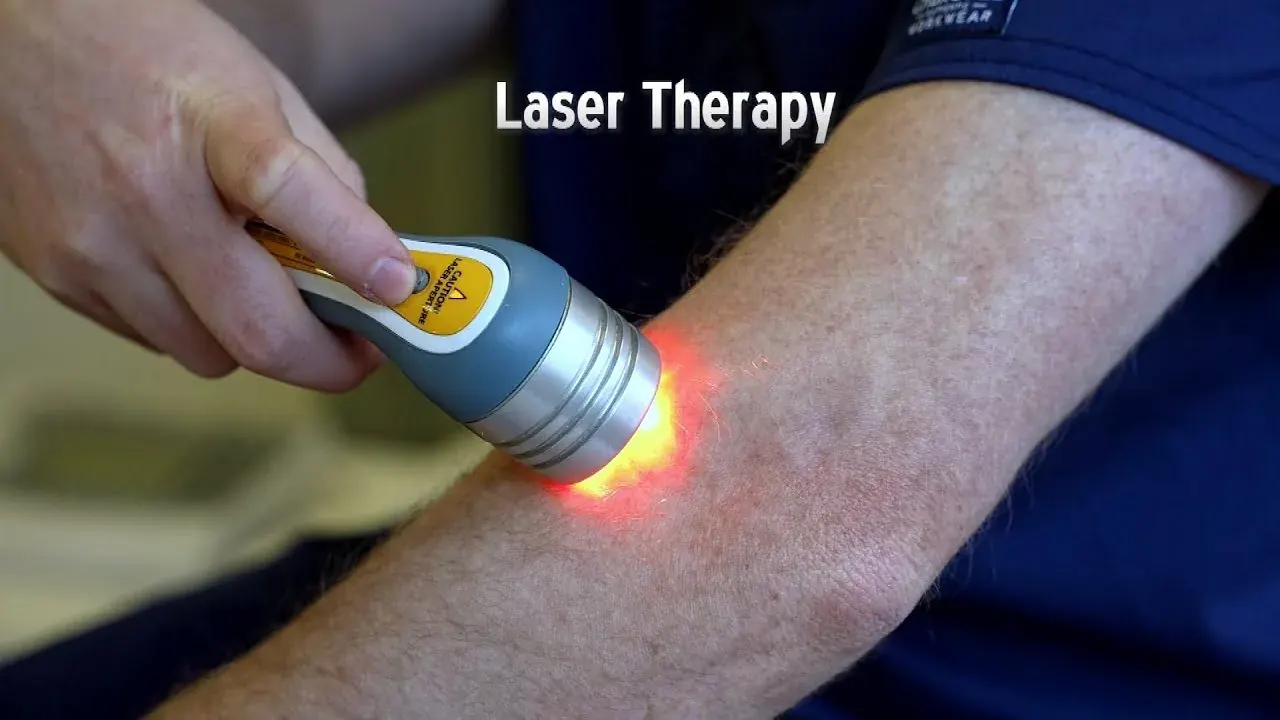
The Economics of Precision
Cost concerns initially limited laser surgery adoption, but economics now favor advanced techniques. While femtosecond laser systems cost hundreds of thousands of dollars, rental markets have democratized access. The surgical laser rental market reached $10.3 billion in 2024, growing at 7.3% annually. Grand View Research
This rental model enables smaller practices and ambulatory surgery centers to offer cutting-edge procedures without massive capital investments. Patients benefit from wider access to advanced care, while providers can upgrade to newest technologies without obsolescence concerns.
More importantly, laser procedures often prove more cost-effective long-term. Reduced complications, shorter recovery times, and improved outcomes translate to lower total healthcare costs. When FLACS achieves 93.7% emmetropia rates compared to 90.6% for conventional surgery, fewer patients require corrective procedures.
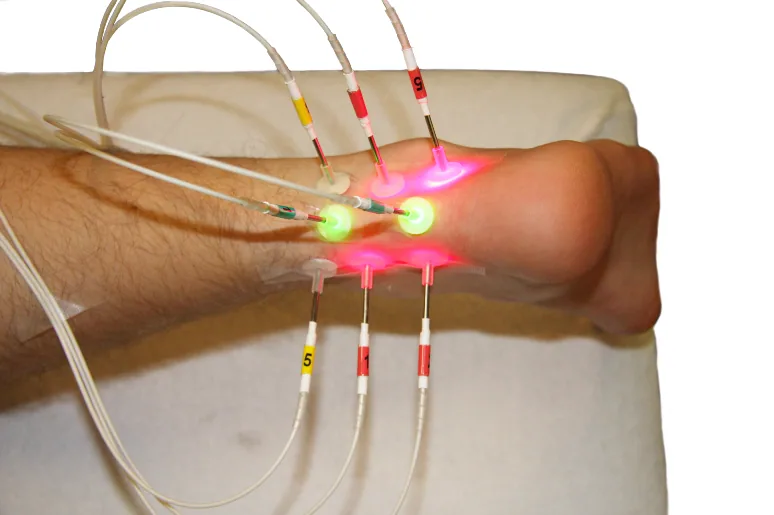
Real-World Impact What Patients Experience
The patient experience reveals laser surgery's true value. Traditional LASIK recovery involves several days of discomfort and weeks before optimal vision stabilizes. Advanced femtosecond procedures reduce recovery to 1-3 days for most activities, with vision stabilizing within weeks rather than months.
Dr. Sarah Chen, an ophthalmologist in San Francisco, describes the transformation: "Patients tell me they wish they hadn't waited. The precision of femtosecond lasers means predictable outcomes and faster healing. What used to be a leap of faith is now routine precision medicine."
The psychological benefits extend beyond physical outcomes. Studies of high myopia patients receiving implantable collamer lenses show significant improvements in anxiety and depression scores post-surgery. When people regain visual independence, their entire quality of life improves. Recent research findings
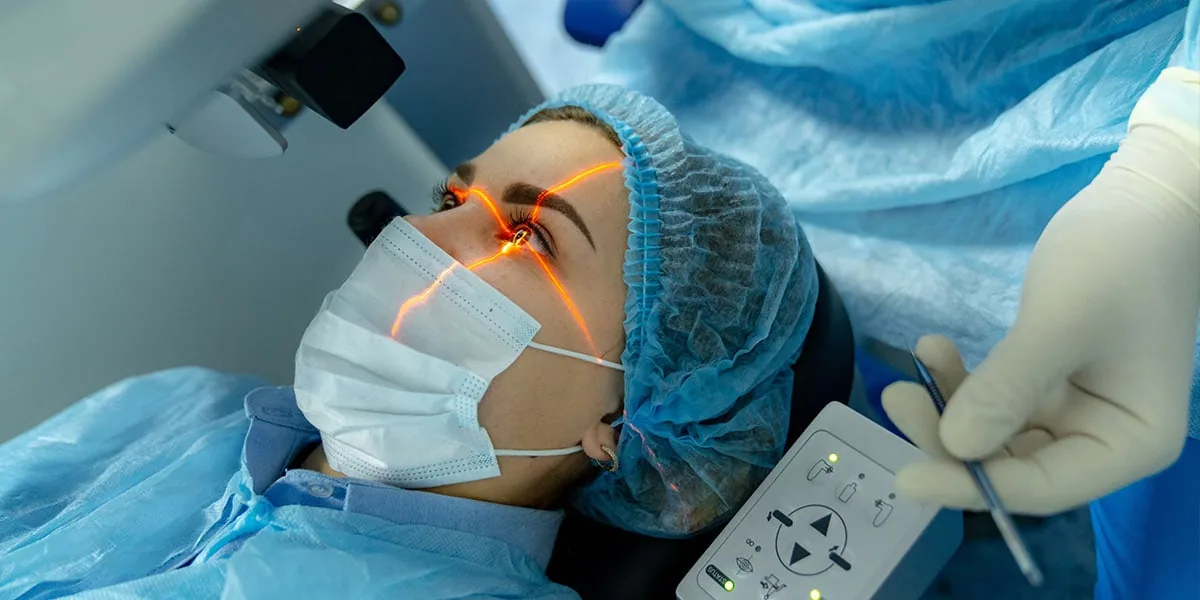
Challenges and Limitations
Despite remarkable advances, laser surgery faces genuine constraints. Not every patient qualifies for every procedure. Corneal thickness, refractive error severity, and underlying conditions affect candidacy. Surgeons must carefully evaluate each case to ensure optimal outcomes.
Technology dependence introduces new considerations. Laser systems require precise calibration, regular maintenance, and specialized training. When systems malfunction, backup procedures become necessary. This technological sophistication demands ongoing education and quality assurance protocols.
Patient expectations also require careful management. While laser surgery achieves remarkable precision, individual healing varies. Some patients may experience temporary visual disturbances or require enhancement procedures. Clear communication about realistic outcomes remains essential.
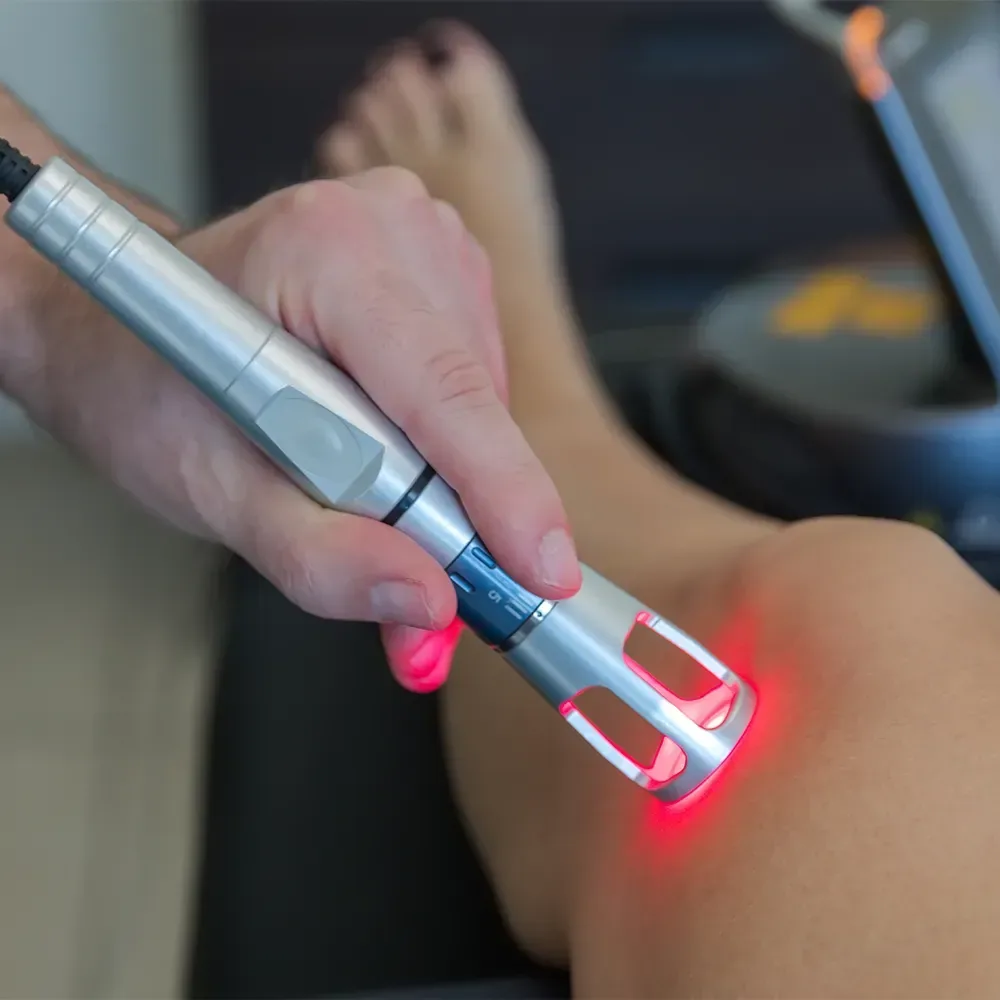
The Future Landscape
Artificial intelligence integration promises the next quantum leap in laser surgery precision. AI-powered systems can analyze thousands of similar cases to optimize treatment parameters for individual patients. Machine learning algorithms identify subtle patterns human observers might miss, potentially improving outcomes further.
Robotics represents another frontier. Automated laser delivery systems could eliminate even minor human variations in procedure execution. Early trials show promise for consistent, reproducible results across different surgeons and facilities.
Combined therapies are expanding treatment possibilities. Corneal cross-linking plus refractive correction addresses both vision and structural integrity simultaneously. These integrated approaches offer comprehensive solutions previously impossible with conventional techniques.
Making the Decision
For patients considering laser surgery, the evidence strongly favors advanced techniques when appropriate candidacy exists. Success rates exceed 95% for most procedures, with complications remaining rare when performed by experienced surgeons using modern equipment.
The key lies in choosing qualified providers with extensive laser surgery experience. Board certification, case volume, and outcomes tracking separate excellent surgeons from merely competent ones. Investment in the best possible care pays dividends in both short-term results and long-term satisfaction.
Conclusion A Surgical Revolution in Progress
Laser-powered surgery represents more than technological advancement.it embodies medicine's evolution toward precision, predictability, and improved patient outcomes. As femtosecond technology continues advancing and costs continue declining, these techniques will become standard care rather than premium options.
The statistics speak for themselves: better visual outcomes, fewer complications, faster recovery, and higher patient satisfaction. When surgery can be performed with micrometer precision using energy pulses lasting femtoseconds, the impossible becomes routine.
We stand at the threshold of a surgical revolution where light itself performs operations once requiring human hands. For the 32 million people worldwide needing cataract surgery and millions more requiring other delicate procedures laser precision offers hope for outcomes that exceed what was previously possible.