Medical emergency? Call your local emergency number
First aid guides

Menu

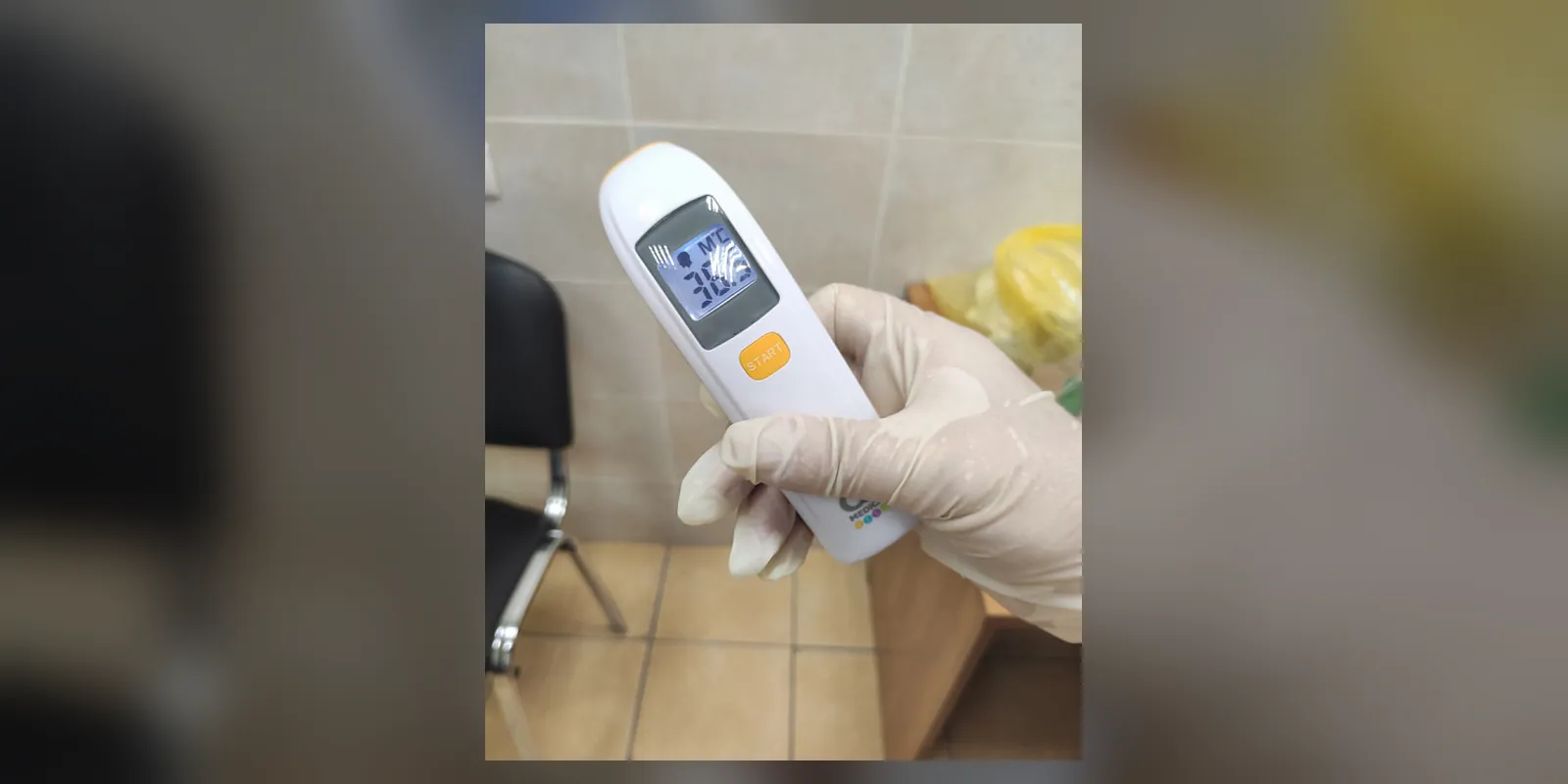
How to take a temperature with a digital thermometer

A digital thermometer showing a temperature reading Everyday health skills 1 min read
Not yet medically reviewed. This page has not been checked by a qualified medical reviewer. Use it for general education only and confirm anything important with a healthcare professional. Last updated 26 October 2026.
These tutorials are for general education. Follow the instructions that come with any device or product, and ask a health professional if you are unsure whether something is safe for you.

Measure temperature accurately in babies, children and adults.

What this helps you do

Knowing the temperature helps you decide when a fever needs medical advice.

Safety: before you start

For children under 5, measure under the arm with a digital thermometer. Do not use glass mercury thermometers.

What you will need

  • A digital thermometer
  • Alcohol wipe or soap and water to clean it

Step by step

  1. Clean the thermometer tip.
  2. Under the arm: place the tip in the armpit and hold the arm against the body.
  3. By mouth (older children and adults): place the tip under the tongue and close the lips.
  4. Wait for the beep and read the number.
  5. Clean the thermometer again.

Tips and common mistakes

Wait 20 to 30 minutes after a hot or cold drink before an oral reading. A temperature of 38°C or above is a fever.

When to stop and get help

Seek urgent help for a baby under 3 months with a temperature of 38°C or more, or any child who is floppy, hard to wake, has a rash that does not fade when pressed, or is breathing fast.

For students & clinicians (technical detail)

How and why it works

Body temperature rises during infection because the brain resets its thermostat. Fever itself is not usually dangerous; how unwell the person seems matters more.

Image credits

  • Heading image: Newspaper "Number One" (photographer Сажинова Оксана), Wikimedia Commons, Public domain

References

  1. Health topics. World Health Organization. Citation not yet verified
  2. Medical Devices. U.S. Food and Drug Administration. Citation not yet verified
  3. Medicines information. European Medicines Agency. Citation not yet verified

More DIY tutorials

View all