Medical emergency? Call your local emergency number
First aid guides

Menu

How to clean and dress a minor cut

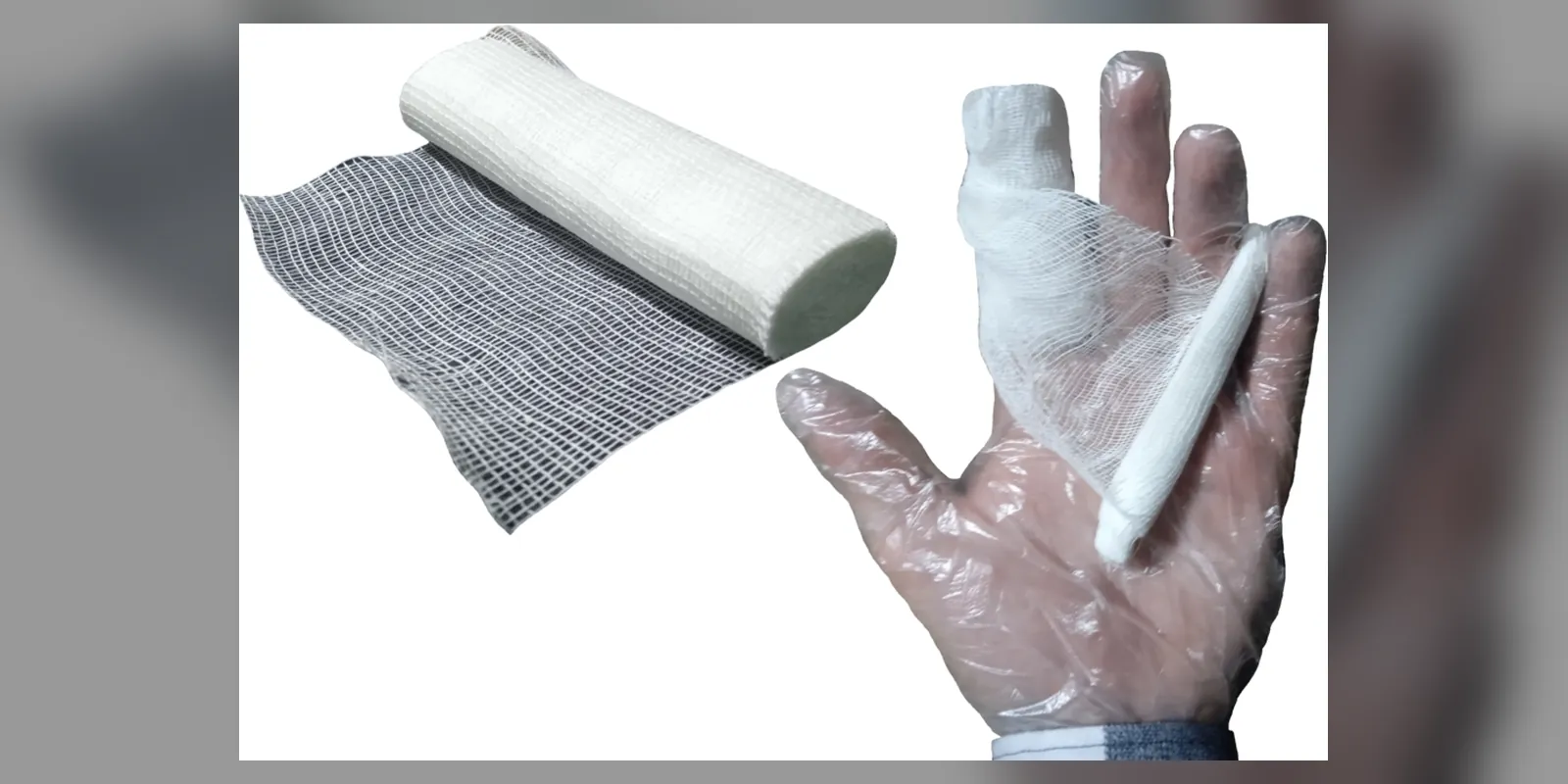
Modern gauze bandage: Small sizes, individually packaged to ensure sterility. Everyday health skills 1 min read
Not yet medically reviewed. This page has not been checked by a qualified medical reviewer. Use it for general education only and confirm anything important with a healthcare professional. Last updated 26 October 2026.
These tutorials are for general education. Follow the instructions that come with any device or product, and ask a health professional if you are unsure whether something is safe for you.

Stop the bleeding, clean the wound and cover it to help it heal.

What this helps you do

Simple wound care lowers the risk of infection and helps small cuts heal quickly.

Safety: before you start

Wash your hands. If the cut is deep, gaping, spurting blood or has something stuck in it, do not clean it yourself: get medical help.

What you will need

  • Clean running water
  • Sterile gauze or a clean cloth
  • Plasters or sterile dressings
  • Disposable gloves if available

Step by step

  1. Press firmly on the cut with clean gauze for 10 minutes to stop the bleeding.
  2. Rinse the cut under clean running water.
  3. Gently clean around it; do not scrub inside.
  4. Pat dry with clean gauze.
  5. Cover with a plaster or sterile dressing.
  6. Change the dressing if it gets wet or dirty.

Tips and common mistakes

Avoid cotton wool, which leaves fibres. Check your tetanus vaccination is up to date.

When to stop and get help

Seek medical help for cuts that will not stop bleeding after 10 minutes of pressure, are deep or gaping, come from an animal or human bite, or show infection: spreading redness, swelling, pus or fever.

For students & clinicians (technical detail)

How and why it works

Pressure lets platelets form a clot. Rinsing removes dirt and bacteria, and a covered wound stays moist, which helps new skin grow.

Image credits

  • Heading image: im_tau, Wikimedia Commons, CC BY 4.0

References

  1. Drake RL, Vogl AW, Mitchell AWM. Gray's Anatomy for Students, Edition to be verified. Elsevier. Citation not yet verified
  2. Medical Devices. U.S. Food and Drug Administration. Citation not yet verified
  3. Medicines information. European Medicines Agency. Citation not yet verified
  4. Resuscitation guidelines. European Resuscitation Council. Citation not yet verified

More DIY tutorials

View all