

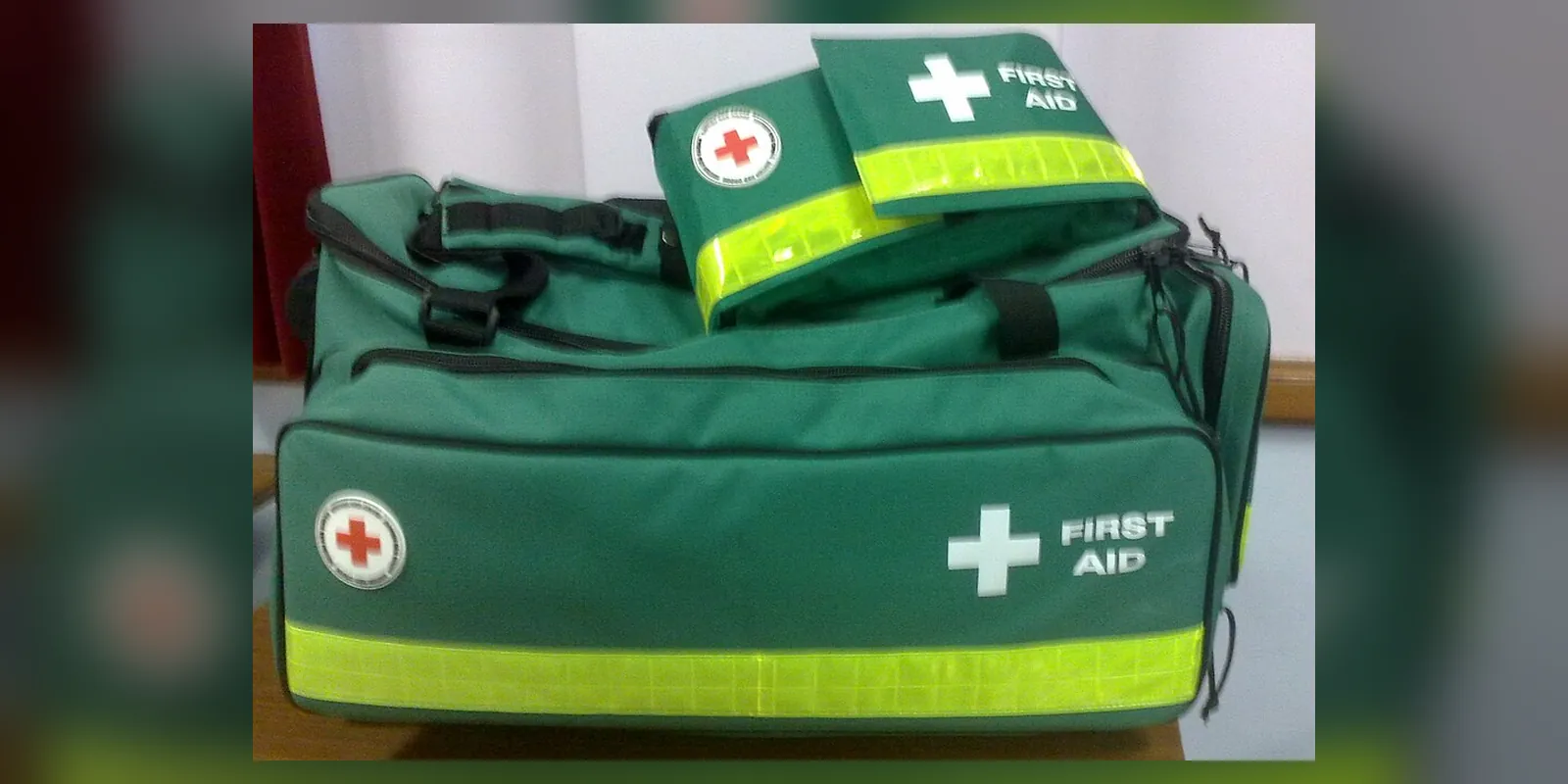
What this helps you do
A well-stocked kit lets you deal quickly with minor injuries and give first aid while waiting for help.
Safety: before you start
Keep the kit out of reach of children but easy for adults to find. Do not store prescription medicines for others in it.
What you will need
- A waterproof box
- Plasters in different sizes and sterile dressings
- Crepe bandages, triangular bandage and safety pins
- Disposable gloves, scissors and tweezers
- A digital thermometer
- Antiseptic wipes or saline
- Paracetamol and ibuprofen suitable for your household
- A list of emergency numbers
Step by step
- Choose a sturdy, waterproof container and label it clearly.
- Add the items in the list.
- Write down emergency numbers and any family allergies or conditions.
- Tell everyone at home where the kit is.
- Check it every 6 months and replace used or expired items.
Tips and common mistakes
Keep a smaller kit in the car. Consider a first aid course so you know how to use everything.
When to stop and get help
A kit is for minor problems. Call emergency services for serious injuries, breathing difficulty, chest pain or heavy bleeding.