What Is a Smart Thermometer?
Unlike traditional thermometers, which only provide a single temperature reading, smart thermometers sync with digital platforms to offer detailed temperature tracking. Most models connect via Bluetooth or Wi-Fi, sending data directly to an app where you can view trends, receive alerts, and even share records with healthcare providers
Types of Smart Thermometers:
-
Digital Smart Thermometers – Traditional oral, rectal, or underarm thermometers that sync with an app for storage and analysis.
-
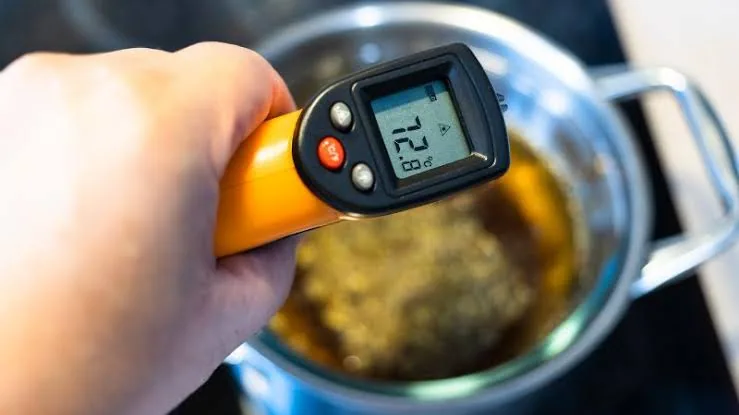
Infrared Smart Thermometers – Contactless forehead or ear thermometers that provide quick and hygienic readings.
-
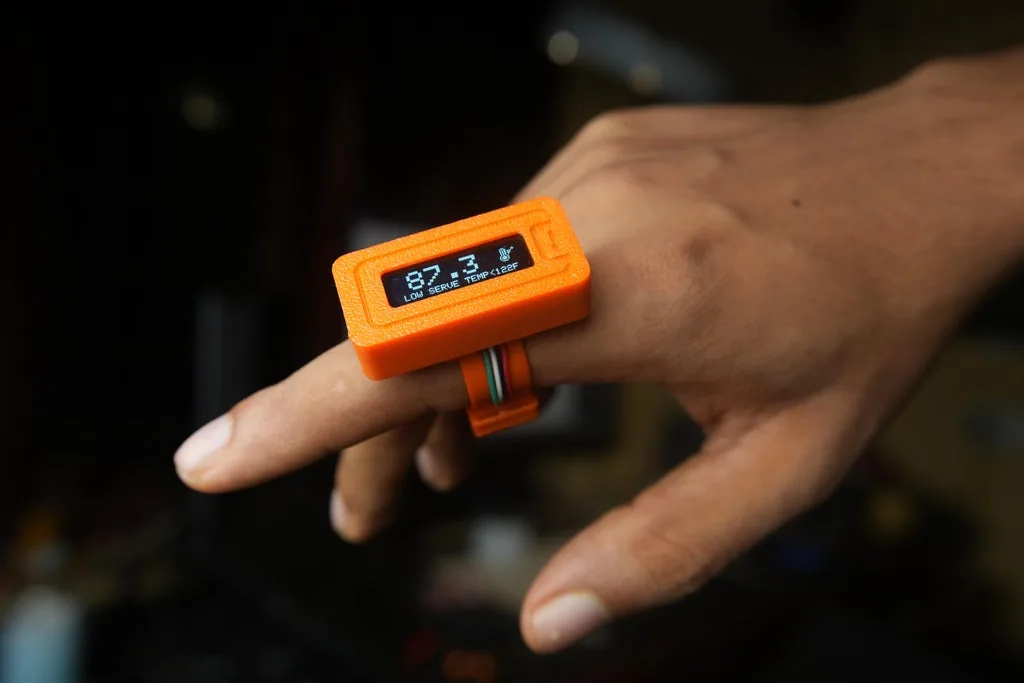
Wearable Smart Thermometers – Small patches or continuous monitoring devices that track temperature changes over time.
Each type serves a different purpose, but all provide the key advantage of automatic data tracking, removing the need to write down readings manually.
- Parents Managing Childhood Fevers
Fevers in children can spike suddenly, often in the middle of the night. A smart thermometer allows parents to track changes overnight, set medication reminders, and share data with pediatricians, ensuring their child gets the right care at the right time.
- People with Chronic Illnesses
For those with autoimmune disorders, post-surgical recovery, or ongoing infections, tracking temperature patterns can signal complications early. A rising fever could mean an infection is worsening, and catching it early can prevent more serious health risks.
- Those Monitoring COVID-19, Flu, or Other Infections
A fluctuating fever is often a key symptom of viral illnesses. Smart thermometers help users determine whether a fever is trending upward, remaining stable, or breaking, offering valuable insight into the progression of an illness.
- Caregivers for the Elderly or Immunocompromised
Older adults and those with weakened immune systems are more vulnerable to complications from fevers. A smart thermometer helps caregivers monitor temperature trends remotely and respond quickly if concerning changes occur.
- Athletes and High-Performance Individuals
Body temperature can impact hydration, endurance, and recovery. Some athletes use smart thermometers to track fluctuations during training and adjust their routines accordingly.
How to Use a Smart Thermometer Effectively
- Choose the Right Device for Your Needs
Need quick checks? Go for an infrared model. Want long-term fever tracking? A wearable smart thermometer is a better fit. Pick the one that suits your lifestyle.
- Take Readings at Consistent Times
Temperature can vary throughout the day. For accurate tracking, measure at the same times daily, morning and evening readings are ideal.
- Use the App to Log Symptoms
Many smart thermometers allow users to log additional symptoms like chills, fatigue, or headaches. This provides a more complete picture of your health.
- Compare Temperature Trends Over Time
Instead of reacting to a single high reading, analyze trends. Is the fever getting worse? Does it spike at certain times? Understanding patterns helps you make informed decisions.
- Share Data with Your Doctor
Most smart thermometer apps allow you to export temperature logs. This feature is useful for medical visits, ensuring healthcare providers have an accurate history of your fever trends.
Key Benefits of Smart Thermometers
- Trend Tracking Over Time
Instead of a one-time reading, smart thermometers provide a clear picture of temperature changes, helping to determine whether a fever is improving or worsening.
- Alerts for Dangerous Temperature Spikes
Some models send notifications when temperatures reach concerning levels, ensuring timely medical intervention.
- Easy Data Sharing for Remote Healthcare
Temperature history can be shared with doctors or caregivers, enabling remote monitoring and faster medical assessments.
- Enhanced Infection Control
For workplaces, schools, or households with multiple family members, smart thermometers help identify and track fever outbreaks early.
- Reduces Guesswork in Illness Management
Instead of wondering if a fever is “bad enough” to warrant concern, smart thermometers provide concrete data to guide health decisions.
When to Seek Medical Attention
A fever is usually a sign that your body is fighting something off, but certain warning signs require immediate medical attention:
- A fever persists for more than three days without improvement.
- A temperature reaches 103°F (39.4°C) or higher.
- Difficulty breathing, confusion, or persistent vomiting occurs.
- An infant under three months old has a fever of 100.4°F (38°C) or higher.
- A fever is accompanied by a severe headache, rash, or stiff neck.
- If any of these symptoms appear, contact a healthcare provider immediately.
Final Thoughts
Smart thermometers are more than just an upgrade to traditional devices. They track temperature trends, provide real-time alerts, and enable easy data sharing, making them an essential tool for modern health monitoring.