Overview
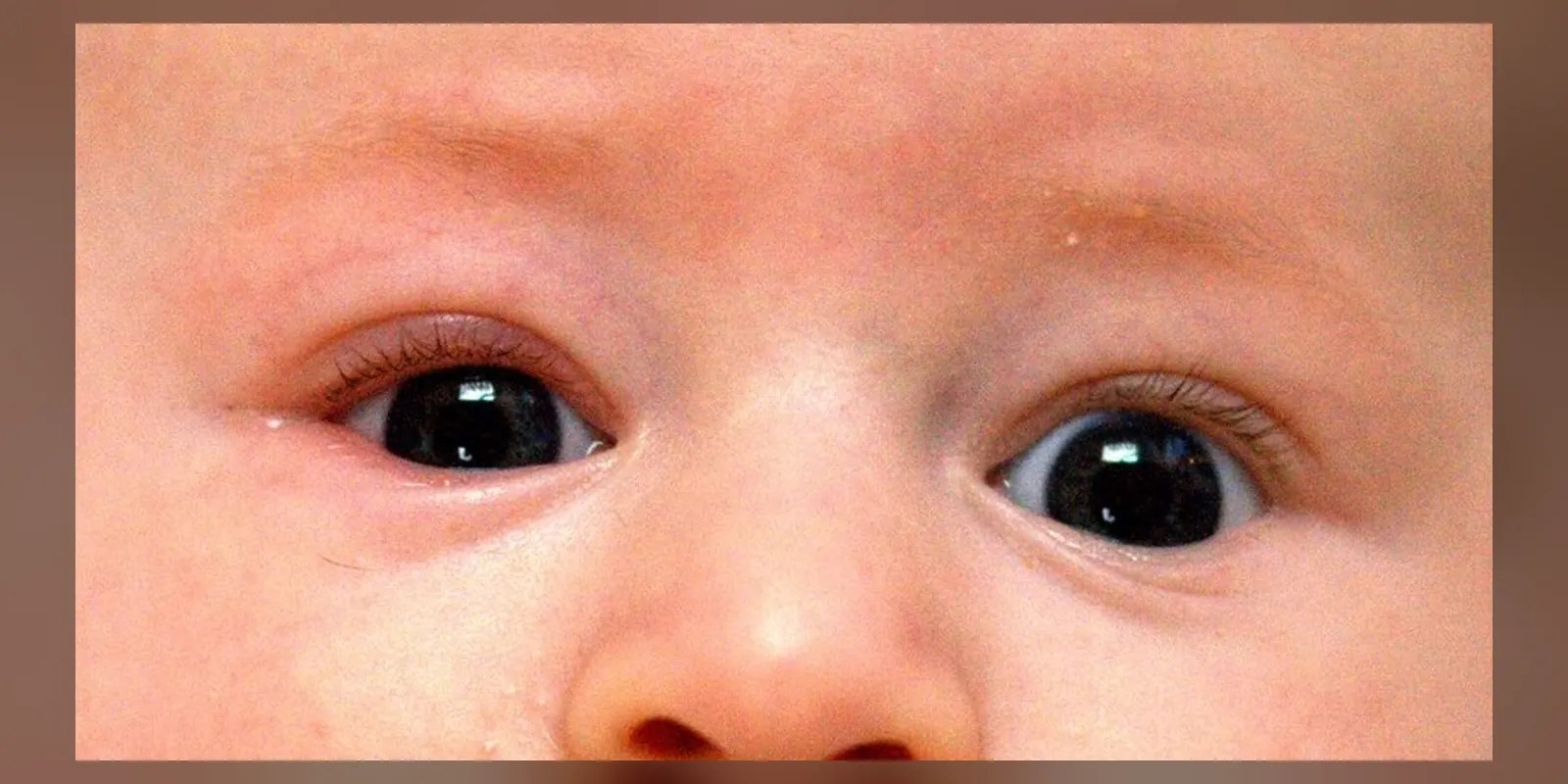
Blepharitis is inflammation of the edges of the eyelids, where the eyelashes grow. It causes red, swollen, itchy eyelids, crusting or flakes at the base of the eyelashes, and eyes that feel gritty, burning or dry. It usually affects both eyes.
Blepharitis is one of the most common eye conditions and is often long-term, with symptoms that come and go. It is not usually serious and does not normally damage eyesight, but it can be uncomfortable and frustrating. It is linked with skin conditions such as rosacea and seborrhoeic dermatitis, and with dry eye disease. There is no permanent cure, but daily eyelid hygiene usually controls symptoms well.
When to get urgent help
Seek urgent eye care for eye pain, reduced vision, sensitivity to light with redness, or swelling spreading around the eye.
Causes and risk factors
- Meibomian gland dysfunction: blocked oil glands in the eyelids, the most common cause
- Staphylococcal bacteria on the eyelid margin
- Seborrhoeic dermatitis (dandruff)
- Rosacea
- Demodex mites, tiny mites that live in eyelash follicles
- Allergies to eye drops, cosmetics or contact lens solutions
- Dry eye disease
- Older age
How it develops (pathophysiology)
Normal eyelid function
The eyelid margins contain:
- Meibomian glands: around 25 to 40 oil glands in each eyelid that release oils (meibum) onto the eye surface with each blink
- Eyelash follicles with associated small glands
- A thin tear film, made of an oil layer (from meibomian glands), a watery layer and a mucus layer, which keeps the eye moist and clear
The oily layer prevents tears from evaporating too quickly. Blinking spreads the tears evenly across the eye.
What goes wrong
Blepharitis is usually divided into anterior (front edge, around the eyelashes) and posterior (inner edge, meibomian glands):
Anterior blepharitis:
- Bacterial colonisation: staphylococcal bacteria multiply on the eyelid margin, releasing toxins and enzymes.
- Inflammation: these irritate the eyelids, causing redness, swelling and crusting around the eyelashes.
- Seborrhoeic changes: greasy scales form in people with seborrhoeic dermatitis.
- Demodex: mites feed on skin cells and oils in eyelash follicles, causing irritation and characteristic "collarettes" (cuff-like flakes) around the lashes.
Posterior blepharitis (meibomian gland dysfunction):
- Gland blockage: oil secretions thicken, and gland openings become blocked by keratin.
- Poor oil quality: oils change in composition and become more irritating.
- Tear film instability: less oil reaches the tear film, so tears evaporate faster, causing evaporative dry eye.
- Inflammation: bacteria break down oils into irritating free fatty acids, worsening inflammation.
These processes reinforce each other, creating a cycle of inflammation.
Why the symptoms happen
- Red, swollen eyelid edges reflect inflammation.
- Crusting and flakes at the lash base reflect bacterial, seborrhoeic or Demodex changes.
- Gritty, burning, dry eyes reflect tear film instability.
- Watery eyes occur as a reflex to dryness.
- Blurred vision that clears with blinking reflects an unstable tear film.
- Sticky eyelids in the morning reflect overnight accumulation of debris.
How treatment acts on the mechanism
Warm compresses soften blocked oils so they can flow. Lid massage pushes oils out of the glands. Lid cleaning removes crusts, bacteria and mites. Antibiotic ointments (such as chloramphenicol) reduce bacteria. Oral doxycycline or azithromycin reduce inflammation and improve oil quality. Tea tree oil products or lotilaner drops reduce Demodex. Artificial tears support the tear film.
Types
- Anterior blepharitis: affects the outer eyelid edge and lashes
- Posterior blepharitis: meibomian gland dysfunction
- Mixed blepharitis: both
- Demodex blepharitis
Signs and symptoms
- Red, swollen eyelid edges
- Itchy, burning or gritty eyes
- Flakes or crusts at the base of the eyelashes
- Sticky eyelids, especially in the morning
- Watery eyes or dry eyes
- Sensitivity to light
- Blurred vision that improves with blinking
- Eyelashes falling out, growing in the wrong direction or turning white
- Frequent styes or chalazia
How it is diagnosed
- Eye examination, often with a slit lamp
- Assessment of meibomian glands and tear film
- Looking for Demodex collarettes or mites
- Swabs occasionally if infection is severe or not responding
Possible complications
- Styes and chalazia
- Dry eye disease
- Conjunctivitis
- Eyelash problems: loss, misdirection
- Corneal inflammation or ulcers (rare)
- Problems wearing contact lenses
Goals of treatment
Treatment aims to control symptoms, reduce inflammation, improve eyelid hygiene and protect the eye surface.
Medicines
- Antibiotic ointment (such as chloramphenicol or fusidic acid) for anterior blepharitis
- Oral doxycycline, lymecycline or azithromycin for meibomian gland dysfunction or rosacea
- Artificial tears for dry eye
- Lotilaner eye drops for Demodex blepharitis, where available
- Mild steroid eye drops short-term under specialist care
Other treatments
- Warm compresses for 5 to 10 minutes daily
- Eyelid massage
- Lid hygiene: cleaning eyelid margins with cooled boiled water, diluted baby shampoo or eyelid wipes
- Tea tree oil eyelid products for Demodex
- Treating skin conditions such as rosacea or seborrhoeic dermatitis
- In-clinic treatments: intense pulsed light, thermal pulsation (LipiFlow), meibomian gland expression
Living with it and prevention
- Keep eyelids clean with daily lid hygiene
- Remove eye make-up before bed
- Avoid rubbing the eyes
- Replace eye make-up regularly
- Treat dandruff and skin conditions
- Take breaks from screens and blink regularly
Monitoring and follow-up
Blepharitis is long-term and needs ongoing lid care. Persistent symptoms may need review by an optometrist or ophthalmologist.
Outlook
Blepharitis usually can be controlled with daily lid hygiene, but tends to come back if care stops.
Blepharitis is usually long term, but daily lid hygiene keeps most people comfortable. Symptoms often flare with screen use, dry air or make-up, so adjusting these helps. Any painful red eye, change in vision or lump that keeps growing on the lid should be checked promptly.
Special considerations
- Contact lens wearers: may need to reduce lens wear during flares
- People with rosacea: blepharitis is common and may need oral treatment
- Children: blepharitis can occur and may be linked to styes