Overview
Behçet's disease is a rare, long-term condition that causes inflammation of blood vessels (vasculitis) throughout the body. It can affect many parts of the body, most commonly causing painful mouth ulcers, genital ulcers, skin lesions and eye inflammation. Less often, it affects the joints, gut, brain and large blood vessels.
Behçet's disease is most common along the ancient Silk Road, from the Mediterranean and Middle East to East Asia, particularly in Turkey, Iran and Japan, and usually starts in people aged 20 to 40. Symptoms tend to come and go in flares. There is no cure, but treatments that calm the immune system can control symptoms and prevent serious complications, particularly eye damage.
Behçet's disease is not contagious and cannot be passed on to others. Because symptoms appear in different parts of the body at different times, it can take years to be diagnosed, and care is often shared between several specialists.
When to get urgent help
Seek urgent care for sudden eye pain, redness or vision loss, severe headache, weakness, confusion, chest pain, coughing blood, or severe abdominal pain.
Causes and risk factors
The exact cause is unknown. It is thought to result from:
- Genetic susceptibility: strongly linked to the HLA-B51 gene
- Immune system overactivity, possibly triggered by infections such as streptococcal bacteria or herpes simplex virus
- Environmental factors
- More common in people from the Mediterranean, Middle East and East Asia
- Often more severe in young men
How it develops (pathophysiology)
Normal immune regulation and blood vessels
The innate immune system, including neutrophils, responds quickly to infection, while the adaptive immune system, including T cells, provides targeted responses. Normally, these responses are carefully controlled and switched off when not needed. Blood vessel linings (endothelium) keep blood flowing smoothly and prevent clots.
What goes wrong
Behçet's disease involves features of both autoimmune and autoinflammatory conditions:
- Trigger: in genetically susceptible people (especially with HLA-B51), infections or other triggers may provoke an exaggerated immune response.
- Neutrophil hyperactivity: neutrophils become overactive, moving into tissues readily and releasing damaging substances. This explains the pathergy reaction, where a small skin prick produces a red bump or pustule.
- T cell activation: Th1 and Th17 T cells produce inflammatory cytokines, such as interferon gamma, interleukin-17 and TNF-alpha.
- Vasculitis: inflammation affects blood vessels of all sizes, both arteries and veins, causing vessel wall damage, clots and, in arteries, aneurysms.
- Tissue damage: inflammation of vessels and surrounding tissue causes ulcers, eye inflammation and organ damage.
Behçet's is unusual among vasculitides because it affects veins prominently, causing deep vein thrombosis and other venous clots.
Why the symptoms happen
- Mouth ulcers: painful, recurrent, similar to canker sores but often more numerous.
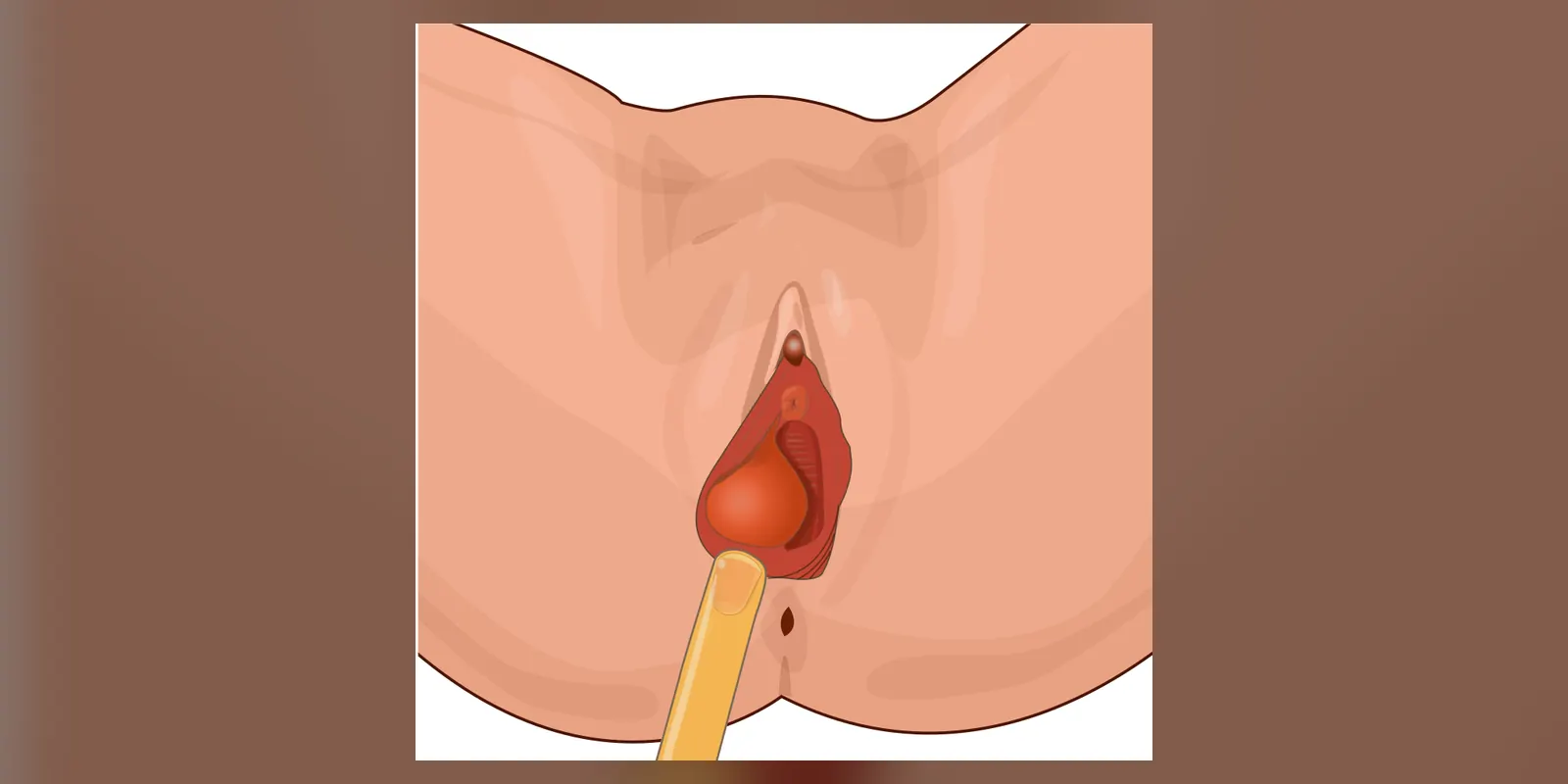
- Genital ulcers: painful and may scar.
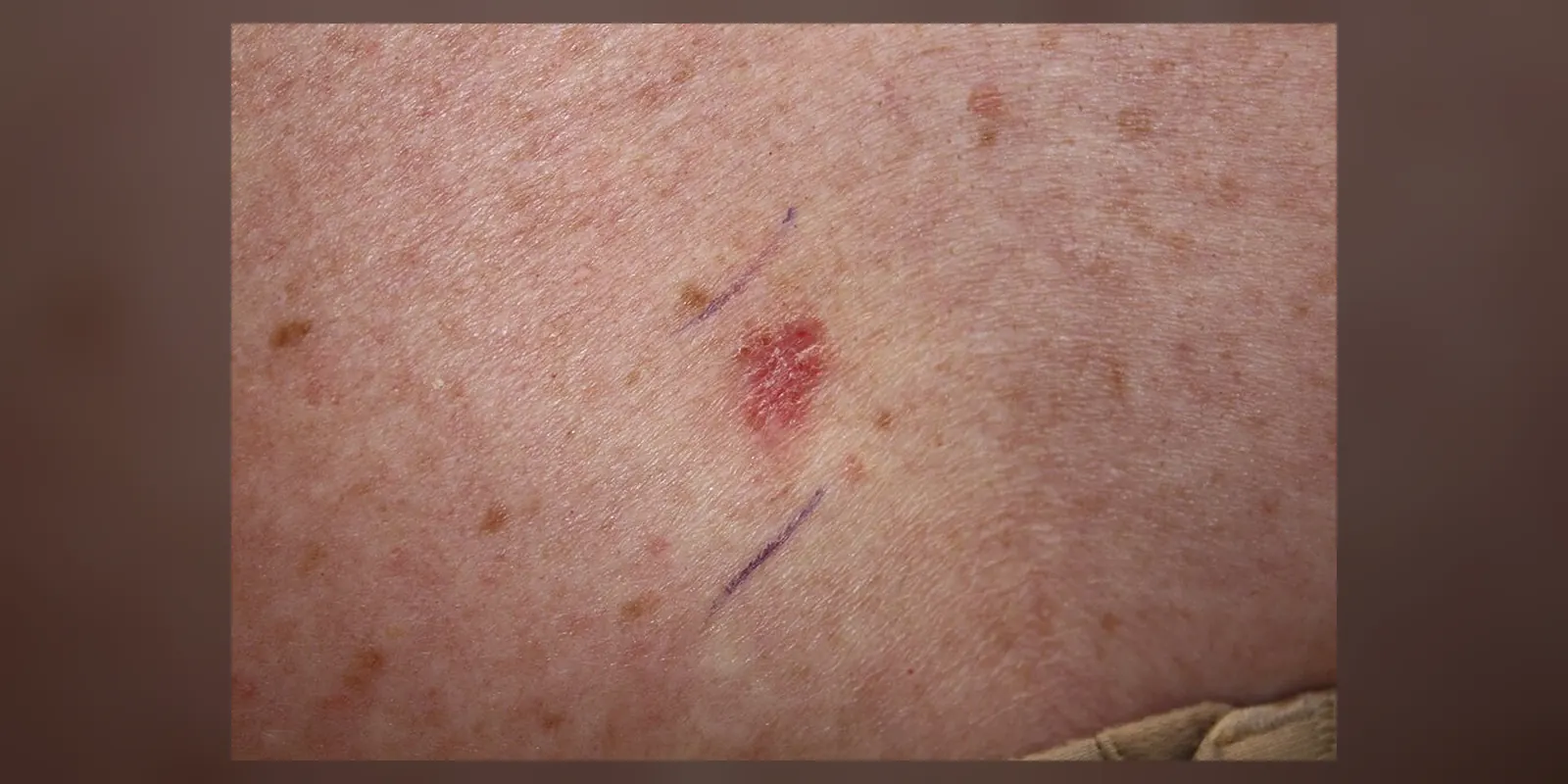
- Skin lesions: acne-like spots, red tender lumps (erythema nodosum) and pathergy.
- Eye inflammation (uveitis): inflammation inside the eye, causing pain, redness, blurred vision and floaters; can cause blindness if untreated.
- Joint pain from inflammation.
- Blood clots from vein inflammation.
- Neurological symptoms from inflammation in the brain.
- Gut ulcers causing abdominal pain and diarrhoea.
How treatment acts on the mechanism
Colchicine reduces neutrophil activity, helping skin, mouth, genital and joint symptoms. Apremilast reduces inflammatory signalling and helps mouth ulcers. Steroids rapidly suppress inflammation. Immunosuppressants (azathioprine, ciclosporin) and biologics (anti-TNF agents such as infliximab and adalimumab, or interferon alpha) control severe disease, especially eye, neurological and vascular involvement.
Types
Behçet's disease can be described by main organ involvement:
- Mucocutaneous: mouth, genital and skin
- Ocular: eye inflammation
- Vascular: blood clots and aneurysms
- Neuro-Behçet's: brain and nervous system
- Gastrointestinal: gut ulcers
- Articular: joint inflammation
Signs and symptoms
- Recurrent painful mouth ulcers
- Painful genital ulcers
- Red, painful eyes, blurred vision, light sensitivity, floaters
- Acne-like spots, painful red lumps on the legs
- Joint pain and swelling, often knees and ankles
- Leg swelling from blood clots
- Headaches, confusion, weakness or problems with balance
- Abdominal pain, diarrhoea and bleeding
- Tiredness
How it is diagnosed
There is no single test. Diagnosis is based on symptoms and examination, using criteria such as recurrent mouth ulcers plus other features.
- Pathergy test: a small skin prick to see if a bump develops
- Eye examination by an ophthalmologist
- Blood tests to exclude other conditions; HLA-B51 testing may support diagnosis
- Imaging for blood vessel, brain or gut involvement
- Endoscopy for gut symptoms
Possible complications
- Blindness from uveitis
- Blood clots and aneurysms, which can rupture
- Stroke and brain damage
- Gut perforation and bleeding
- Scarring from genital ulcers
Goals of treatment
Treatment aims to control symptoms, prevent flares and protect the eyes, brain, blood vessels and gut from permanent damage.
Medicines
- Topical treatments: steroid mouthwashes, creams or gels for ulcers
- Colchicine for mucocutaneous and joint symptoms
- Apremilast for mouth ulcers
- Corticosteroids for flares
- Azathioprine for eye and other organ involvement
- Anti-TNF biologics for severe or resistant eye, neurological or vascular disease
- Interferon alpha in some cases
- Anticoagulants for venous clots, used carefully because of aneurysm risk
Other treatments
- Regular eye checks
- Surgery for aneurysms or gut complications
- Support from specialist centres
Living with it and prevention
- Attend regular appointments, especially eye checks
- Take medicines as prescribed
- Report new symptoms promptly, particularly eye or neurological symptoms
- Keep good oral hygiene
- Avoid smoking
Monitoring and follow-up
Regular reviews include eye examinations and monitoring of medicines with blood tests. People with organ involvement need specialist follow-up.
Outlook
Behçet's disease is usually long-term, with flares and remissions. Many people's symptoms become milder over time. Serious organ involvement can be controlled with modern treatments.
Special considerations
- Young men: often have more severe disease
- Pregnancy: disease may improve or worsen; medicines need review
- Children: rare but can occur