

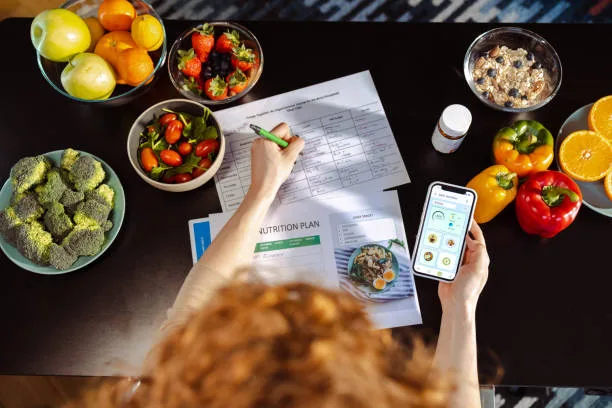
With a little planning and some smart shopping, you can create a meal plan that’s both healthy and budget-friendly. No more excuses, no more wasted money, and definitely no more unhealthy meals because "it's cheaper." This guide is here to show you how to maximize nutrition without stretching your wallet. Ready to save money and eat better? Let’s get started!
Step 1: Start with a Budget

The first step to eating healthy on a budget is knowing how much you’re working with. Whether it’s $30 or $100 a week, your budget sets the foundation for your meal plan.
- Break it down: Allocate portions of your budget for proteins, grains, vegetables, fruits, and snacks.
- Example: If you have $50, spend $15 on proteins, $10 on grains, $15 on produce, and save the rest for other essentials.
Tip: Stick to your budget by shopping with a calculator or using apps that track spending.
Step 2: Focus on Affordable, Nutritious Staples
Healthy eating doesn’t mean buying expensive superfoods. Affordable staples can provide the nutrients you need.
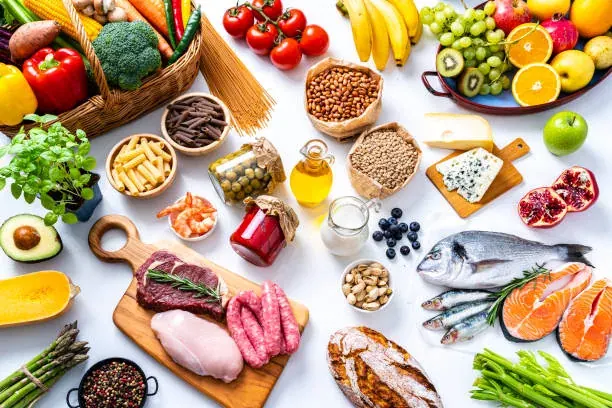
- Grains: Oats, brown rice, quinoa, and whole-grain bread.
- Proteins: Eggs, lentils, canned tuna, tofu, and chicken thighs.
- Vegetables: Frozen spinach, carrots, cabbage, and seasonal fresh produce.
- Fruits: Bananas, apples, oranges, and frozen berries.
Pro Tip: Build meals around these staples to keep costs low and nutrition high. For example, a lentil soup with brown rice is cheap, filling, and nutrient-dense.
Step 3: Plan Your Meals in Advance
Meal planning is your secret weapon for saving time and money.
- Choose Recipes: Pick 4–5 meals for the week that share ingredients to reduce waste.
- Write a Grocery List: List only what you need and stick to it.
- Batch Cook: Make large portions of meals like soups, stews, or casseroles to eat throughout the week.
Example Meal Plan:
- Breakfast: Overnight oats with bananas and peanut butter.
- Lunch: Quinoa salad with black beans, corn, and avocado.
- Dinner: Stir-fry with tofu, frozen veggies, and brown rice.
- Snacks: Homemade trail mix or yogurt with frozen berries.
Step 4: Shop Smart

Navigating the grocery store wisely can save you big bucks.
- Stick to Your List: Avoid impulse purchases by following your meal plan.
- Shop Sales: Look for discounts on staples like grains, canned goods, or frozen foods.
- Buy Generic: Store brands often offer the same quality as name brands for less.
- Check Unit Prices: Compare cost per ounce or gram to find the best deal.
Pro Tip: Shop with cash to avoid overspending.
Step 5: Cook at Home

Eating out is convenient, but it’s expensive and often less healthy. Cooking at home puts you in control of your ingredients and your budget.
- Start Simple: Focus on easy recipes like pasta dishes, stir-fries, and one-pot meals.
- Use Spices: Basic spices like garlic powder, paprika, and oregano can transform simple ingredients into flavorful dishes.
- Repurpose Leftovers: Turn last night’s roast chicken into today’s chicken salad or soup.
Step 6: Reduce Food Waste

Throwing away food is like throwing away money. Here’s how to cut down on waste:
Freeze Extras: Cooked grains, soups, and chopped veggies can all be frozen for later.
Repurpose Scraps: Use vegetable peels to make homemade broth.
First In, First Out: Use older ingredients before newer ones to avoid spoilage.
Step 7: Opt for Simple Snacks
Healthy snacks don’t have to be pricey. Skip the fancy protein bars and make your own.
- DIY Trail Mix: Combine nuts, seeds, and dried fruit.
- Homemade Energy Bites: Blend oats, peanut butter, and honey with a sprinkle of chocolate chips.
- Popcorn: Air-popped popcorn is a cheap and healthy alternative to chips.
Step 8: Be Flexible and Creative
Sometimes the store doesn’t have what you need, or prices are higher than expected. Be prepared to adjust.
- If broccoli is too expensive, opt for frozen spinach.
- If chicken is out of your budget, use lentils or eggs as your protein source.
Step 9: Monitor Your Progress
Keep track of your spending and eating habits. Evaluate what’s working and adjust your plan as needed.
- Track Costs: Save receipts to see where you might cut back.
- Track Meals: Note which meals you enjoyed most and repeat them.
Final Thoughts
Healthy eating on a budget is all about strategy. By planning your meals, shopping smart, and focusing on affordable staples, you can save money and improve your health. It’s not about being perfect, it’s about making better choices, one meal at a time.




Comments (0)
Be the first to comment on this article!
Share your thoughts and start the discussion.