


1. Oranges
Oranges are one of the most widely recognized fruits for boosting the immune system, and for good reason. They are an excellent source of vitamin C, which is a powerful antioxidant that helps protect the body from free radical damage. Vitamin C plays a crucial role in the production and function of white blood cells, which are essential for fighting off infections.
Vitamin C and Immunity
The body doesn’t produce vitamin C on its own, so it’s essential to consume enough of this nutrient through your diet. Vitamin C enhances the immune system’s ability to detect and respond to pathogens such as bacteria and viruses. Regular intake of vitamin C can also help reduce the duration and severity of colds, making oranges an ideal fruit to include in your diet, especially during the colder months.
In addition to vitamin C, oranges are rich in other essential nutrients like fiber, potassium, and folate. These nutrients not only support immune health but also contribute to heart health, digestive function, and overall well-being.
How to Include Oranges in Your Diet
Oranges are incredibly versatile and can be enjoyed in various forms. You can eat them fresh, make fresh orange juice, or add them to salads, smoothies, or desserts. Oranges also pair well with other immune-boosting ingredients like ginger, honey, and spinach. The bright, tangy flavor makes them a refreshing addition to any meal, ensuring easy incorporation into your daily diet.
2. Strawberries
Strawberries are another fruit that can help boost your immune system. Packed with vitamin C, antioxidants, and fiber, strawberries are a delicious and nutrient-dense way to support immune function. Like oranges, strawberries are rich in flavonoids, which are plant compounds that have been shown to have anti-inflammatory and antioxidant properties.

The Role of Vitamin C in Strawberries
Strawberries are among the fruits highest in vitamin C. One serving of strawberries (about eight medium-sized berries) can provide around 100% of your daily recommended intake of vitamin C. This potent vitamin helps strengthen the immune system by supporting the production of white blood cells, which are responsible for detecting and fighting infections.
In addition to vitamin C, strawberries contain ellagic acid, a type of antioxidant that helps neutralize harmful free radicals in the body. Free radicals are molecules that can cause oxidative stress and damage to cells, tissues, and organs. By combating free radicals, antioxidants in strawberries help protect the immune system and support overall health.
Additional Benefits of Strawberries
In addition to their immune-boosting properties, strawberries are high in fiber, which promotes healthy digestion and helps regulate blood sugar levels. They are also rich in manganese, a mineral that supports bone health and helps the body metabolize essential nutrients.
Strawberries are also low in calories, making them an excellent option for those looking to maintain a healthy weight. The natural sweetness of strawberries makes them a great addition to smoothies, yogurt, salads, or simply as a snack.
How to Include Strawberries in Your Diet
You can enjoy strawberries in many ways. Eat them fresh, toss them into salads, add them to smoothies, or use them as a topping for yogurt or oatmeal. If you're feeling creative, you can make strawberry jam or incorporate them into healthy desserts like fruit parfaits or sorbets.
3. Kiwi
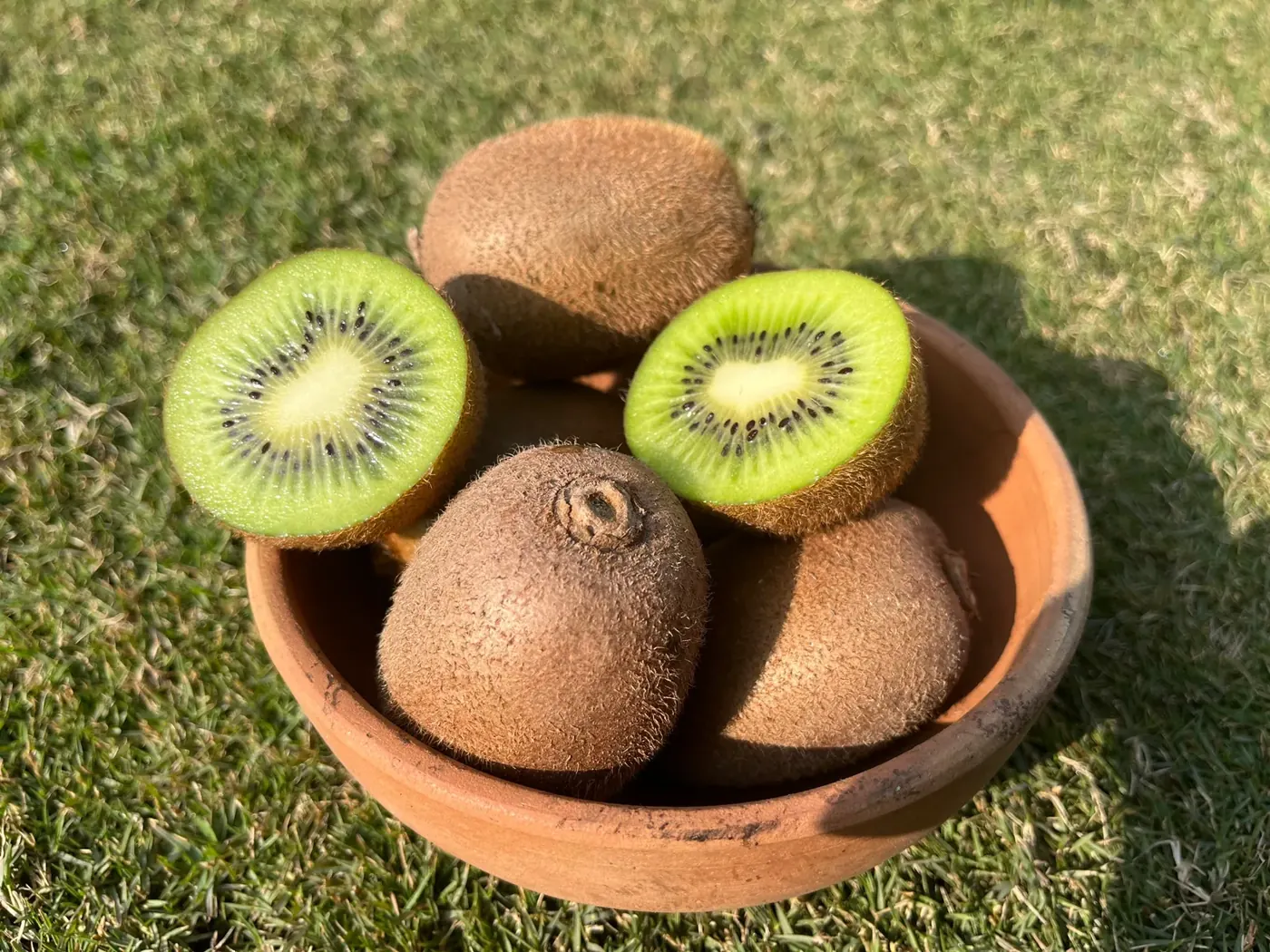
Kiwi is a small but mighty fruit when it comes to boosting immunity. Known for its vibrant green color and unique flavor, kiwi is loaded with essential vitamins and minerals that support the immune system. Like oranges and strawberries, kiwi is an excellent source of vitamin C, but it also contains other important nutrients such as vitamin E, folate, and fiber.
Vitamin C and Immune Health in Kiwi
Kiwi is one of the richest sources of vitamin C, surpassing even oranges in vitamin C content. Just one medium-sized kiwi contains more than 100% of your daily recommended intake of vitamin C. This vitamin is crucial for the immune system, as it helps stimulate the production of white blood cells and antibodies, which are needed to fight off infections and diseases.
In addition to vitamin C, kiwi is rich in antioxidants, particularly vitamin E, which helps protect cells from oxidative stress and supports the immune system’s ability to respond to harmful invaders. The combination of vitamin C and vitamin E in kiwi makes it an excellent fruit for boosting immune function and protecting against illness.
Other Health Benefits of Kiwi
Kiwi is also high in fiber, which promotes digestive health and helps maintain a healthy gut. A healthy gut microbiome is essential for immune function, as the gut is home to a large portion of the body's immune cells. The fiber in kiwi helps regulate digestion, reduce inflammation, and improve the balance of beneficial bacteria in the gut.
Moreover, kiwi is a good source of potassium, which helps regulate blood pressure and support heart health. The high fiber and antioxidant content in kiwi also make it beneficial for skin health, as antioxidants help protect the skin from premature aging and damage from the sun.
How to Include Kiwi in Your Diet
Kiwi is easy to incorporate into your diet. You can eat it on its own, add it to fruit salads, or blend it into smoothies. For a refreshing treat, try freezing kiwi slices and using them as a cool addition to your drinks. The natural sweetness of kiwi makes it a great option for satisfying your sweet tooth while boosting your immunity.
4. Papaya
Papaya is another tropical fruit that can give your immune system a boost. Rich in vitamins, minerals, and antioxidants, papaya supports immune function in several ways. This fruit is particularly high in vitamin C, vitamin A (in the form of beta-carotene), and folate, all of which are essential for maintaining a healthy immune system.

Vitamin C and Immunity in Papaya
Like the other fruits mentioned, papaya is an excellent source of vitamin C. One cup of papaya contains more than 100% of your daily recommended intake of vitamin C. This vitamin is essential for maintaining the integrity of the skin, mucous membranes, and other tissues that act as barriers to infection. By enhancing the function of white blood cells, vitamin C helps the immune system combat infections and pathogens. Papaya also contains beta-carotene, a powerful antioxidant that the body converts into vitamin A. Vitamin A plays a critical role in supporting immune function by maintaining the health of the skin and mucous membranes, which are the first line of defense against harmful invaders.
Additional Benefits of Papaya
Papaya is rich in enzymes, particularly papain, which aids in digestion and helps reduce inflammation in the body. This digestive enzyme can also promote gut health, which is essential for optimal immune function. A healthy gut microbiome is crucial for the production of immune cells, making papaya an ideal food for supporting overall immune health. Moreover, papaya is a good source of folate, a B-vitamin that supports cell growth and function. Folate is especially important for pregnant women, as it helps prevent birth defects and supports the development of a healthy fetus.
How to Include Papaya in Your Diet
Papaya can be eaten fresh, either on its own or in a fruit salad. You can also blend it into smoothies or use it as a topping for yogurt or oatmeal. For a unique twist, try adding papaya to savory dishes like salsas or salads. The sweet, tropical flavor of papaya makes it a refreshing addition to any meal.
5. Pomegranate
Pomegranate is often referred to as a "superfood" due to its impressive nutritional profile and health benefits. Packed with antioxidants, vitamins, and minerals, pomegranate is an excellent fruit for supporting immune health. The antioxidants in pomegranate, particularly polyphenols, help fight inflammation and protect the body from oxidative stress.
Antioxidants in Pomegranate for Immune Support
Pomegranates are rich in polyphenols, which are plant compounds that have powerful antioxidant properties. These antioxidants help neutralize free radicals, which can cause oxidative damage to cells and tissues. By protecting the body from free radical damage, antioxidants in pomegranate help maintain immune function and overall health.
In addition to polyphenols, pomegranates are high in vitamin C, which supports the immune system by stimulating the production of white blood cells. This combination of antioxidants and vitamin C makes pomegranate an excellent choice for boosting immunity and fighting off infections.

Other Health Benefits of Pomegranate
Pomegranates are also a good source of fiber, which promotes digestive health and helps regulate blood sugar levels. The fiber in pomegranate helps improve gut health, which is essential for optimal immune function. Moreover, pomegranates are rich in vitamin K, which supports bone health, and potassium, which helps regulate blood pressure.
How to Include Pomegranate in Your Diet
You can enjoy pomegranate in a variety of ways. Eat the seeds as a snack, add them to salads, or sprinkle them on top of yogurt or oatmeal. Pomegranate juice is also a great option, though it’s best to choose 100% pure pomegranate juice without added sugars. The sweet-tart flavor of pomegranate makes it a delicious and nutritious addition to any meal.
Conclusion
Incorporating a variety of nutrient-rich fruits into your diet is an easy and effective way to boost your immune system and support overall health. Oranges, strawberries, kiwi, papaya, and pomegranate are all packed with essential vitamins, minerals, and antioxidants that strengthen the immune system and protect the body from infections. By making these fruits a regular part of your meals.




Comments (0)
Be the first to comment on this article!
Share your thoughts and start the discussion.