
Medical emergency? Call your local emergency number
First aid guides

Menu

Understanding Portion Control: How Much Should You Really Eat?

Understanding Portion Control: How Much Should You Really Eat? Nutrition 4 min read
Not yet medically reviewed. This page has not been checked by a qualified medical reviewer. Use it for general education only and confirm anything important with a healthcare professional. Written by GeoMed Editorial Team. Last updated 24 October 2026.

Ever feel like you’re doing everything right, choosing healthy foods, exercising regularly, yet still not seeing the results you want? The missing link might be portion control. Research shows that portion sizes have drastically increased over the past few decades, leading many of us to consume more calories than we realize.

Here’s the kicker: eating too much, even of healthy foods, can contribute to weight gain, sluggishness, and other health issues. Portion control is less about restriction and more about balance. In this article, we’ll demystify portion control and give you actionable tips to eat the right amount for your body.

1. What Is Portion Control?

Portion control is the practice of eating the right amount of food to meet your nutritional needs without overeating. It’s not the same as a serving size, which is a standardized amount often listed on food labels. Your portion might be bigger or smaller, depending on your needs.

  • Example: A serving of rice is about ½ cup, but your portion could be 1 cup if you’re more active.
  • The goal: Listen to your body and understand what it truly needs.

2. Why Is Portion Control Important?

Understanding Portion Control: How Much Should You Really Eat?

Portion control is about balance, not deprivation. It helps you:

Maintain a Healthy Weight: Prevent overeating and unnecessary calorie intake.

  • Improve Digestion: Eating the right amount prevents your stomach from feeling overly full or bloated.
  • Boost Energy Levels: Overeating can leave you sluggish, while appropriate portions keep you energized.

Quick Stat: Studies show that people tend to eat 30% more when presented with larger portions, regardless of hunger.

3. Visual Portion Guides: No Measuring Cups Needed

Forget complicated scales or measuring tools, your hands can guide you.

  • Proteins (Meat, Fish, Beans): The size of your palm.
  • Carbohydrates (Rice, Pasta, Potatoes): One cupped handful.
  • Vegetables: Two cupped handfuls.
  • Fats (Butter, Oils, Nuts): The size of your thumb.

Pro Tip: Use smaller plates to make portions look more satisfying and reduce the temptation to over-serve.

4. Tips for Practicing Portion Control
Understanding Portion Control: How Much Should You Really Eat?

A. Start with Smaller Portions

You can always go back for seconds if needed. Start small and assess your hunger after finishing your first portion.

B. Eat Mindfully

Avoid distractions like TV or scrolling on your phone while eating. Focus on your food, chew slowly, and savor each bite.

C. Read Food Labels

Pay attention to serving sizes on food packaging. Compare this with the amount you typically eat to gauge your portions.

D. Pre-Portion Snacks

Divide snacks like nuts or chips into small bags instead of eating directly from the package.

5. How to Control Portions When Eating Out

Understanding Portion Control: How Much Should You Really Eat?

Restaurant portions are notoriously oversized. Here’s how to stay in control:

  • Share Your Meal: Split with a friend or save half for later.
  • Order Smart: Choose appetizers or side dishes instead of full entrees.
  • Watch the Extras: Avoid overloading on bread, butter, or sauces.

6. Understanding Your Body’s Hunger Cues

One of the best ways to master portion control is to listen to your body.

  • Hunger Scale: Rate your hunger on a scale of 1 to 10 before eating. Aim to eat when you're at a 3 or 4 (mild hunger) and stop at a 7 (comfortably full).
  • Pause Mid-Meal: Check in with yourself halfway through to see if you’re still hungry.

7. Common Portion Pitfalls and How to Avoid Them

  • Pitfall: Eating from the package.
  • Solution: Always serve food on a plate or bowl to control the amount.
  • Pitfall: Large drink sizes.
  • Solution: Opt for water, unsweetened tea, or smaller beverage sizes.
  • Pitfall: Buffet temptation.

Solution: Fill half your plate with veggies before adding anything else.

8. Balanced Portion Sizes for a Day

Understanding Portion Control: How Much Should You Really Eat?

Here’s an example of a day with balanced portions:

  • Breakfast: 2 scrambled eggs (palm size), 1 slice of whole-grain toast (handful), and ½ avocado (thumb size).
  • Snack: 1 small apple and a handful of almonds.
  • Lunch: Grilled chicken (palm size), quinoa (handful), and a mixed salad (two handfuls).
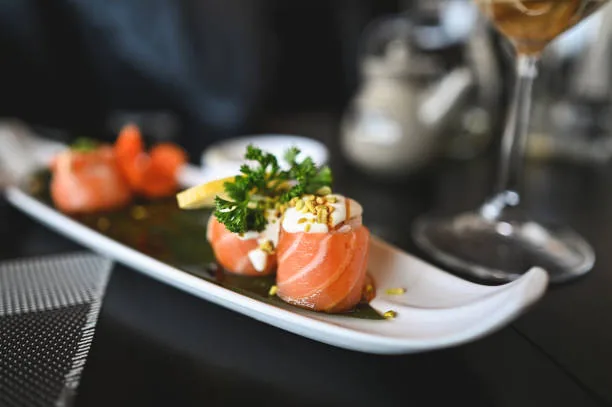
  • Dinner: Salmon (palm size), roasted sweet potatoes (handful), and steamed broccoli (two handfuls).

Final Thoughts

Portion control isn’t about dieting or restriction, it’s about eating just enough to fuel your body without overloading it. By learning to recognize appropriate portions and listening to your body’s signals, you can enjoy your meals guilt-free while staying healthy.
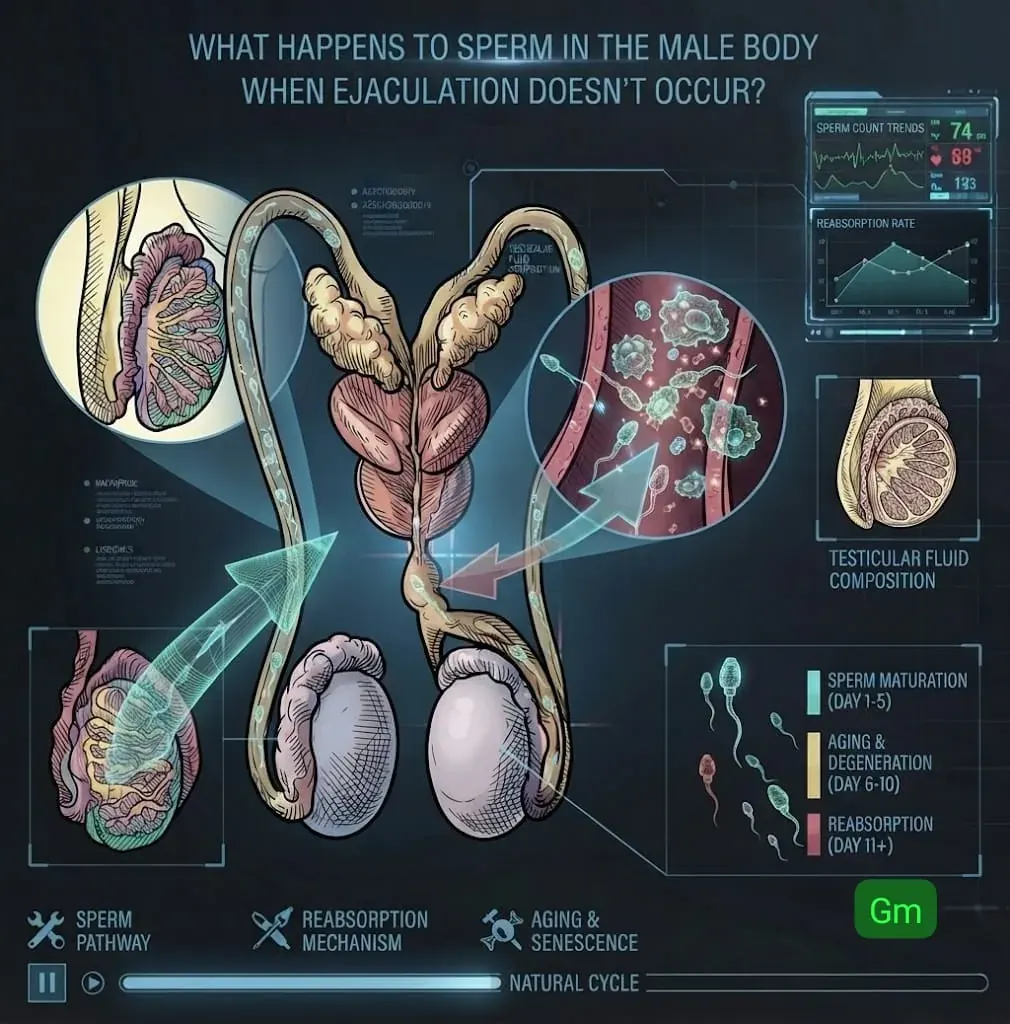
Image credits

  • Heading image: GeoMed

Comments (0)

Be the first to comment on this article!

Share your thoughts and start the discussion.

Leave a comment

Comments are public and reviewed by a moderator before they appear. Please don’t share personal medical details, as we can’t give individual medical advice in comments. Comments are not reviewed medical content.

By commenting you agree to our terms of use and comment policy. See our privacy policy for how we handle your data.

More articles

View all
What Happens to Sperm in the Male Body When Ejaculation Doesn’t Occur? Sexual & reproductive health

What Happens to Sperm in the Male Body When Ejaculation Doesn’t Occur?

Every day, the male body produces millions of sperm. Millions! But what happens when you don’t release them through ejaculation? Many men assume sperm just “sits there” or loses potency. The truth is far more fascinating. Your body is smarter than you think. It manages sperm, recycles it, and keeps your reproductive system running smoothly even during long periods of abstinence. By the end of this article, you’ll understand exactly how your body handles unreleased sperm, what it means for your health, and why this natural process is completely safe.

2 min read
Natural Penis Growth What Most Men Never Learn Sexual & reproductive health

Natural Penis Growth What Most Men Never Learn

More than 60 percent of men report concerns or questions about their penis size at some point in their lives. That number is huge. It tells me one thing very clearly. Curiosity about natural penis growth is normal. Most information available is vague or exaggerated. The truth is simple. Penis growth is guided by biology. Quietly. Gradually. Predictably. Understanding what drives growth lets you stop chasing myths and start supporting your body.

3 min read
How Long Should Sex Last in Bed? The Truth Nobody Talks About Sexual & reproductive health

How Long Should Sex Last in Bed? The Truth Nobody Talks About

“Most men last less than seven minutes during intercourse.” That number might shock you but here’s the real kicker: satisfaction doesn’t follow a stopwatch. One quick statistic doesn’t define pleasure. Connection, control, and technique do. I’ve worked with couples and individuals who stress over duration and it’s usually unnecessary. But the mistakes people make? Those are real and they cost intimacy.

3 min read
How Soldiers Fall Asleep Fast Even in Chaos and How You Can Too Healthy living & wellness

How Soldiers Fall Asleep Fast Even in Chaos and How You Can Too

96 percent success rate. That's the number that made this military sleep technique go viral. But here's what most people don't know: this method wasn't designed for your cozy bedroom with blackout curtains and white noise machines. It was developed for fighter pilots who needed to sleep sitting upright, surrounded by engine roar and the stress of imminent combat missions. I've spent years studying sleep medicine, and I'll tell you straight most sleep advice is garbage. We're drowning in melatonin gummies, expensive mattresses, and apps that promise to "hack" your circadian rhythm. Meanwhile, the U.S. military figured out decades ago that falling asleep isn't about perfect conditions. It's about training your nervous system to shut down on command, even when everything around you is screaming danger.

8 min read